Montero's Curveball Adjustment Steadies Tigers Rotation as Lee Powers Past Cubs
By Justin Erickson ·
Detroit's mid-rotation crisis finds relief in a pitcher who retooled mid-start, turning a shaky opening into a quality start that unblocked a pennant race.
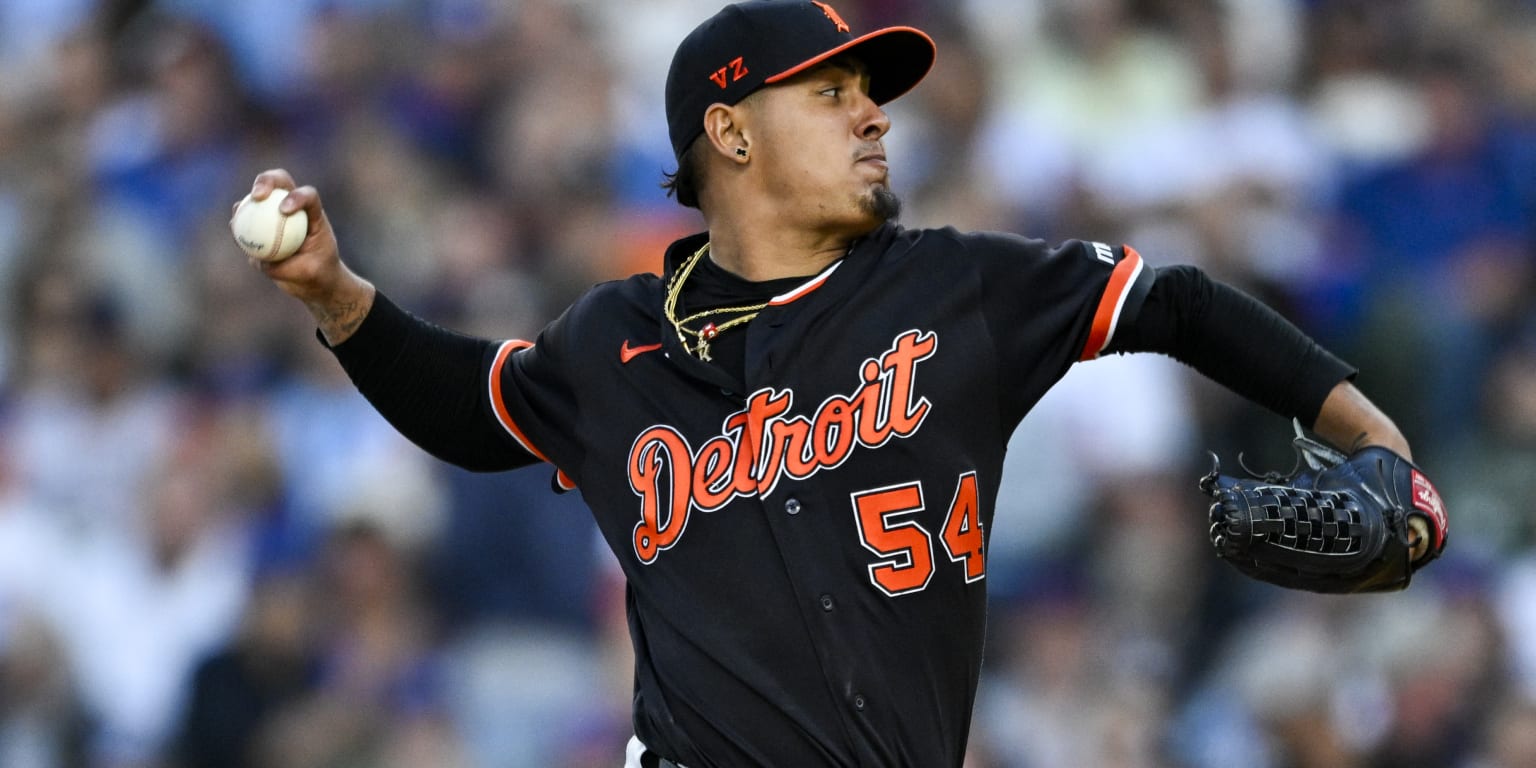
Keider Montero's return to the Tigers rotation Wednesday delivered precisely what Detroit needed: a pitcher who could absorb innings when the starting staff was hemorrhaging depth. Montero pitched 5 1/3 innings of one-run ball against the Cubs, striking out eight while allowing just three hits after the first inning. The Tigers won 5-1, extending their post-All-Star break run to four wins in six games and trimming their AL Wild Card deficit to 4.5 games.
What made Wednesday's outing tactically significant was Montero's mid-game pivot. After Seiya Suzuki homered on Montero's 11th pitch, Montero scrapped the fastball-heavy approach and leaned into curveballs and sliders for the remainder of his appearance. That adjustment matters because it signals adaptability—a trait the Tigers' rotation desperately lacked before yesterday. Casey Mize and Jack Flaherty are both sidelined, and the Cubs' Colin Rea was the victim of Montero's recalibration: no other Tigers starter had reached the fifth inning since Tarik Skubal's outing last Saturday. Montero brought that functionality back and lowered his ERA to 3.14 in the process.
Hao-Yu Lee's go-ahead three-run shot in the fourth broke the game open and proved the real turning point, but it arrived because Rea was worn down by the Tigers' patience. Lee fell behind 3-0 before punishing a middle-middle fastball to left. His recent offensive surge—.314 average, 27-for-86 with four doubles and three homers since June 1—has now transcended a fill-in role into legitimate lineup permanence. Torres returned earlier this week from injury, but Lee's performance earned him a start anyway. That's the clearest organizational vote of confidence available.
From a betting perspective, Montero's 5 1/3 innings and eight strikeouts matter less as a single-game outcome and more as a reset signal. The Tigers' rotation-depth crisis was real enough to warp moneyline and spread decisions: games where you're asking a back-end starter to navigate six innings against playoff-contending opponents carry measurable home-run and offensive volatility risk. Montero's return to full availability—he last pitched June 26, meaning this was his first start in 26 days—reduces that dependency on overworked arms. His curveball-heavy arsenal also carries strikeout upside against the weaker hitting zones, particularly later in the Cubs and White Sox lineups Detroit will face over the next week. The Tigers' rotation suddenly has breathing room again.