Lee's Ninth-Inning Double Lifts Tigers Past Angels in Improbable Comeback
By Ty Whitney ·
Detroit's last-gasp heroics against Anaheim expose how clutch situational hitting can reshape run-line and total expectations in a single plate appearance.
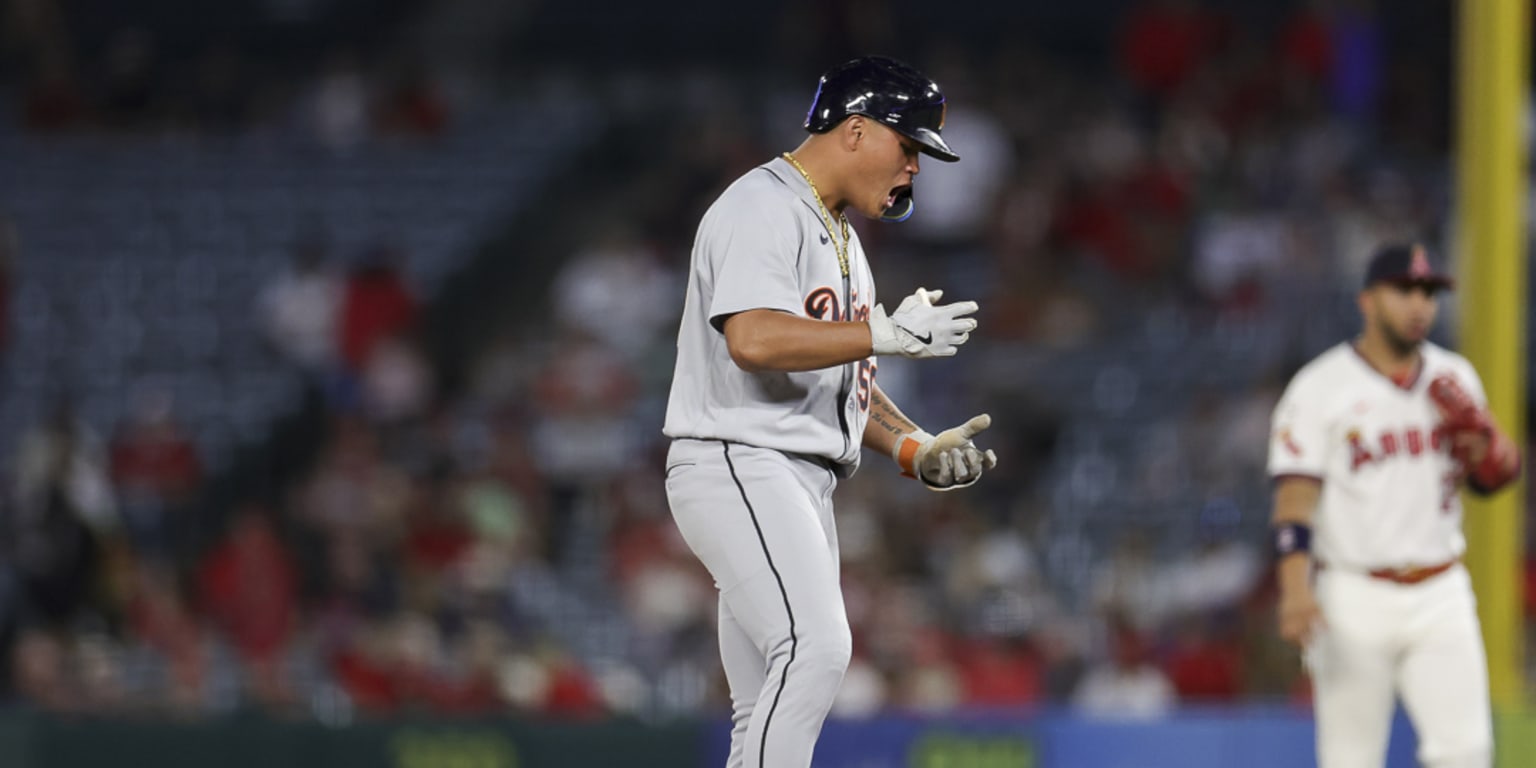
The Tigers scraped together a 2-1 victory over the Angels on Thursday night in Anaheim, but not before staring down shutout defeat with one strike remaining. Hao-Yu Lee delivered a two-run double into right-center field with the Tigers on the edge of elimination, scoring Dillon Dingler and Riley Greene to break a scoreless deadlock. Keider Montero sealed the result with 3⅓ scoreless relief innings, including a clean ninth.
The sequence that preceded Lee's heroics matters for understanding how single moments reshape game narratives. Dingler led off the ninth inning by taking a hit-by-pitch on a 0-2 count—a forced walk, not aggressive offense. Spencer Torkelson flew out. Greene drew a secondary walk to manufacture baserunners. The Tigers then executed a double-steal attempt with Kerry Carpenter at the plate, a tactical desperation move that produced a pop-out to left field instead of advancing runners. That brought Lee to the plate with the game effectively decided: two outs, down to their final strike, runners back at first and second. One swing reversed the entire outcome.
Troy Melton, the Angels' right-hander and a local product just 15 minutes from Angel Stadium, had been efficient for 5⅔ innings, allowing only one run on nine strikeouts and four walks. His ERA-adjusted performance suggested Angels' offense had been held at bay by competent pitching. Yet in a single plate appearance—Lee fouling off pitches before finding the gap—the margin inverted. The Tigers went from getting blanked to stealing a road win.
For betting purposes, this outcome compounds the challenge of late-game variance pricing. Run-line markets price in the assumption that come-from-behind wins at the ninth-inning cliff edge occur at their historical frequency (roughly 2-3% of games with two outs and down to their final strike). When a team converts one of those scenarios, bettors who faded the favorite's run-line because they believed the Angels would hold are correct in their reasoning—just unlucky in execution. The Tigers' moneyline bettors who held tight captured the full volatility swing. For future Tigers-Angels totals and run-lines, the recency of this specific win may inflate expectations of Detroit comeback capability; the market may briefly price the Tigers' "clutch gene" higher than the data supports. Conversely, Angels backers should not overcorrect by assuming Melton's near-perfect outing signals a pitching improvement that justifies laying run-lines; one shutout bid ended in a loss, which is noise, not trend.