MLB · milestone
Nationals Turn Patience Into Chaos: Six-Walk First Inning Breaks Team Record
Washington's disciplined approach against Bieber forced a historic first inning that exposed the Blue Jays' lack of command depth and carries actionable implications for how to attack Toronto's bullpen usage patterns.
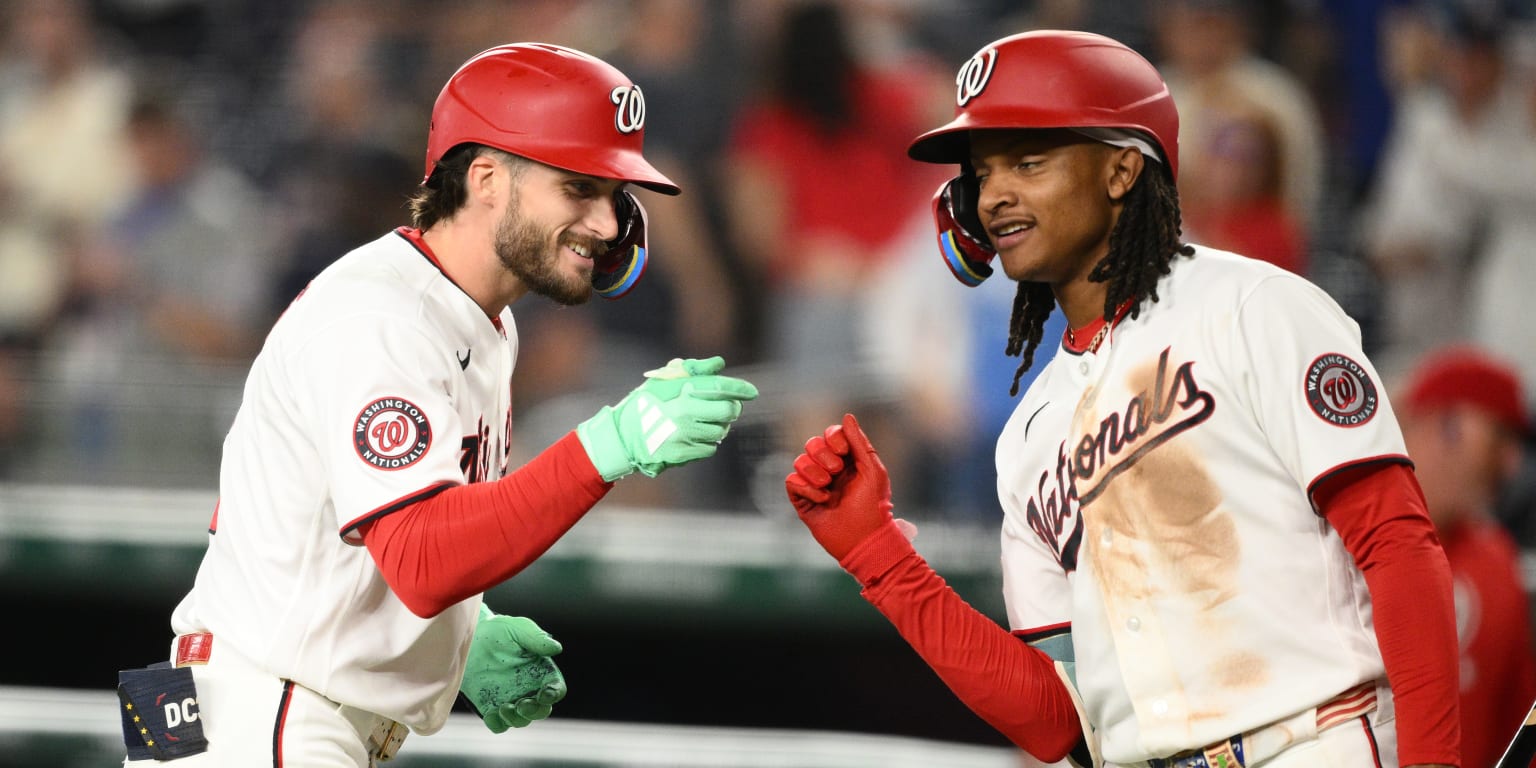
The Nationals dismantled Shane Bieber in the first inning on Tuesday, drawing six walks and scoring four runs en route to an 8-6 victory over Toronto. Washington set a franchise record (dating to 2005) by drawing that many free passes in a single frame, retiring Bieber after just 2/3 of an inning. The Blue Jays' starter threw 27 pitches in that opening stanza—the highest pitch count by any pitcher in any inning since Dallas Keuchel on May 2, 2016, with Houston—signaling not a fluke meltdown but a structural inability to execute below the zone.
The walk barrage mattered not because it was flashy but because it revealed a concrete weakness: Bieber's control abandoned him early, and Toronto lacked the bullpen elasticity to absorb the early exit without hemorrhaging leverage. When a starter cannot pitch past two-thirds of an inning in Game 1, the entire relief architecture gets upended. The Nationals' plate discipline—the willingness to let Bieber's fastball live slightly above or off the corner—turned the at-bat count into a resource drain that forced Toronto into a depleted bullpen scenario by the middle innings.
What followed was almost secondary: Luis García Jr. hit his 22nd home run of the season in the fourth inning, and Dylan Crews followed with a back-to-back in the next at-bat. That was Washington's fourth such consecutive-homer sequence of the year, but the true damage was already done. The Nationals didn't outsluggish Toronto; they made Toronto's starter work so inefficiently that the Blue Jays' relief corps had no oxygen left to stabilize the game.
For prop bettors, the mechanism here is durable: teams that draw four-plus walks in the first inning force bullpen usage that tracks into middle-inning scoring patterns. Washington's first-inning plate discipline didn't just produce four runs—it created a scenario where Toronto's sixth, seventh, and eighth inning relievers would face elevated leverage without rest. If you're looking at Nationals games where they face a starting pitcher showing similar early-inning command volatility (walks in the first two frames, fastball missing), the over on team totals shifts meaningfully because the bullpen mismanagement cascades. This was not a 27-pitch aberration; it was a repeatable edge if the opposing starter is similarly prone to high early pitch counts and poor first-inning command.
MLB Intelligence — Baseball intelligence beyond the box score. Open MLB Intelligence →