MLB
Rojas' Hot Start Reshapes Mets Farm Outlook—and Future Lineup Depth Bets
The Mets' top prospect is validating the Clay Holmes trade in real time, posting elite offensive numbers that could accelerate his major-league timeline.
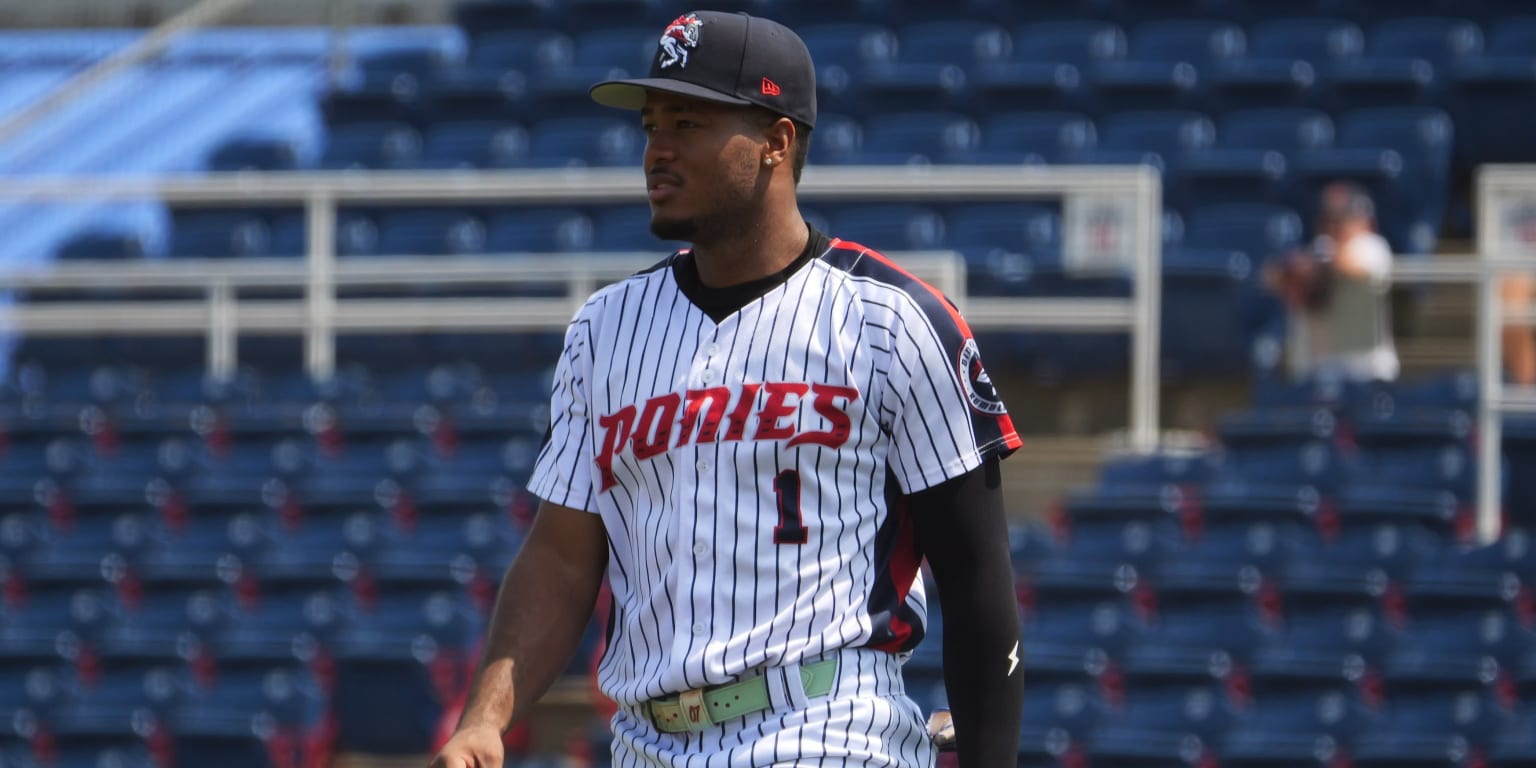
Jefferson Rojas arrived at Double-A Binghamton as the Mets' prized return for trading away closer Clay Holmes and outfielder Tyrone Taylor to the Cubs. In 11 games since the deadline deal, the 21-year-old shortstop has obliterated prospect baselines: .302/.360/.558 slash line, .918 OPS, six extra-base hits, 14 RBIs. On Tuesday, he went 3-for-5 with his 17th home run of the season, including a two-strike blast in the first inning that gave Binghamton an early lead. He added a clutch double in the ninth that tied the game before the team took the lead for a 4-3 win. This is not prospect noise—this is a player validating the organizational bet made on his ceiling.
The mechanics of Rojas' production carry real weight. His 11-game post-trade window shows discipline (.360 on-base percentage) paired with power efficiency (.558 slugging). That OPS figure sits well above the Double-A baseline for shortstops; the fact that he's generating it against established arms, not in a developmental league, matters. The Mets didn't trade a reliable closer for a lottery ticket—they traded for a player whose hit tool and approach appear major-league ready sooner than typical prospect timelines suggest. At MLB Pipeline's No. 76 prospect rank, Rojas was already on the radar; this 11-game window is accelerating the conversation.
For the Mets' organization, the implication is clear: the internal valuation of this trade has proven correct. They saw a player whose bat speed and zone discipline would translate immediately, rather than a multi-year development project. The trade compensation itself—a proven closer and a useful outfielder—signals that Mets brass had data points beyond the prospect rankings. If Rojas sustains this performance through the remainder of the minor-league season and enters 2027 as a top-100 prospect with Triple-A eligibility, his arrival timeline becomes a serious consideration for a Mets lineup that may need depth help by mid-season.
From a betting perspective, this performance impacts forward-looking Mets projections in two ways. First, any futures bets on Mets team totals for 2027 should account for potential lineup upgrades if Rojas reaches the majors earlier than consensus timelines predicted—adding a left-side infield bat with both on-base skills and power would shift team run projections upward. Second, the trade itself becomes a data point on Mets front-office competence. They traded Holmes, a high-leverage reliever, and were willing to pay to acquire a young shortstop with upside; that's organizational confidence that deserves respect when evaluating other Mets roster moves and deadline activity. The 11-game sample is too short to project major-league performance, but it's long enough to validate the trade thesis and reset timelines for minor-league prospect bettors tracking system depth.
MLB Intelligence — Baseball intelligence beyond the box score. Open MLB Intelligence →