MLB · transaction
Cubs Bet the Farm on October: What the Deadline Blitz Means for Their Pitching Edge
Chicago traded away elite prospect depth for three rentals plus control, signaling management confidence that their rotation can carry them through a compressed playoff window.
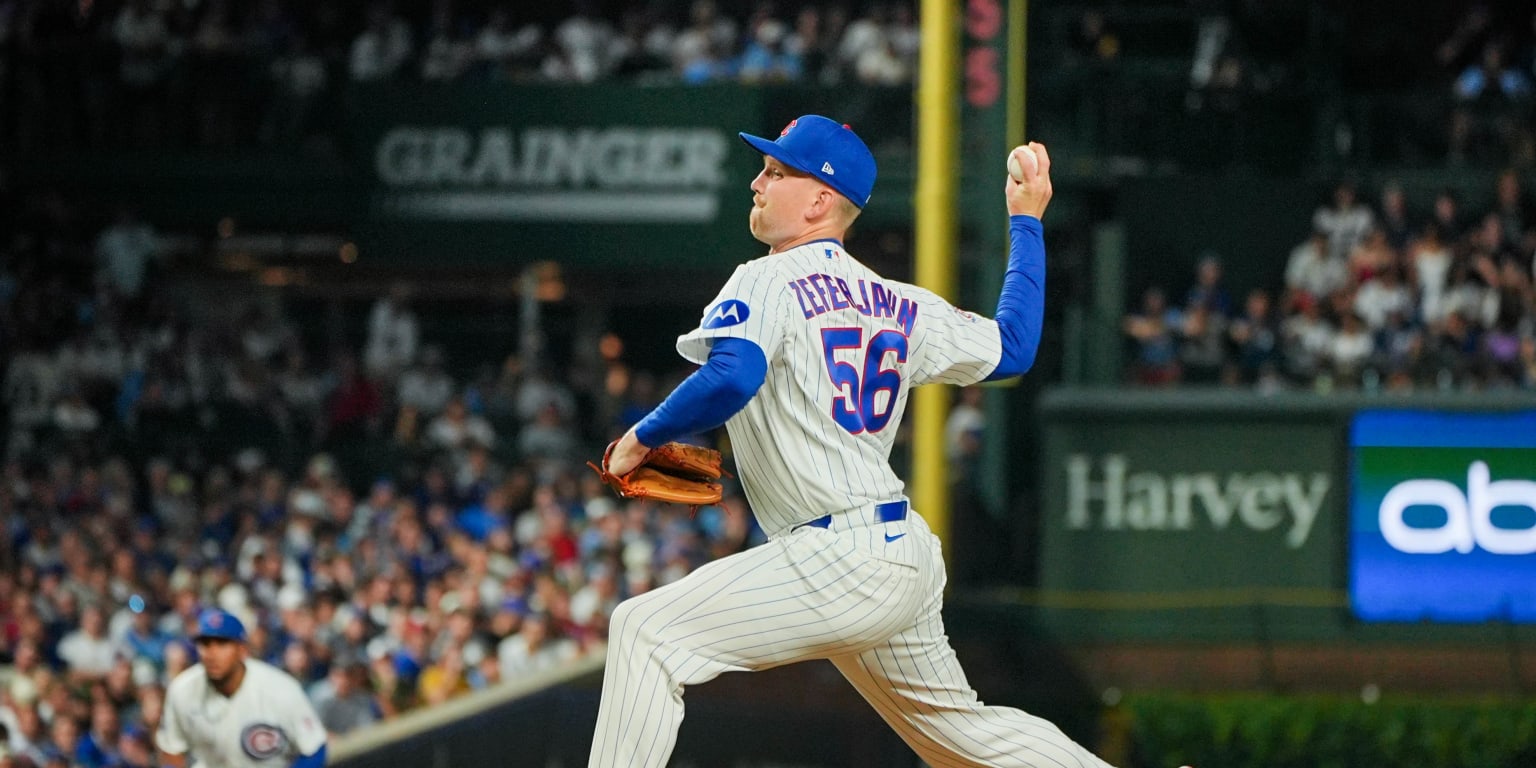
The Cubs made their play at the deadline. Kevin Gausman, Clay Holmes, Ryan Zeferjahn, Tyrone Taylor, and Braxton Garrett arrived in Chicago via a flurry of moves that shipped out five trade chips—including former top-100 prospect Moisés Ballesteros and infielder Jefferson Rojas. The price was steep in prospect capital, but the message from Jed Hoyer's front office was clear: this roster is being built for the next two months and October, not for 2027 or beyond.
The acquisition pattern reveals a front office that identified specific gaps and filled them without compromise. A rotation battered by injuries needed both a mid-season stabilizer and a control arm. Holmes provides depth and dual-role flexibility—he spent his career as an All-Star closer before converting to a starter with the Mets, and he's already signaled willingness to operate in a relief capacity come October. Gausman slots in as a high-leverage option. Zeferjahn, despite the prospect cost, carries control through 2030 and brings the swing-and-miss element the bullpen had lacked. Taylor addresses the left-handed outfield gap with a versus-lefty profile and sound defense. This wasn't a "grab some bullpen help" deadline haul; this was a targeted reshaping of the playoff-relevant roster.
What emerges from the depth additions and pitching overhaul is a postseason rotation with genuine optionality. The Cubs don't have a single ace—Boyd, Imanaga, Gausman, and Holmes are all capable openers—but the flexibility to deploy based on matchup is a feature, not a bug, especially in the condensed three-game Wild Card format. Counsell's repeated framing of pitchers as "out-getters" rather than role-assigned specialists signals an October plan centered on multi-inning availability and spot usage. Holmes looming as a potential reliever-slash-opener hybrid behind Chicago's lefty starters is the kind of chess piece that matters in best-of-three series.
For betting purposes, Cubs playoff pitching props have shifted materially. The rotation overhaul compresses variance—you're no longer betting on Boyd or Imanaga carrying the load solo. Strikeout props on their likely October starts (Gausman in particular has maintained a 27+ K% rate this season) become more durable because the lineup protection behind them improved, and the bullpen depth means earlier hook scenarios for borderline outings are less likely. The bullpen itself, now featuring Zeferjahn's high-velocity swing-and-miss (career 29% K-BB rate), gains credibility in leverage spots. Over-unders on Cubs postseason games should tighten once the October bracket is set—fewer blowouts, better-positioned bullpen for close games late. The market will adjust to this before the bracket drops, but early-printed postseason totals (when made available in late August) may still carry old-roster assumptions.
The real edge here is in acknowledging that the Cubs' front office has de-risked their October rotation by adding depth rather than chasing a singular difference-maker. That translates to lower volatility in games where a healthy Counsell bullpen can execute the plan. Fade the overs on Cubs playoff games that were built on "their rotation might hit a wall" assumptions; that scenario is less probable now.