Holmes to Cubs Resets Mets' Deadline Math; Bullpen Tightens, Starting Depth Thins
By Ty Whitney ·
A fractured fibula delayed his return, but the Mets' trade of Clay Holmes to Chicago signals they've abandoned the starting-pitcher surplus and doubled down on relief depth for a second-half push.
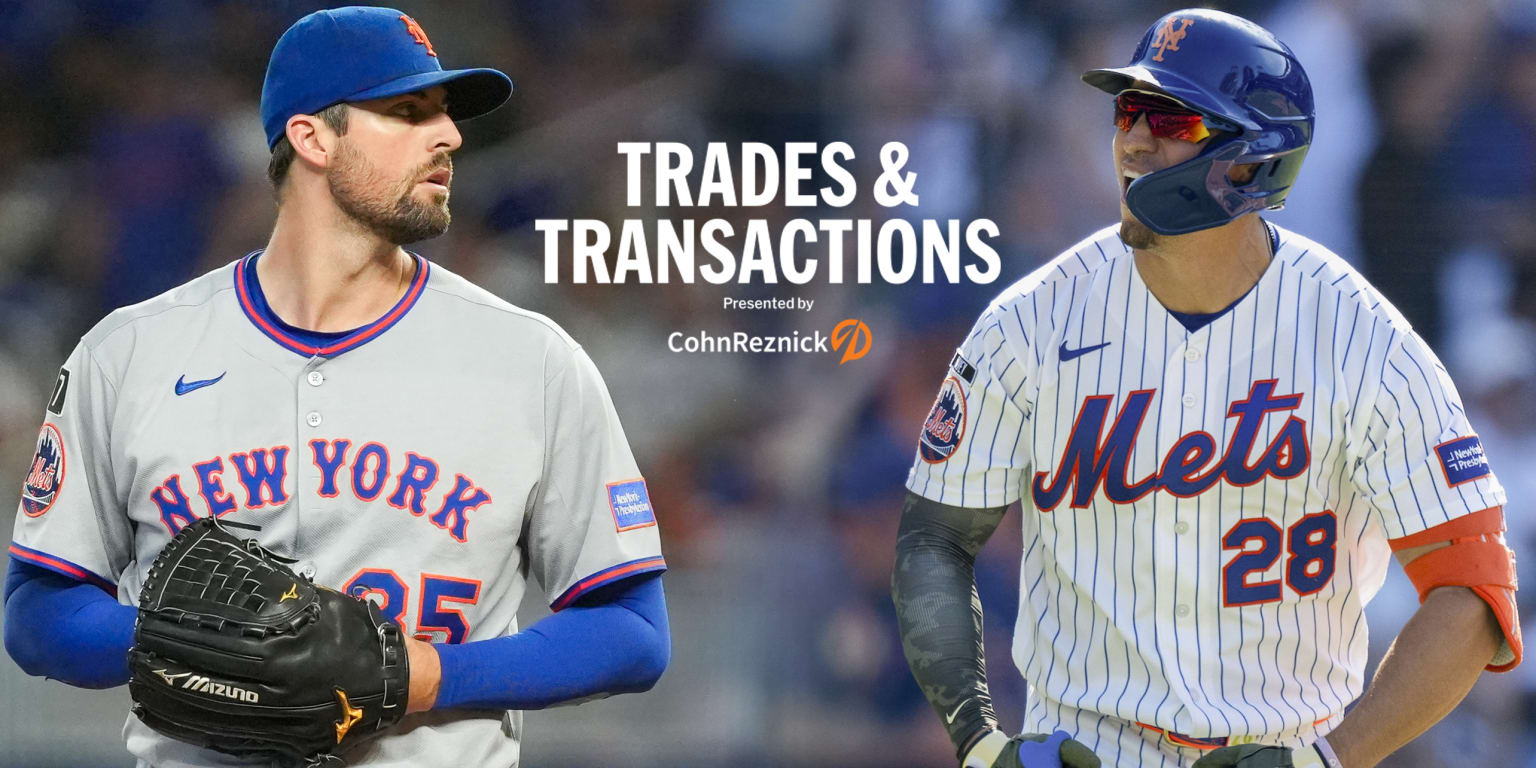
The Mets traded right-hander Clay Holmes and outfielder Tyrone Taylor to the Cubs on Monday, exchanging them for infield prospect Jefferson Rojas, the Cubs' No. 2 prospect. Holmes fractured his right fibula on May 15 — 80 days ago — when he was hit by a Spencer Jones comebacker. That injury derailed what had been a strong start to his inaugural season as a Mets starter: before the break, Holmes posted a 2.39 ERA over four wins and four losses, completing at least five innings in every start except the one in which he was injured. He's since made three minor-league rehab starts and appeared ready for a major-league return, but the Mets opted to move him rather than integrate him back into the rotation.
This is the second trade between the Mets and Cubs in 2026; the clubs swapped left-hander David Peterson for Cubs prospect Cole Mathis on June 25. The Holmes deal arrives with 70 hours remaining in the Trade Deadline window—the Mets are signaling a strategic pivot. Holmes, when healthy, is a ground-ball specialist who generates soft contact at a 50%-plus rate, a rare commodity in relief innings when runners are in scoring position. His track record as a closer for the Yankees from 2022-24 makes him a proven high-leverage arm, exactly what contenders prize in September baseball. The Mets' willingness to trade him suggests either a confidence in their current bullpen construction or a calculation that Holmes' injury timeline creates too much uncertainty for a team chasing a pennant-race window.
Taylor, a free agent after the season, provides the Cubs an immediate offensive jolt. His recent form—seven home runs and a 1.311 OPS over 24 games since returning from a hip injury on June 28—marks a departure from his career profile as a defense-first outfielder. That offensive spike coincides with his health status; the Cubs are banking on sustained production rather than a three-week outlier. For the Mets, the prospect return (a No. 63 overall prospect) is modest, which underscores their deadline priorities: bullpen reinforcement and clearing salary flexibility ahead of a busy September.
For bettors, Holmes' injury history and incomplete comeback create immediate friction with any leverage-situation props. His fastball velocity and sinker movement data will need to be validated in live action before assuming he can replicate his 2022-24 closer performance. The Cubs' bullpen additions should narrow closing leverage games—fewer runners-in-scoring-position situations for opposing batters—which depresses RBI and hit totals for hitters facing late-inning Cubs matchups. Watch Cubs closing situations shrink the implied run production for the next two weeks; this trade buys relief depth that shows up in run-prevention metrics before the market fully reprices it.
Taylor's inclusion tips a secondary angle: the Cubs' lineup now carries more left-handed punch against right-handed starters, which should modestly elevate their team-run totals against RHP opponents. His hip health remains the single largest variable; if the injury resurfaces, the offensive ceiling drops sharply.