MLB
San Diego's Rotation Overhaul Flips the Playoff Math in the NL West
The Padres added two veteran arms at the deadline and swept baseball's best team—but the real edge lives in how their pitching staff now stacks against the rest of the division.
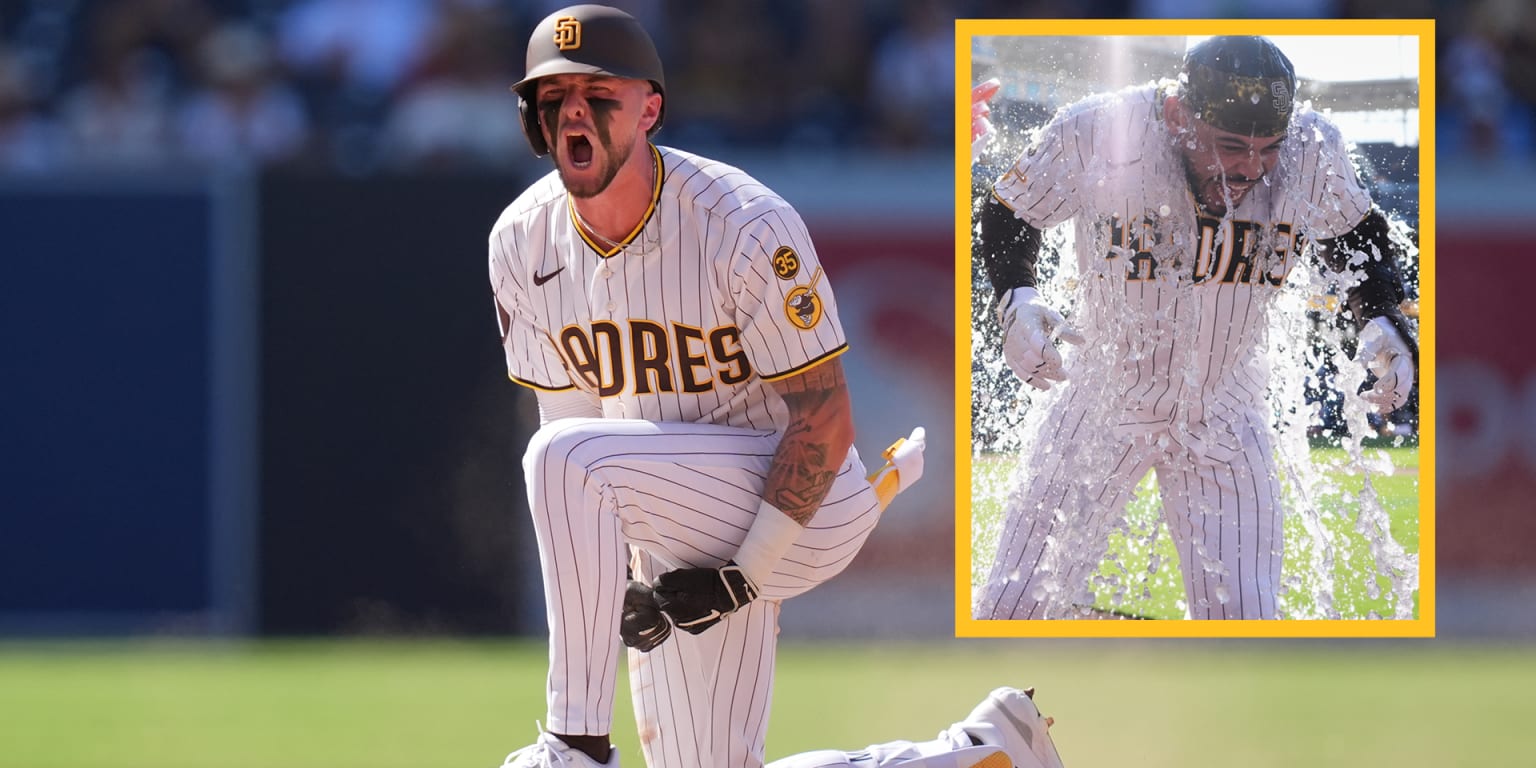
One month ago, the Padres sat 5.5 games out of a wild-card spot and 11th in the National League. On Wednesday, August 12, they completed a sweep of the Brewers with a walk-off win in 11 innings and own a playoff berth. That swing—from fringe seller to active buyer—hinged on a single trade deadline decision that rewired both their roster and their pitching math.
A.J. Preller faced a genuine fork in early July. The Padres' rotation was hemorrhaging innings to injury and inconsistency, while their offense ranked dead last in baseball through mid-June. The math didn't work. A month of compressed scheduling—17 games in 17 days leading into the All-Star break, then 26 games in 27 days after—would have buried a weaker team. Instead, San Diego's hitters clicked. The bullpen stayed healthy. By the time Preller stepped back into the buyer role, the Padres had built enough breathing room to justify adding two starters: Casey Mize and Robbie Ray, acquired for three top-nine prospects. The move wasn't incremental—it was a full-throated commitment to running the division.
What matters for the remainder of the season is that Preller didn't gut the roster around the margins. He kept his back-end relievers intact despite persistent trade rumors around Mason Miller and Adrian Morejon. That stability—knowing the group around the newcomers wouldn't splinter—energized a clubhouse that had spent weeks holding its breath. Cronenworth and Buehler both spoke to the psychological lift of Preller adding, not subtracting. The Padres now own the two hardest decisions: how to integrate Mize and Ray into a rotation mid-flow, and how to manage depth if either starter hits a rough patch down the stretch.
For proposition players, the sweep of Milwaukee and the subsequent acquisition of Mize and Ray create a narrow but real edge: San Diego's ERA profile will compress over the next three-to-four weeks as both newcomers settle into gameday roles. Expect their team total to move upward (currently trading in the 3.8–4.1 range depending on matchup), but the more durable angle sits in fading unders on Padres team totals against weaker NL West pitching staff through Labor Day. The Mize-Ray addition doesn't immediately flip Padres-adjacent team total logic against the Dodgers or Mets, but against Colorado, Arizona, and any non-division foe relying on mid-rotation depth, the gap between San Diego's projected runs and the sportsbooks' overnight line will widen. That's a persistence play, not a one-game spike: the calendar works in their favor, and Preller's refusal to trade blue-chip position players means their lineup only gets healthier as September approaches.
MLB Intelligence — Baseball intelligence beyond the box score. Open MLB Intelligence →