MLB
Padres Clinch Third Straight Playoff Berth as Rotation Overhaul Pays Off Down the Stretch
San Diego's unconventional pitching strategy stabilized a sinking roster in late July, setting up deadline acquisitions that transformed October viability.
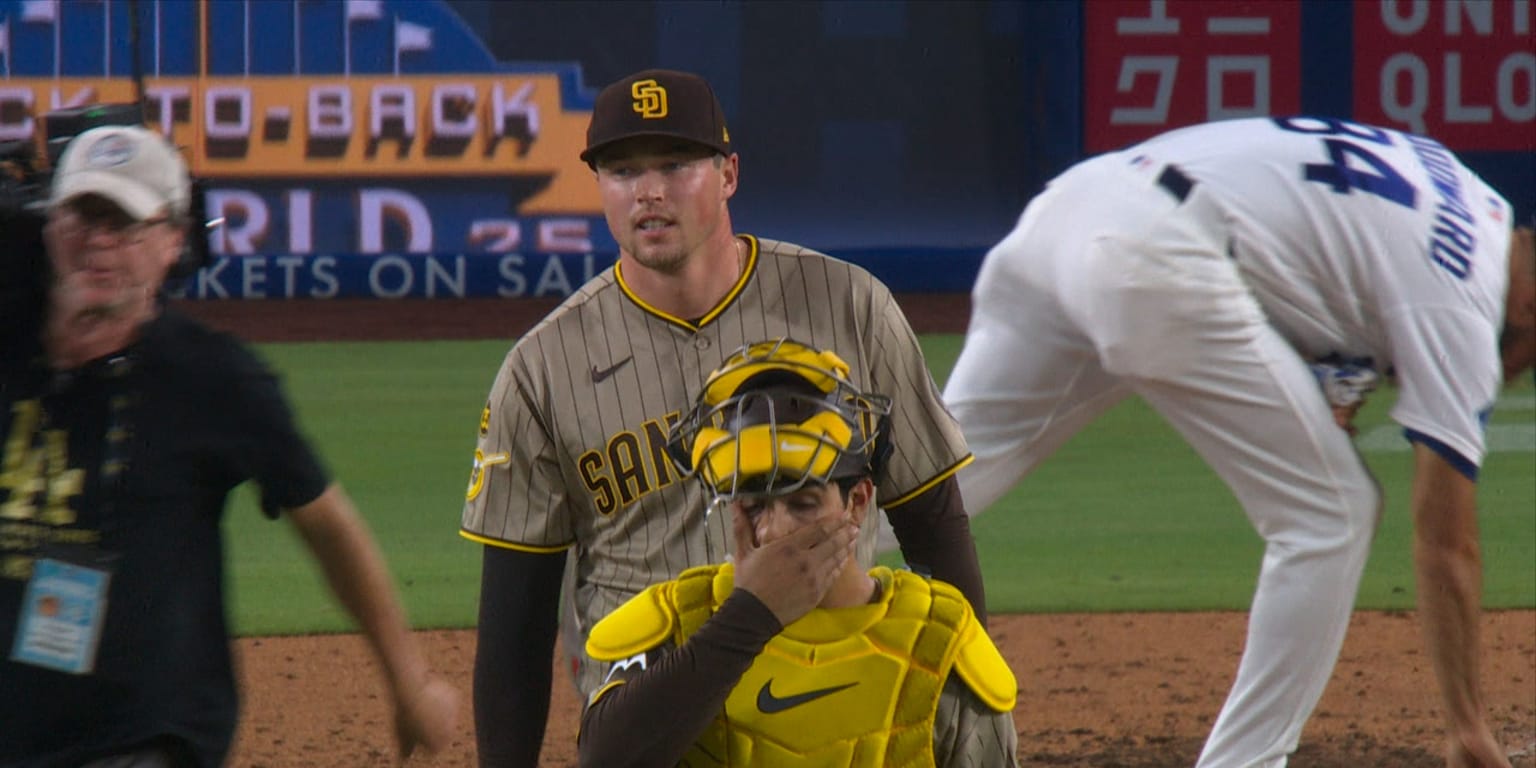
The Padres beat the Dodgers 4-2 on Friday to clinch their third consecutive postseason berth, a feat no team in franchise history has achieved before. The milestone arrives with genuine relevance: this organization has reached the playoffs five times in the past seven years, a stunning reversal from five total appearances in its first 50 seasons. The current run isn't accidental or merely beneficiary of expanded playoff architecture—it reflects a front office willing to make structural bets mid-season and a roster that responded when the margin for error collapsed.
By late July, the Padres sat three games below .500, mired in 11th place in the National League, having endured an eight-game losing skid—their worst in 13 years. The rotation was fractured, the offense ranked last in baseball. The organization faced a decision: sell key assets at the deadline or execute a radical in-season pivot. General manager A.J. Preller chose the latter. Management eliminated traditional rotation assignments entirely. Michael King and Walker Buehler remained anchors, but spots three through five rotated based on matchup advantage and arm freshness. Mason Miller locked the ninth inning. The strategy, dubbed "pitching chaos" internally, wasn't innovation—it was necessity rebranded as philosophy. The Padres won eight of their next nine games, validating the desperation move and positioning Preller to deploy his standard deadline aggression. He shipped three top-nine prospects to Detroit for Robbie Ray and Casey Mize.
That sequence—crisis, unconventional solution, stabilization, reinforcement—now anchors the betting narrative for October. The Padres bullpen is the best-constructed in baseball, with Miller and Adrian Morejon capable of eating high-leverage innings. The rotation, still assembled mid-stream but now battle-tested, settled into defined roles after Ray and Mize arrived. The team proved it could survive and advance through a six-month gauntlet; October's compressed timeline and shorter series actually play to their strengths.
For prop bettors, the Padres' path to this clinch carries concrete implications. First, their offensive inconsistency (ranked last in June, yet able to score 4 runs against the Dodgers' elite bullpen) suggests team total overs carry embedded risk until the postseason rotation solidifies. San Diego's runs-per-game volatility stem from offensive construction issues that one hot week doesn't resolve. Second, their reliance on bullpen dominance and matchup-based pitching favors under-the-total outcomes in games where Miller or Morejon are available, especially against left-handed-heavy lineups. The Padres' willingness to deploy their best arms early in games—a strategy validated by their late-season success—reduces offensive rhythm for opponents. Third, the deadline acquisitions (Ray and Mize carry track records of inducing ground balls and strikeouts) mean innings pitched totals and strikeout props on Padres starters should trend upward as the rotation stabilizes heading into October. Ray's career K/9 sits near 9.0; Mize's groundball rate exceeds 50%. These are not marginal upgrades.
The market will price Padres postseason odds based on recent record and bullpen reputation alone. It will underweight the mechanical advantage of having run experimental lineups and pitching strategies during September, effectively creating in-season playoff simulations. Teams that discover their true best lineup under pressure rarely stumble immediately. The Padres' third straight berth isn't a feel-good narrative—it's a signal of roster and system maturity that survives line movement.