MLB
Sonny Gray's Deadline Masterstroke: How Boston's Rotation Gamble Is Already Paying Dividends
At 36, Gray delivered career-high win 15 on Saturday with vintage command, validating Boston's midseason investment and reshaping bullpen workload dynamics down the stretch.
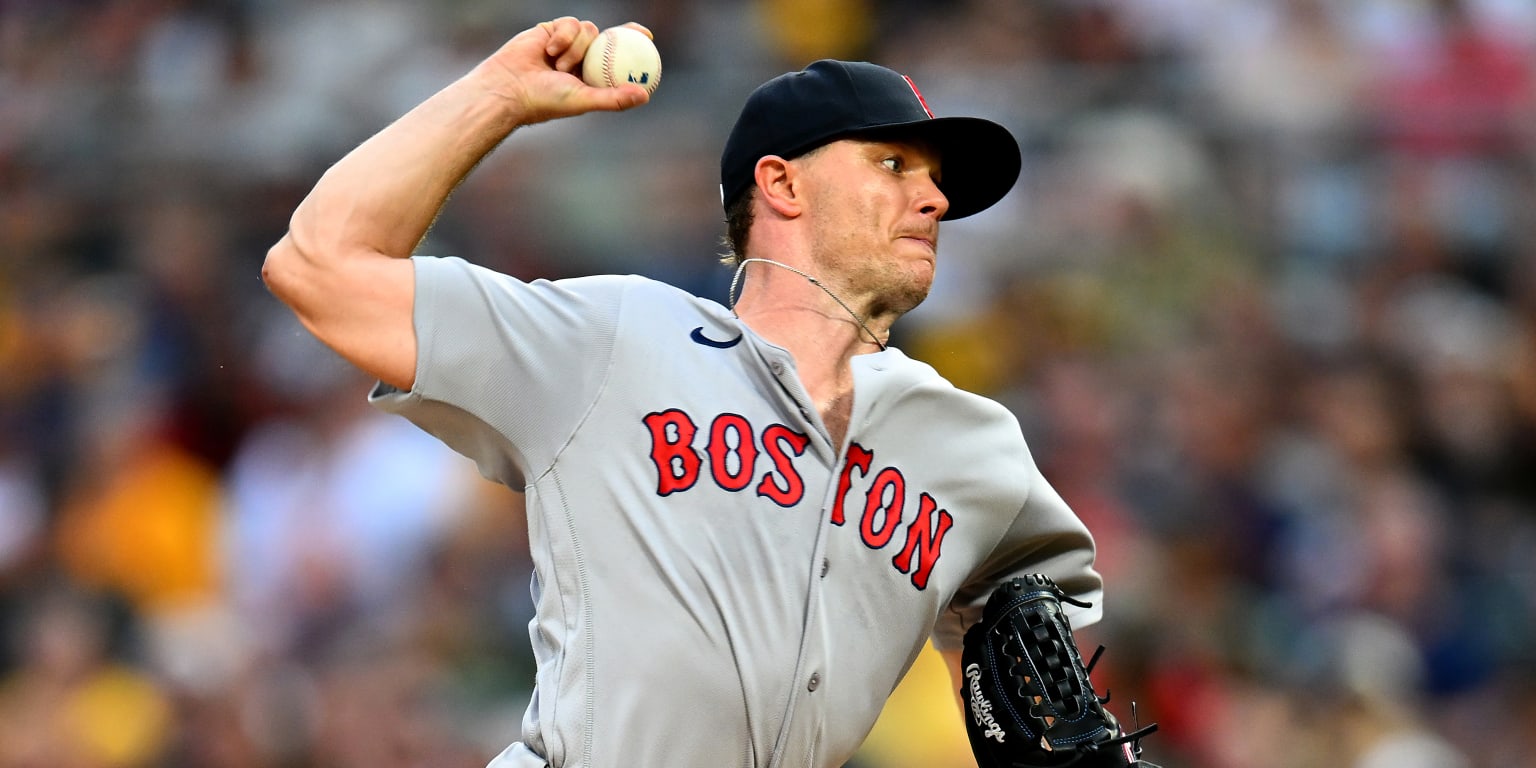
Sonny Gray notched his 15th career victory Saturday night, leading Boston past Pittsburgh 4-0 at PNC Park in a performance that crystallizes why the Red Sox made him their deadline anchor. Working seven scoreless innings on 93 pitches, Gray allowed six hits, one walk, and struck out seven—his first outing alongside new catcher Adley Rutschman, the prize acquisition the Sox added in the same trade haul. At 36, with a 2.65 ERA and a 15-3 record, Gray has become the rare pitcher whose win total actually matters: he is pitching when it counts, eating innings when Boston needs them most, and doing it with the kind of stuff that doesn't show up in the box score until the fourth out of a potential crisis.
Context matters here. Boston entered Saturday in a 1-6 slide following a 27-3 tear—the franchise's best 30-game stretch in history. That collapse would have buried most teams. Instead, the Red Sox (66-57) are 40 games from the postseason finish line, and Garrett Crochet, the ace who almost single-handedly carried them to October last season, remains sidelined with left shoulder inflammation. The absence forced Gray into the stopper role immediately, and he has answered without hesitation. In the fifth inning Saturday, with the bases loaded and two outs, Gray struck out Brandon Lowe on a 2-2 sweeper—the kind of swing-and-miss moment that separates margin of victory from blown games in August.
The betting architecture shifts when a pitcher of Gray's caliber assumes this role. Boston's run prevention pipeline, already stressed by Crochet's absence, stabilizes materially when Gray takes the ball. His seven scoreless innings meant Boston's bullpen faced zero inherited runners and could operate in low-leverage spots the rest of the night—a compounding advantage in a pennant race where depth gets tested every single night. The Red Sox scored just four runs, and all four held up clean because Gray's command refused to buckle. For proposition players tracking pitcher strikeout lines, Gray's 7 Ks across seven innings in a pitching-friendly environment (PNC Park, 24 mph winds, cool temperature) suggests his K prop sits near his season average of roughly 8.1 per nine innings. But the real edge lives in team total unders when Gray starts: Boston's offense generated minimal run support Saturday (one solo shot, two doubles, nothing in flow), yet won comfortably because the opposition never threatened. Over the final 40 games, Gray's starts should anchor unders on Boston's team totals in the 3.5-4.5 range, particularly on nights when the lineup faces stronger opposing pitching. The margin compresses when you don't have to manufacture runs, and Gray's mastery ensures that runway exists.
The durability question hangs differently now. Gray is 36, the Red Sox are banking on an autumn push with a late-career acquisition, and that bet only makes sense if he stays healthy and available. His workload Saturday—93 pitches in seven innings—sits comfortably within reasonable stress parameters, and his command (one walk across seven innings) indicates no physical strain. The deadline architecture itself is a market signal: Boston paid material assets to add him, which means their internal valuations expect him to be a reliable stopper, not a volatile one. That conviction should carry weight in prop markets still pricing him as a mid-rotation starter rather than a true anchor. When the market treats him as the latter—which the performance and the team's trading signal both suggest he is—closing-line value emerges on overs of his strikeout lines (particularly in matchups against weaker-contact lineups) and unders on opposing team totals when Boston's run prevention becomes the dominant variable.
MLB Intelligence — Baseball intelligence beyond the box score. Open MLB Intelligence →