Red Sox Hit Inflection: A 13-Game Streak and the Math Behind a Season-Saving Turnaround
By PropBetEdge Editorial Team ·
Boston's historic winning streak reveals a team that solved its hitting crisis at precisely the moment it mattered most, reshaping playoff odds with every game.
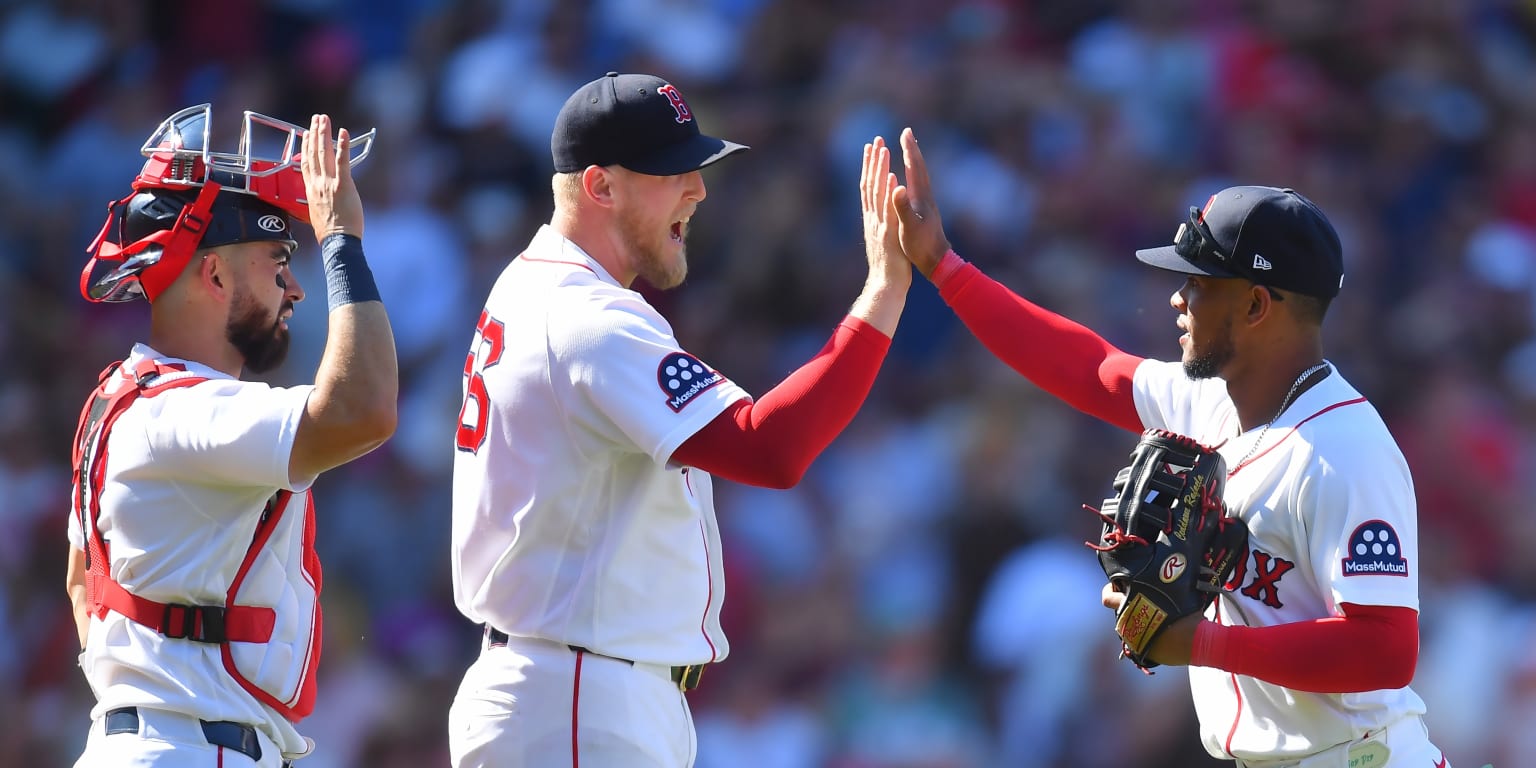
The Red Sox stretched their winning streak to 13 games with a 6-1 dismantling of the Rays on Sunday, tying the 1948 team for the second-longest run in franchise history. What matters more than the milestone is the trajectory: from 32-46 and 15.5 games out of first place less than a month ago, Boston has gone 18-2 in recent weeks, climbing to 50-48 and into the third Wild Card slot. That's not a hot streak. That's a team that identified a fatal flaw and corrected it mid-flight.
The mechanism is straightforward. Through June, the Red Sox possessed one of baseball's better pitching staffs but ranked among the league's worst offenses. Sonny Gray—who after a June 18 loss said plainly, "We're just not a good team right now"—has since strung together nine consecutive quality starts. But pitching kept them in games they had no business winning; hitting kept them losing those games. The inflection arrived when the offense woke up. Against the Yankees at the end of June, Boston swept a four-game series on the strength of renewed contact rates and power production. Saturday's comeback against Tampa Bay, when Wilyer Abreu hit his fourth homer in two games to erase a 6-3 deficit, exemplified the shift: the Red Sox are no longer waiting for leads. They're hunting them down.
That awakening isn't noise. Abreu's two-game, four-homer tear speaks to a lineup that has regained its aggressive posture. The rotation—anchored by Gray and reinforced by consistent depth—hasn't deteriorated; the lineup has caught up to it. The 18-2 run followed immediately after the Yankees series, suggesting the confidence was real and contagious, not a single outlier.
For prop purposes, the Red Sox now face a critical sustainability question. A 13-game streak generates line movement by default: sportsbooks will shade overs higher on Boston's team totals, shrink moneyline odds, and adjust opponent totals downward. But the underpinning is sound. Gray's nine-game quality-start streak is durable (he's been efficient and dominant, not lucky). Abreu's power surge is part of a broader offensive uptick, not a single bender. The pitching was never the problem. Against a lighter schedule this week—three games each against the Orioles and Blue Jays—the Red Sox should sustain pressure on totals. Early-week overs on Boston's team total are likely overpriced by the market's recency reaction; the offense that sparked the run is the same one facing similar competition. Conversely, unders on Boston's totals later this week are worth monitoring only if the streak snaps—at which point the line will have already moved sharply higher and the edge will have evaporated.
The playoff arithmetic is equally stark. At 50-48, Boston is 4.5 games behind the Yankees for the top Wild Card seed and still in contention for the AL East, now six games back of Tampa Bay. If the Red Sox maintain 0.550 win-paced baseball (roughly a 90-win season at 162 games), they're a Wild Card team with momentum entering October. If they revert to their June baseline, they're lottery-ticket odds. The current streak is neither unsustainable nor repeatable—it's a reset. How long it lasts depends on whether the lineup stays engaged.