MLB · transaction
Braves Trade for Mahle Depth as Deadline Clock Ticks
Atlanta swaps relief depth for veteran rotation help mid-August, signaling aggressive contention posture ahead of the final stretch.
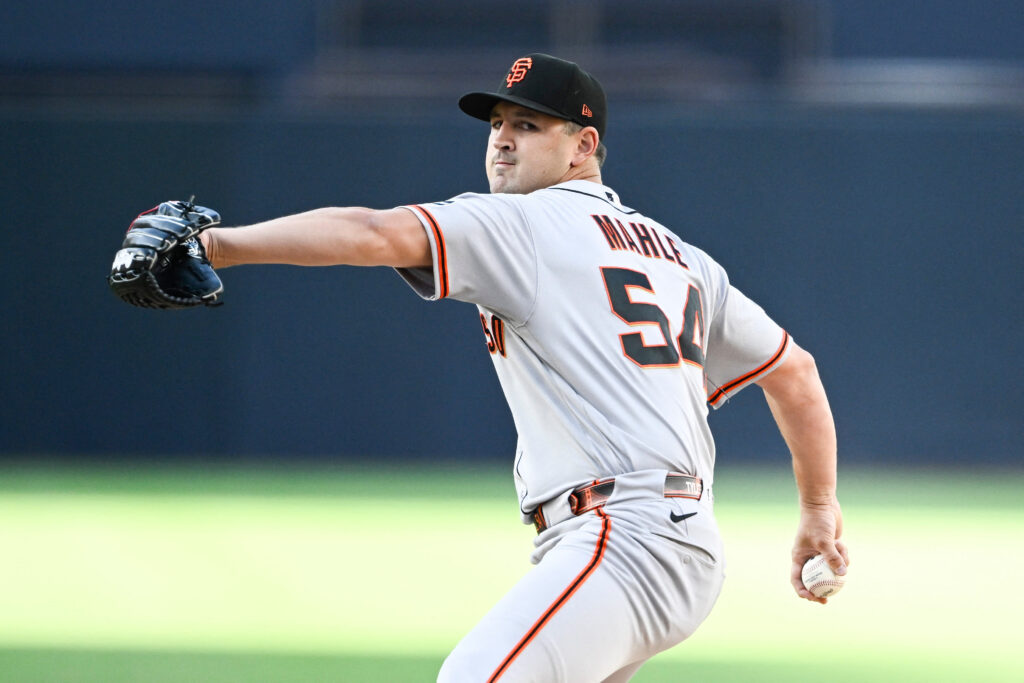
The Braves have acquired starter Tyler Mahle from the Giants in exchange for reliever Anthony Molina, per reports Sunday. The trade adds a proven innings-eater to Atlanta's rotation as the team navigates the final two months of the regular season with playoff positioning still fluid in the National League East.
Mahle arrives as a mid-rotation piece—a journeyman starter who has reliably produced quality starts without elite strikeout rates or ERA numbers that typically headline August trades. His value lies in availability and baseline competence: he's logged 150+ innings in multiple seasons, carries a career 3.89 ERA, and operates around 8.5 K/9. For a Braves club that may be shopping for depth rather than an ace-level addition, this represents a calculated bet on stability over star power. The Giants absorb Molina's reliever contract, suggesting San Francisco is managing payroll as much as acquiring talent—a signal of a team that has already pivoted toward 2027.
The timing matters. With roughly 60 games remaining, Atlanta is making a statement about contention window urgency. Mahle won't move betting markets in dramatic fashion—he's not a postseason-altering asset—but his presence in the playoff rotation removes variance from the backend of Atlanta's starting depth. Bettors tracking Braves team totals and moneyline values over the final stretch should expect modest tightening: fewer blowout risks when the fifth or sixth starter takes the ball means more predictable game scripts and lower volatility in over/under pricing.
For playoff-intensive bettors, the real signal is organizational behavior. Trading for rental depth in August tells you management sees the window open now, not in 2027. That conviction typically translates to aggressive lineup usage, higher leverage minutes for established hitters, and a willingness to run slightly hot lineups that maximize win probability. It's a subtle but measurable edge in moneyline pricing—teams that trade at the deadline tend to be overestimated by closing-line markets because they signal internal confidence that public models haven't fully priced.
MLB Intelligence — Baseball intelligence beyond the box score. Open MLB Intelligence →