Braves Gamble on Mahle's Strikeout Upside Over Immediate ERA Relief
By Justin Erickson ·
Atlanta trades Anthony Molina for a struggling starter in the middle of the deadline, betting on stuff over 2026 performance.
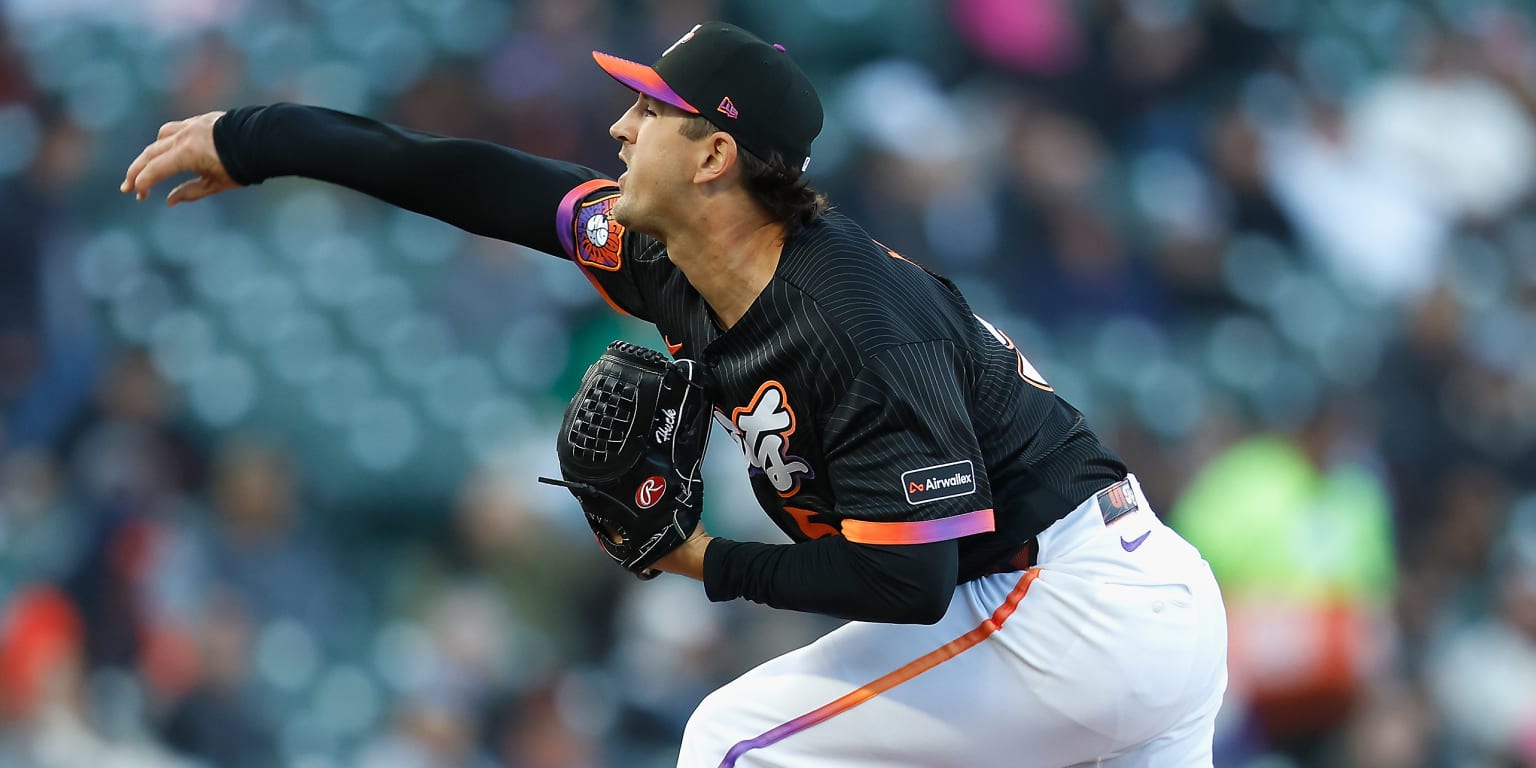
The Braves are acquiring right-hander Tyler Mahle from the Giants in exchange for Anthony Molina, a source told MLB.com. The deal closes a week before the formal trade deadline Monday at 6 p.m. ET—a window when teams are still hunting for depth, not headliners.
Mahle's 2026 line reads poorly on its face: 3-9, 5.13 ERA across 18 starts. He's accumulated the kind of season-long inefficiency that typically signals a reclamation project rather than a proven asset. Molina, Atlanta's trade chip, has been a marginal relief presence—three games, five innings pitched all season, essentially organizational filler. From a raw value standpoint, the Braves are paying almost nothing for a starter whose ERA sits nearly a full run above league average.
But the mechanics of this trade reveal what Atlanta's front office actually sees. Mahle's strikeout rate—the underlying indicator that persists regardless of ERA volatility—remains respectable. In a deadline market where frontline starters command king's ransom packages, acquiring any pitcher with above-average K-per-nine at minimal cost is a hedge against further rotation casualties. The Giants, meanwhile, get roster flexibility by shedding a non-pitcher, suggesting they view Molina's upside as negligible.
For bettors, Mahle's props become relevant only if Atlanta deploys him in meaningful spots down the stretch. A 5.13 ERA pitcher in a contender's playoff rotation typically sees limited exposure in high-leverage situations, which compresses his strikeout volume relative to his per-nine rate. If he takes a fourth-starter slot in September call-ups or spot-start scenarios, his K prop would track closer to 4.5–5.5 range rather than the 6–6.5 projection his raw stuff might support. Early-season struggling starters who land on contenders often see either redemption (rare) or predictable decline (common) in the final two months. Mahle's next six weeks will determine whether this is opportunistic depth or a sunk-cost salary dump.