Braves' Deadline Trades Reshape Atlanta's Lineup Depth—But Integration Risk Looms
By Justin Erickson ·
Five new acquisitions arrive in rapid succession just as Sean Murphy and Ha-Seong Kim return from injury, forcing Walt Weiss to engineer a complex rotation puzzle with unclear offensive and pitching gains.
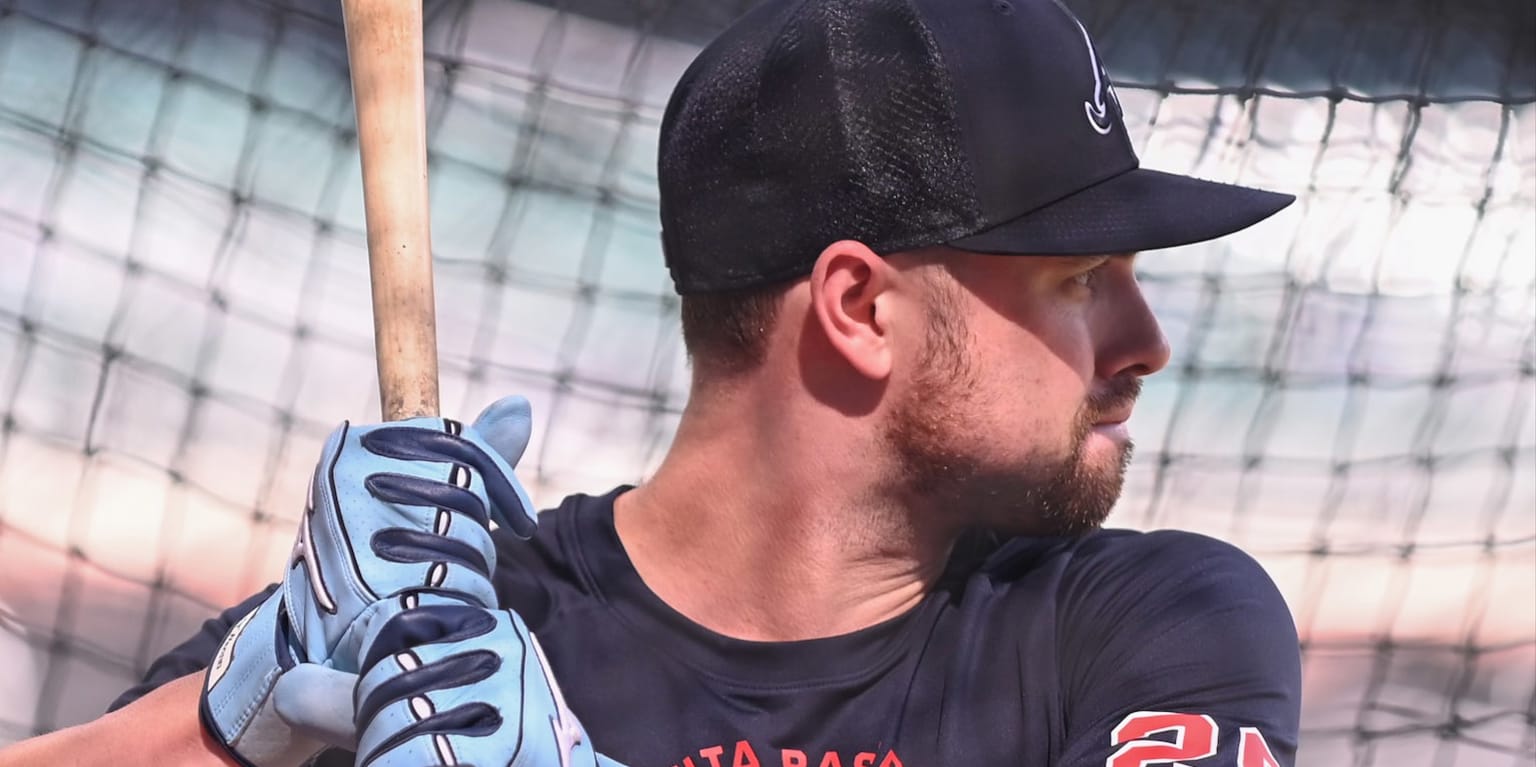
The Braves' clubhouse welcomed five new faces in the span of 72 hours—outfielder Lane Thomas, pitcher Tyler Mahle, reliever Brent Suter, and the returns of Sean Murphy and Ha-Seong Kim from the injured list—creating a lineup management puzzle that Walt Weiss will spend the next month solving. Murphy fractured his right middle finger on May 12, sidelining him for nearly three months; Kim was shelved on July 4 with right finger inflammation and spent time rehabbing in the minors before clearing to rejoin the roster. The addition of Thomas and Mahle from separate trades suggests the front office identified concrete gaps: left-field depth and rotation depth heading into September. Yet the market hasn't yet priced the integration friction that comes with absorbing five new contributors—three of them mid-season pickups with no familiarity with Atlanta's systems—while simultaneously reintegrating two injury returnees with diminished confidence and recent performance.
Thomas arrives with a .800 OPS mark against left-handed pitchers (135 PA) but represents a platoon piece, not a permanent solution. Weiss acknowledged Thomas can handle righties "fairly early" if pinch-hitting is needed, but that's a utility profile, not an everyday bat. With Mike Yastrzemski already slated for left-field starts, Thomas cannibalizes at-bats in a crowded corner-outfield picture. Kim's return is even murkier: his slash line of .068 (5-for-73) before injury suggests the real concern isn't finger healing—it's mechanical confidence. The Braves paid $20 million for Kim's full season; they're now managing a player who tore a tendon on a slip of ice weeks before getting his hand inflamed again. The defensive regression Weiss alluded to compounds the problem. A shortstop hitting .068 becomes a total drag on run expectancy, regardless of whether Jim Jarvis or Mauricio Dubón gets the primary role.
Mahle is the rotation's bright spot: a 3.79 ERA over seven starts since returning from his hamstring strain offers proof of concept. The Giants wouldn't have moved him if they believed in his durability heading into October; Atlanta's acquisition signals the team perceives sustainable health. He's a functional mid-rotation arm in a pennant race. Suter plays the Swiss Army role—long relief, middle relief, low-leverage inning-eating—and removes decision-making burden from Weiss when the bullpen is taxed. That's real value, though harder to quantify in a single-game prop context.
From a betting perspective, the integration timeline matters more than the headline additions. The Braves' offense ranked 8th in OPS entering deadline week; adding a platoon bat (Thomas) and reintegrating a .068 hitter (Kim) does not elevate run expectancy. Murphy's return should improve catcher defense and game-calling, but Drake Baldwin has held his own as a DH against lefties. The near-term effect is lineup fragmentation: Weiss will spend 10-14 days optimizing matchups, and strikeouts may rise slightly as unfamiliar hitters and returnees get acclimated. Mahle's addition is stable—a known commodity pitching in games where Atlanta's rotation was already adequate—so starter-focused unders hold marginal appeal if Mahle gets a start where the Braves face a heavy right-handed lineup. Over the next two weeks, fade Atlanta totals at inflated marks (>4.5 runs) because the lineup is creakier than the headline acquisitions suggest. The real edge clears by late August when integration is complete and Mahle's health is confirmed.
Suter and Mahle are modest bullpen and rotation reliefs, not offensive catalysts. The Braves didn't acquire a star bat; they assembled depth pieces in a crowded field. That depth is valuable in October but carries integration cost in August.