MLB
Eldridge's Walk-Off Grand Slam Rewrites Giants Narrative—and Commoditizes Late-Game Variance
A rookie's historic ninth-inning heroics buried an eight-run deficit, but the real story is whether San Francisco's late-game lottery ticket shifts market perception of their comeback odds.
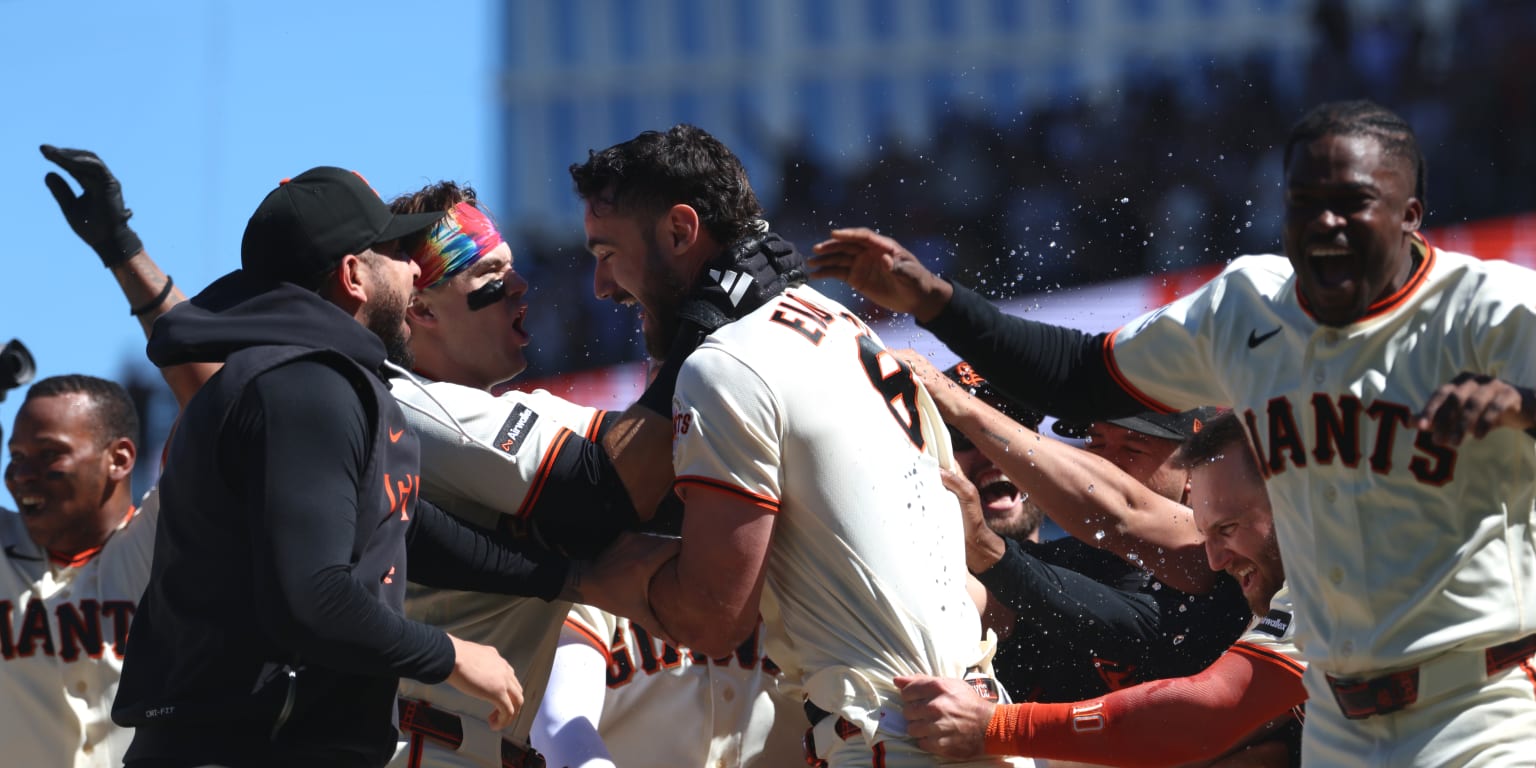
Bryce Eldridge, 21, did something Wednesday that will live in Giants lore: he launched a walk-off grand slam in the ninth inning to complete an improbable 11-10 rally from eight runs down entering the eighth. At 21 years and 233 days old, Eldridge became the youngest player in MLB history to hit a walk-off slam, eclipsing Roberto Clemente's record by more than a century of days. The Giants trailed 10-6 entering the bottom of the ninth. An RBI double from Matt Chapman (4-for-5, 2 HR, 3 RBI) trimmed it to three, a Rafael Devers walk and Jung Hoo Lee single loaded the bases, and Eldridge crushed a 2-0 slider from Mitchell Parker over the right-field wall. San Francisco's comeback marked just the sixth time in the Divisional Era (since 1969) that a team has won from eight or more runs down entering the eighth inning.
Context matters here. Eldridge is a rookie thrust into a game where the Giants had already surrendered ten runs. Chapman's two-homer night kept San Francisco alive; his double in the ninth didn't happen in a vacuum. The Nationals' bullpen—specifically Parker, who was tasked with holding a four-run lead in the ninth—failed to execute a fastball location. This is a data point about Washington's relief depth and management in blowout situations, not a repeatable blueprint for San Francisco's offense.
What's instructive for bettors is how sharply this type of comeback distorts public perception. Eldridge will be lionized. The Giants' ninth-inning upside will be overweighted in the minds of recreational bettors who watched Wednesday's broadcast. The market will price in a bump to San Francisco's moneyline odds and team total expectations in the coming days—particularly in contests where they're trailing late. This is the exact moment when books and sharp bettors diverge: the public sees "magical comeback" and wants to back the Giants' late-inning resilience; the professionals ask whether Oracle Park's dimensions, Parker's one poor pitch, and a 21-year-old's unlikely heroics constitute genuine edge or noise.
The Giants' true offensive profile hasn't changed. They scored 11 runs against a Washington team that allowed ten; the Nationals' pitching vulnerability was the real story, not San Francisco's hidden 27th-inning firepower. Oddsmakers will have already priced Wednesday's result into Thursday's opener against the Cubs—moving the Giants' moneyline and team total upward—because professional books update on game results faster than public sentiment stabilizes. By the time recreational money floods in with "the Giants are hot" narratives, the line has already moved. Early Thursday numbers on San Francisco's over/under and ML will carry steeper juice, not better value.
For bettors, the play is tactical: if you have conviction that the Giants' offense was merely average and Wednesday was a variance spike driven by Chapman's two-homer night and a bad Parker pitch, fade any oversized favoring of San Francisco props and moneylines in their next appearance. The walk-off grand slam is a one-game event, not a 162-game trend. Championship teams win eight-run comebacks occasionally. Teams that consistently trail by eight and mount ninth-inning rallies typically finish below .500. Eldridge's record-setting moment doesn't alter that calculus.