MLB
Whisenhunt's Five-Inning Debut Masks a Deeper Giants Offensive Story
San Francisco's power surge—three homers in one inning for the first time in nearly a year—overshadows a shaky pitching audition in a doubleheader sweep.
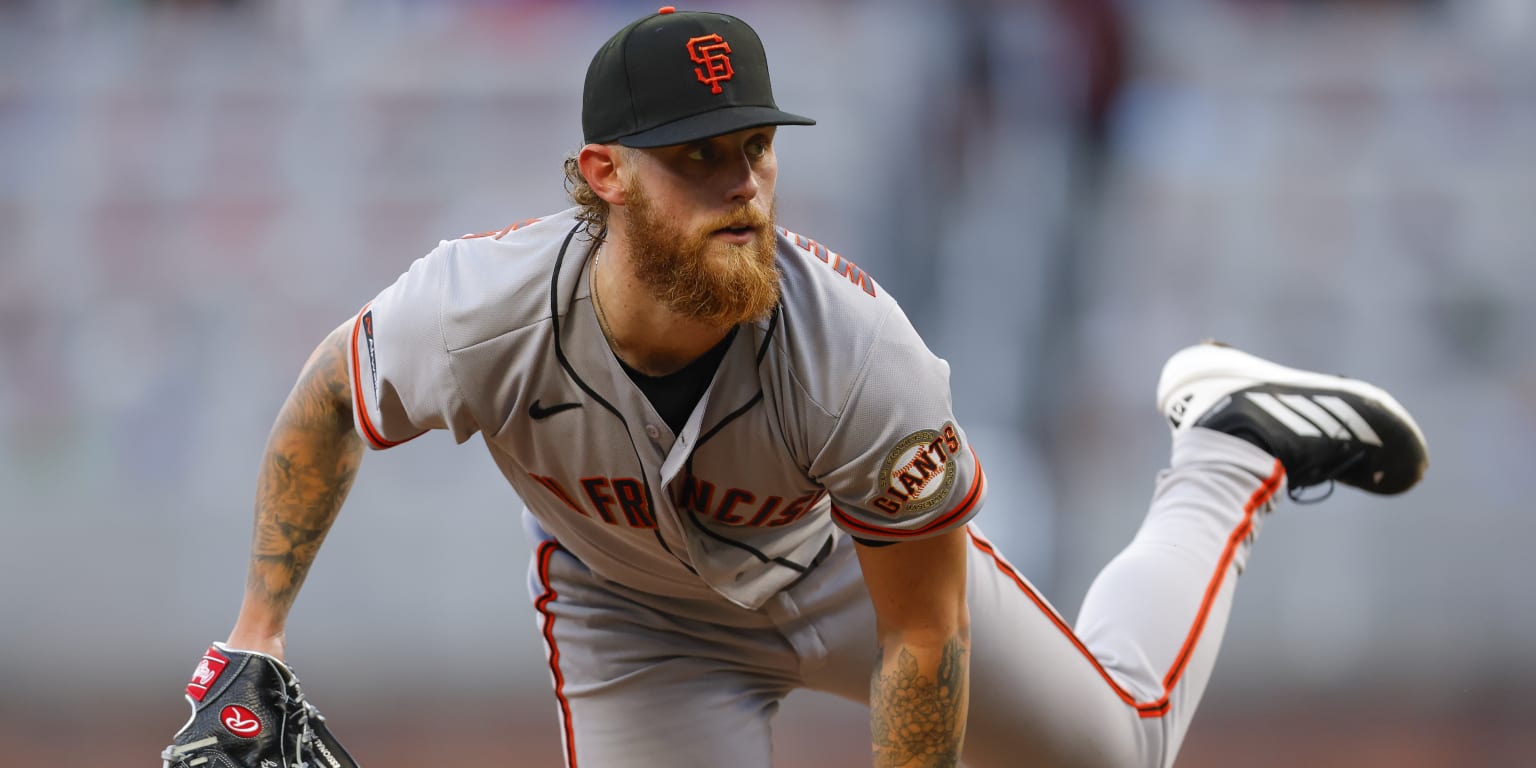
The Giants swept Wednesday's split doubleheader against Atlanta, winning Game 1 by 7–2 and Game 2 by 7–5, but the narrative threading both contests is punchy offense rather than reliable starting depth. Carson Whisenhunt, the 25-year-old left-hander called up from Sacramento for a spot start, delivered exactly what the roster needed in a pinch—five-plus innings of two-run ball—but the performance shouldn't be mistaken for the kind of sustainable starting option the Giants are hunting.
Whisenhunt leaned heavily on his fastball-changeup mix through five innings of Game 2, giving up nothing. The moment he returned for the sixth, the cracks showed. Three consecutive singles to Matt Olson, Ozzie Albies and Austin Riley signaled that his stuff wasn't generating strikeouts or weak contact against a patient Atlanta lineup. JT Brubaker had to relieve him with the bases loaded and zero outs; Whisenhunt's inability to put hitters away is a meaningful gap for someone auditioning for regular rotation work. One inheritance run scored, and the cushion that had looked commanding in the early innings tightened fast. That's the hidden cost of a prospect-level debut: efficiency over five innings doesn't guarantee the elasticity a contender needs down the stretch.
What the doubleheader does clarify is the Giants' current offensive tempo. Willy Adames, Luis Arraez and Bryce Eldridge combined for three consecutive homers in the second inning of Game 2—the first time San Francisco has done that in a single frame since August 18, 2025, when Heliot Ramos, Rafael Devers and Wilmer Flores pulled off the same trick against the Padres. Arraez, in particular, provided a statement: three seasons as a batting champion, on-base skills for days, and he's been quiet since his last homer on May 17. Wednesday's two-run shot—with Arraez taking a deliberate dugout-directed pause before his home run trot—reads as confidence returning. Eldridge extended his on-base streak to 22 games, now second only to Willie McCovey's 25-game run in 1959 among Giants hitters 21 or younger. That's elite contact discipline masquerading as youth production.
For prop bettors, the edge lies not in chasing Whisenhunt's line numbers—a 25-year-old in his season debut against a playoff-contending lineup will see predictably tight strikeout lines and inflated ERA projections—but in recognizing that the Giants' middle-order power profile just shifted. Adames (13 homers, second on the team) is no longer a single-game outlier; he's part of a cohesive long-ball infrastructure that includes Devers, Arraez, and Eldridge. When these four play together, Giants team totals should price higher than market consensus, especially against pitchers like Ritchie who missed their location to fastballs in the zone. The sweep itself wasn't a fluke; it was a demonstration of depth colliding with defensive inefficiency. Atlanta's inability to manufacture soft contact in the second inning of Game 2 (a three-home-run inning from JR Ritchie's fastball is execution failure, not bad luck) is repeatable against similar profiles. Watch Giants team total overs in the 4.5–5.0 range over the next two weeks, particularly when they face teams ranked outside the top 12 in strikeout generation.
Whisenhunt's pathway to a permanent spot in the rotation remains uncertain—five innings of two-run baseball against a patient hitter like Olson and Albies doesn't answer the sixth-inning question—but the Giants' offensive ceiling just became clearer. That's where the real prop value lives.