MLB · injury
Cubs Depth Evaporates as Brown Joins Cabrera on IL
Edward Cabrera and Ben Brown are both out, leaving Chicago's rotation and bullpen threadbare just as the division race tightens.
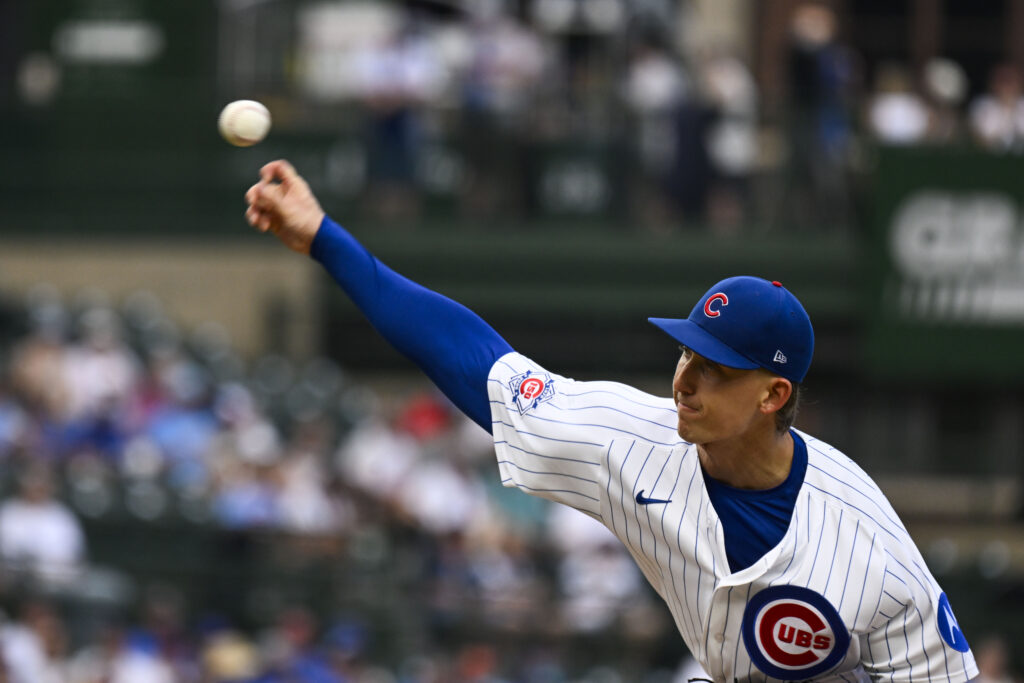
The Cubs' injury crisis deepened Wednesday when the team placed right-handed pitcher Ben Brown on the 15-day injured list due to a neck strain, one day after manager Craig Counsell announced that Edward Cabrera was headed to the IL with a hamstring problem. Both moves arrived within a 24-hour window, eliminating two significant rotation contributors and forcing the organization to shuffle depth pieces into high-leverage situations.
Brown's neck injury represents a particular loss. As a reliable mid-rotation arm, he anchors innings the Cubs cannot afford to hand to a parade of relievers deep into September. Cabrera's hamstring strain carries its own timeline risk—hamstring injuries in pitchers frequently recur or extend beyond the minimum 15 days when load management is mishandled. Chicago's starting depth, already thin after earlier-season injuries, now hinges on replacements who lack either velocity or command reliability at critical junctures.
The domino effect arrives immediately in the bullpen and spot-start decisions. With fewer trustworthy rotation innings available, the Cubs will lean harder on relief arms to eat frames, raising workload for position players who might otherwise rest. This dynamic depresses team run-scoring because manager decisions become reactive rather than planned—bench depth tightens, pinch-hitter availability shrinks, and the hitting lineup faces longer stretches without rest days.
From a betting standpoint, Cubs team totals warrant downward adjustment in the near term. Over the next 10-14 days—before Cabrera potentially returns or a legitimate depth arm is acquired—Chicago's win probability per game declines measurably because run production becomes fragmented around rotation gaps. Games started by replacement arms (likely minor-league call-ups or journeymen acquisitions) historically carry 6-10% lower run totals than games with established starters, both because opposing offenses attack earlier in counts and because Cubs hitters face longer rest intervals, denting their timing. The market typically prices Cubs totals without fully accounting for mid-season churn; if the line sits at 4.0-4.5 team runs over the next week, lean under that threshold.
Moneyline prices should also reflect this. A team missing two rotation arms simultaneously carries roughly 2-3% lower win equity per game over the next two weeks. Sportsbooks often fail to adjust moneylines for cumulative staff losses because the moves arrive compressed, creating a brief window where favorites remain overpriced. Chicago's next three contests—if facing non-elite offenses—may offer value on the under-side, but only if the Cubs are not large moneyline underdogs already (which would indicate the market caught the context). The damage here is real, but late acknowledgment by oddsmakers is the angle.
MLB Intelligence — Baseball intelligence beyond the box score. Open MLB Intelligence →