Cubs Rotation Depth Crisis Creates Extended Moneyline Vulnerability
By Erik Schwartz ·
Matthew Boyd's second IL stint exposes Chicago's shallow pitching bench at precisely the moment their 27-16 record demands sustainable arms.
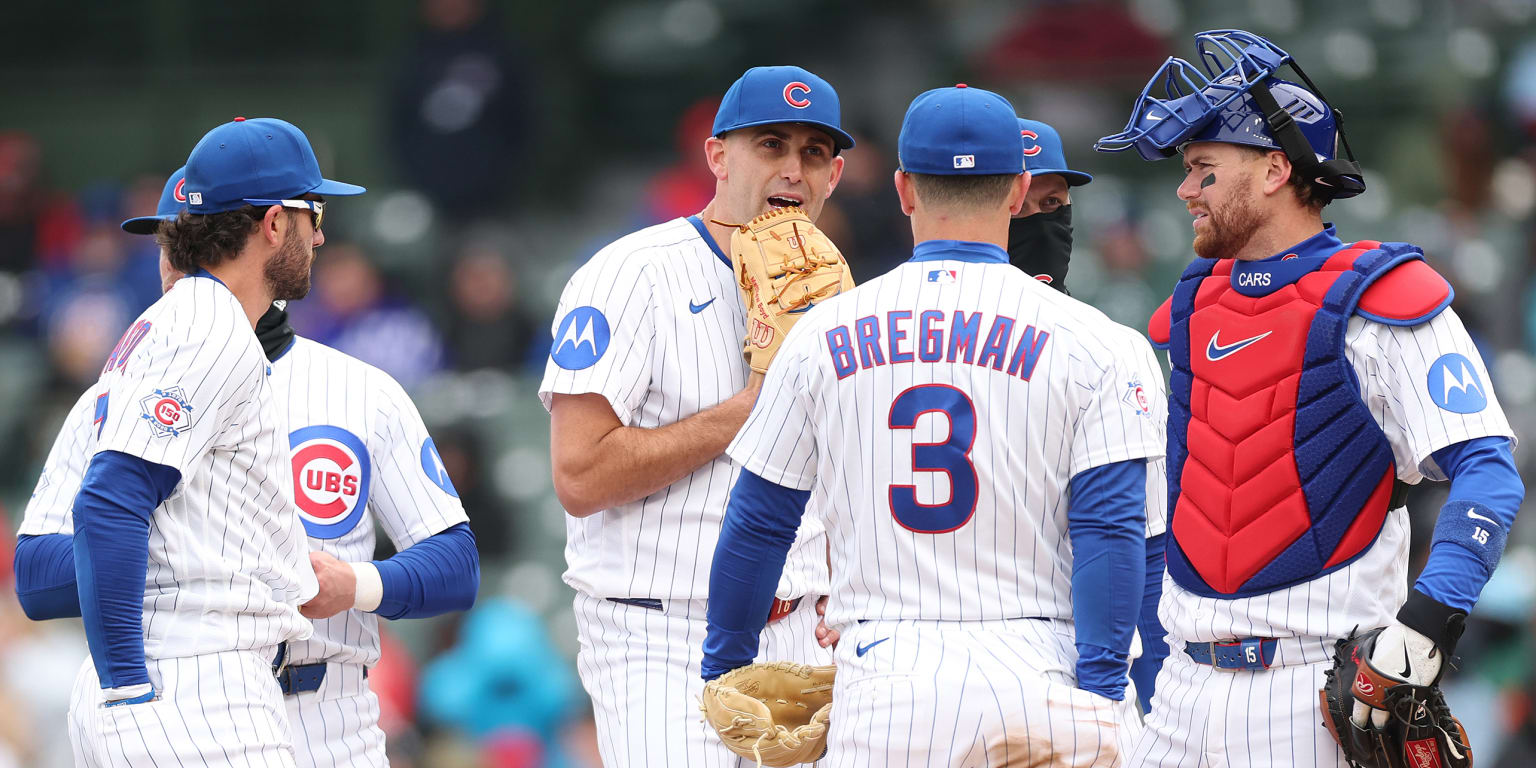
The Cubs entered Thursday leading the NL Central at 27-16 despite deploying 24 pitchers this season—11 of whom weren't on the Opening Day roster. Matthew Boyd, their 2025 All-Star and presumed opening day anchor, is now back on the injured list following meniscus surgery and will miss more than a month. Cade Horton is out for the season. Justin Steele suffered a setback in elbow rehab. The organizational cushion has evaporated faster than a May cold snap in Chicago.
Yet the Cubs' performance has been genuinely resilient. Their staff ERA sits at 3.86 (11th in MLB), with a starter ERA of 3.86 (eighth), which on paper makes no sense given the personnel churn. This isn't a case of statistical noise—Shota Imanaga, Edward Cabrera, and Jameson Taillon have been legitimate. The wild card is Ben Brown, who struggled as a starter (5.08 career ERA) before spending the offseason adding a sinker under Clay Holmes' tutelage. Brown posted a 2.10 ERA across 12 relief appearances with a .198 opponent batting average, then delivered four hitless innings against Texas in his rotation debut. If that mechanical adjustment holds, the Cubs have stumbled onto something.
Behind those names, there is almost nothing. Colin Rea, 35, has been steady (3.95 ERA, five-plus innings in five of nine appearances) but is a band-aid. Javier Assad has mixed strong and awful starts. The Triple-A depth chart offers Vince Velasquez, 33, with a 4.95 ERA at Iowa. Jaxon Wiggins, the legitimate prospect with upside to debut this year, is dealing with right elbow inflammation. Jordan Wicks is on a rehab assignment but carries a career 5.21 ERA in the majors.
The betting implication is straightforward: Cubs moneyline prices should reflect heightened variance over the next month. Brown's sinker breakthrough is real but unproven over 150+ innings. If he reverts to his historical starter profile, or if one of Imanaga, Cabrera, or Taillon hits the IL—which is not speculation, given the team's injury run—the Cubs' ability to pitch deep into close games collapses. Their bullpen has been worked. A team that has overperformed its depth will face steeper moneyline prices on road starts featuring any of the secondary rotation options. The market has not fully adjusted for the fact that Chicago's success has been bought with urgency and luck, not foundational depth.
Jed Hoyer's track record with low-profile trades (Drew Pomeranz in 2025) suggests a mid-season acquisition is coming. But that's a July conversation. From now through the All-Star break, the Cubs are operating on fumes and mechanical repairs. Their moneyline value deteriorates with each absence, and the market is still pricing them as a team with optionality.