Cubs' Injury Timeline Collision: Why the Rotation Overhaul Hits the Over Hard
By Ty Whitney ·
Chicago's pitching additions and staggered injury returns create a month-long deployment puzzle that will shrink rotation depth and spike bullpen usage right into the stretch.
The Cubs are operating with an artificial rotation ceiling for the next 28 days. Jameson Taillon, Edward Cabrera, Ben Brown, and Justin Steele are all sidelined or recently recovered, leaving Shota Imanaga, Colin Rea, David Peterson, Javier Assad, and Matthew Boyd—five starters for what should be seven or eight spots by late August. Chicago won't suddenly gain depth; it will lose it, at least temporarily, and that math cascades directly into bullpen leverage.
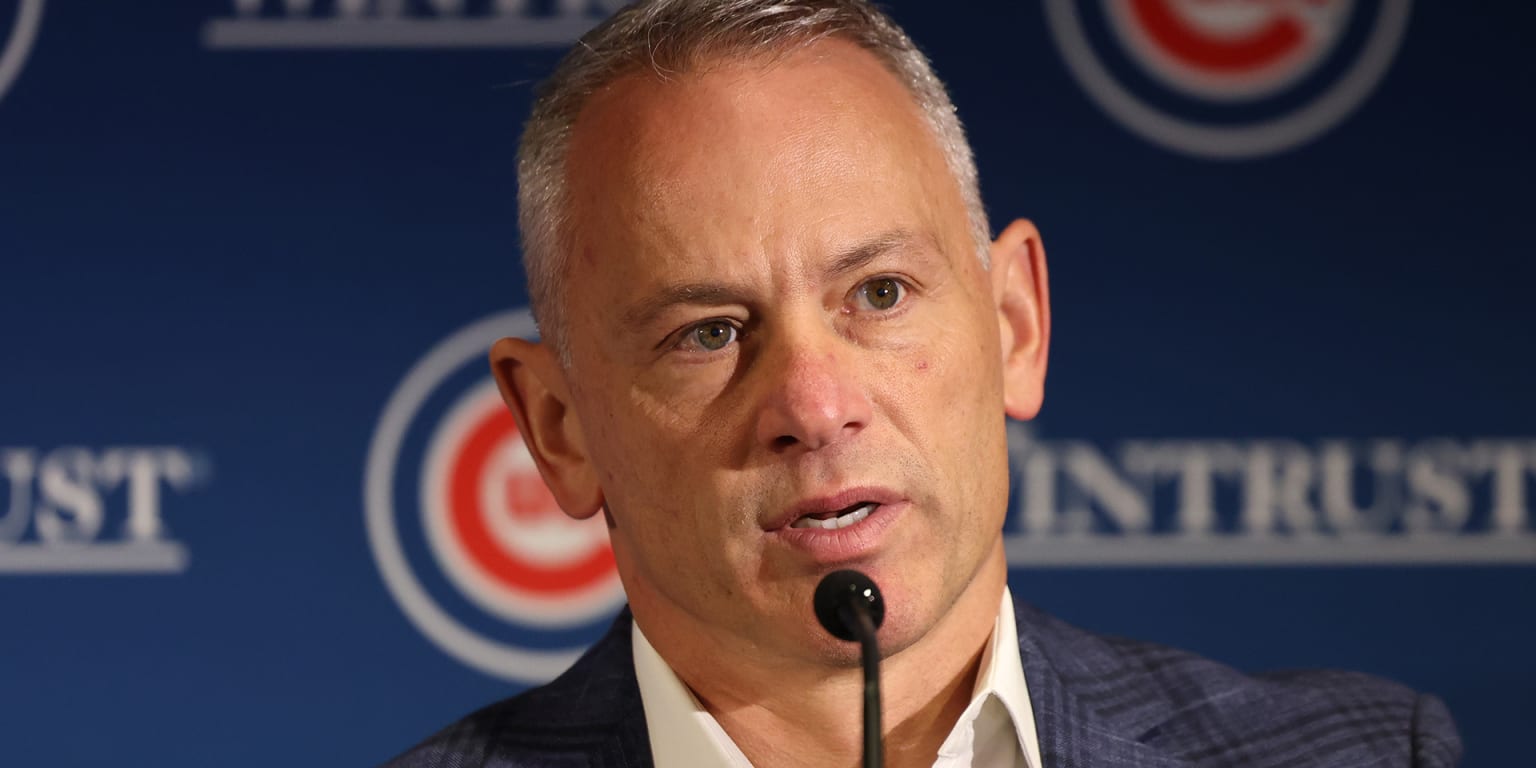
The Peterson acquisition from the Mets was a stopgap, not a solution. It bought time while the internal cupboard was bare, but it also signals Cubs president Jed Hoyer's calculation that waiting for multiple starters to recover in sequence is riskier than adding external help now. Taillon could return shortly after the All-Star break (which falls on July 14–15, making his target mid-to-late July). Cabrera's timeline stretches into August, and Brown—dealing with a neck stress reaction—is even more uncertain. Steele, on the 60-day IL since late April, is unlikely to pitch as a starter again this season, if at all. The Cubs are essentially operating on a four-starter rotation for the next month while the front office prays for staggered returns that might—might—bolster depth by September.
Hoyer framed the decision-making window bluntly: play well over the next four weeks, and the team can be selective about deadline moves; falter, and aggressive reinforcement becomes a matter of survival. That framing obscures the real constraint: even if the Cubs acquire another starter before August 3, they won't have enough healthy arms to rest anyone or move anyone to relief without gutting their rotation. The bullpen will carry disproportionate leverage. With a rigid position-player roster and no safety valve on the pitching side, Chicago will lean on its relievers harder than the standings suggest they should. Innings limits will compress, usage rates will spike, and fatigue profiles will steepen faster than normal—especially if Taillon's return is delayed or incomplete.
For prop bettors, the Cubs' team total and under lines become sensitive to relief appearance clustering. Any starter who departs early or skips a turn (injury caution, rest day, performance-based demotion) forces the bullpen into high-leverage work. The relievers who logged heavy volume in June will face even heavier workloads in July and early August. Cubs team totals should lean to the under through the July 31 deadline, not because the offense is broken—it isn't—but because the pitching constraint will artificially depress run support and lengthen games through relief wear. The market may still be pricing Chicago's ceiling on the assumption that Taillon and Cabrera return as starters and stabilize things. That's the mistake. Even if they do return, the compressed window means the Cubs will run thin on certainty, and thin rosters produce thin offensive environments.