Cubs Rotation Collapses: Brown's Neck Injury Forces Chicago Into Aggressive Deadline Trade Mode
By Ty Whitney ·
With four of five starting pitchers now sidelined, the Cubs face a month-plus without Ben Brown and must scramble the trade market for emergency rotation depth.
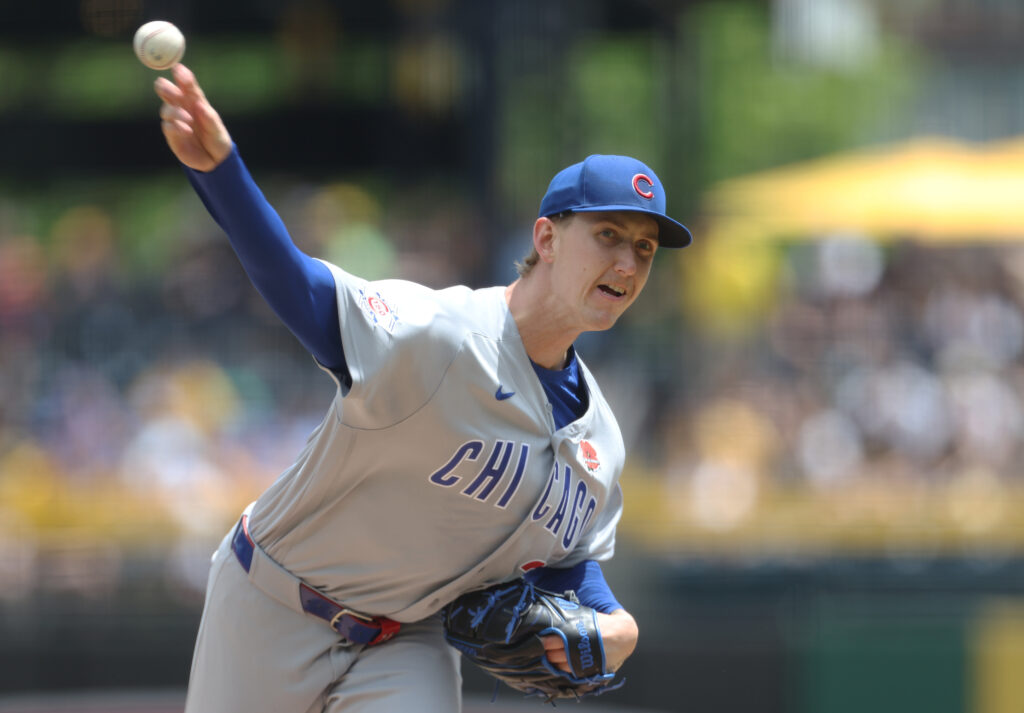
The Cubs' pitching staff entered June as a manageable concern. Now it's an organizational crisis. Ben Brown, the righty who slots into Chicago's rotation, has been diagnosed with a stress reaction in his neck—a diagnosis that carries far graver implications than the initial "neck strain" designation suggested. Manager Craig Counsell confirmed the injury will sideline Brown for more than a month, a timeline that effectively removes him from meaningful contribution through late July at the earliest.
The math is brutal. Prior to Brown's placement on the 15-day injured list earlier this week, the Cubs had already lost Steele and Horton to separate injuries. That's three of the team's top five starters now unavailable. A stress reaction in the cervical spine is not a soft-tissue tweak that responds to rest and anti-inflammatories—it signals structural fatigue in bone, which demands extended recovery and carries genuine risk of recurrence if the return timeline compresses. The Cubs didn't offer a concrete return date, which is the telltale sign that medical staff is taking a conservative approach. That conservatism is appropriate. It's also devastating for a team whose rotation depth chart has already been stress-tested past its breaking point.
This isn't a temporary staffing shuffle. This is a trade-market activation. The Cubs are actively scouring for starting-arm help, and they're doing it from a position of weakness. Any competent seller in the marketplace will see the Cubs' desperation and price accordingly. Chicago will need to part with meaningful prospect capital or absorb salary just to acquire mid-rotation competence—the kind of starter who would normally be a depth piece, not a rotation anchor. The calculus has shifted entirely: the team is no longer shopping for upside or lottery tickets; they're buying immediate durability.
For bettors, the Cubs' rotation availability directly suppresses their expected run production and inflates their opponent strikeout totals. A rotation operating at 70% of full capacity will hand opposing lineups more fastballs in hittable counts, more walks, and fewer innings pitched before the bullpen is overtaxed. Team totals under for Chicago become more attractive as the emergency replacements take the ball—not because the Cubs are worse hitters, but because the offense will face longer bullpen stints from opponents who can afford to deploy fresh arms against a team known to be short-staffed. Over the next four to six weeks, Cubs games carry a structural under bias tied directly to this rotation depletion. Monitor the trade wires closely; if Chicago acquires a low-ceiling starter, that bias persists. Only a legitimate rotation arm—a true number-three or better—shifts the calculus back toward balance.