MLB · injury
Matthew Boyd's Meniscus Surgery Reshapes the Cubs' Rotation — and Their Team Total Outlook
A freak injury that didn't happen on a mound or in a batter's box is now one of the more consequential roster moves Chicago has made this month.
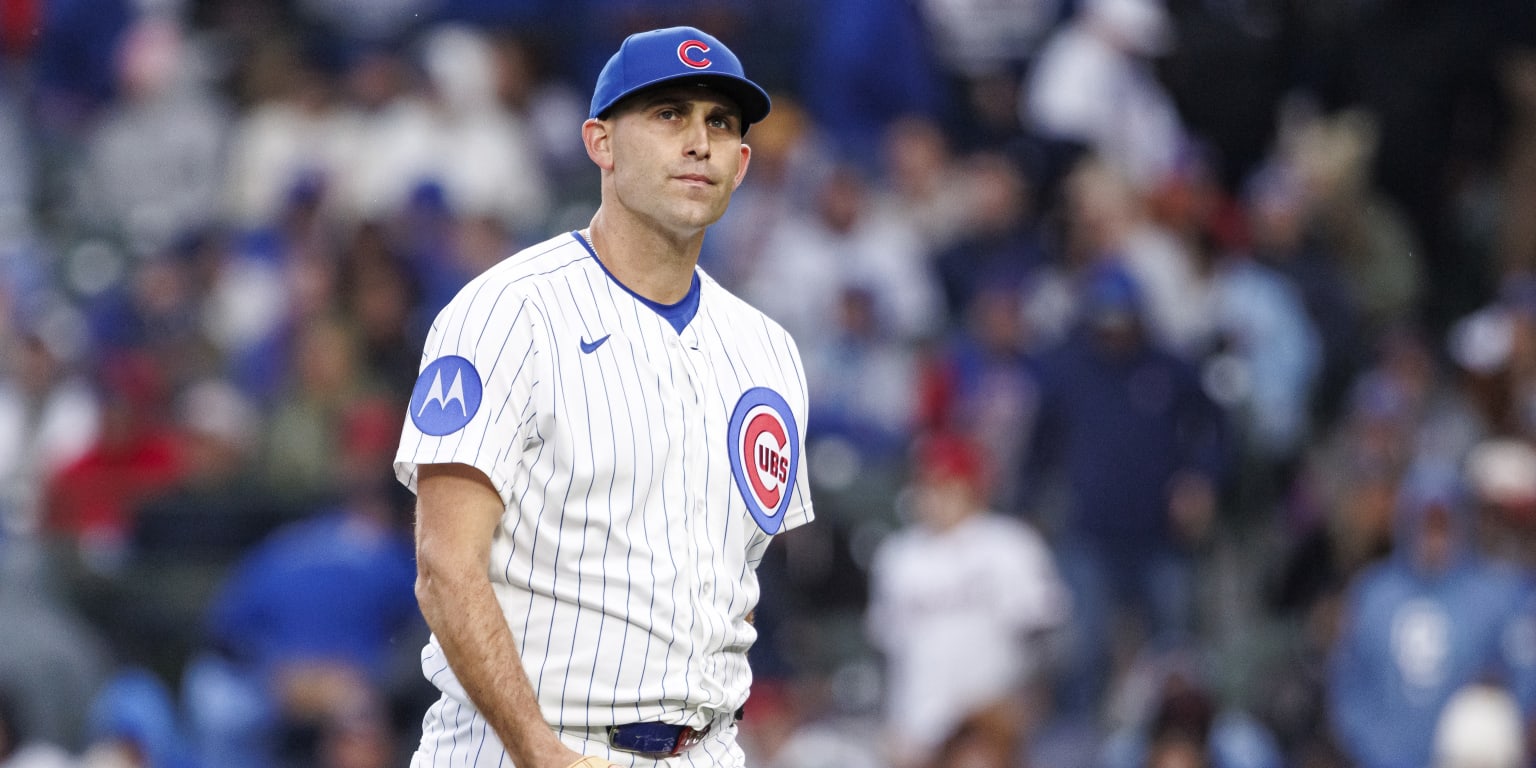
As MLB.com reported Wednesday, Cubs left-hander Matthew Boyd is heading to the 15-day IL after tearing his left meniscus — not on a rehab assignment, not diving for a comebacker, but while sitting down to play with his kids at home. Manager Craig Counsell confirmed Boyd will undergo surgery, with no timetable set for his return. The Cubs simultaneously added reliever Trent Thornton to the active roster and designated left-hander Charlie Barnes for assignment.
Boyd's 2025 numbers weren't inspiring — a 2-1 record masking a bloated 6.00 ERA across five starts — but his absence still matters. He was absorbing innings in a rotation that has already been tested by health and depth concerns this season, including his own earlier IL stint with a left biceps strain. The Cubs were threading a needle with Boyd as a back-end starter eating up starts while the front of the rotation carried the load. That needle just snapped.
The Thornton addition tells you everything about how Chicago is solving this problem in the short term: they're not. Thornton is a bullpen arm, not a starter, which means the Cubs are either going to stretch someone from within or lean on a piggyback/opener structure for Boyd's slot in the rotation. Either path adds stress to a relief corps that will now absorb additional innings on days Boyd was projected to work deep into games — however shallow that depth actually was at a 6.00 ERA.
For bettors, the ripple effect lands squarely on Cubs team totals and first-five-inning lines. When a back-end starter is replaced by committee pitching or a converted reliever making a spot start, run environments expand. Opposing offenses see shorter outings, higher leverage situations earlier, and more exposure to arms working outside their natural roles. Lean toward the over on Cubs opponent team totals in Boyd's projected rotation spot until Chicago names a clear replacement. The first-five-innings line is the sharper angle — teams deploying openers or piggyback starters routinely surrender runs at a higher clip before the fifth inning is complete, making F5 overs and NRFIs worth monitoring game-by-game against the Cubs' patchwork rotation slot.
Meniscus surgery recovery timelines vary widely — four to six weeks on the optimistic end, potentially longer depending on the procedure — so don't expect Boyd back before late June at the earliest. With no return date set and the Cubs offering no clear rotation alternative, this is a sustained market inefficiency worth tracking across the next four to six weeks of Chicago's schedule.
MLB Intelligence — Baseball intelligence beyond the box score. Open MLB Intelligence →