MLB
Cardinals Offensive Reset Is Real—And the Market Is Catching Up Too Slow
St. Louis swapped underperformers for hot prospects three weeks ago; the lineup's spike in production isn't noise, and team totals haven't fully repriced.
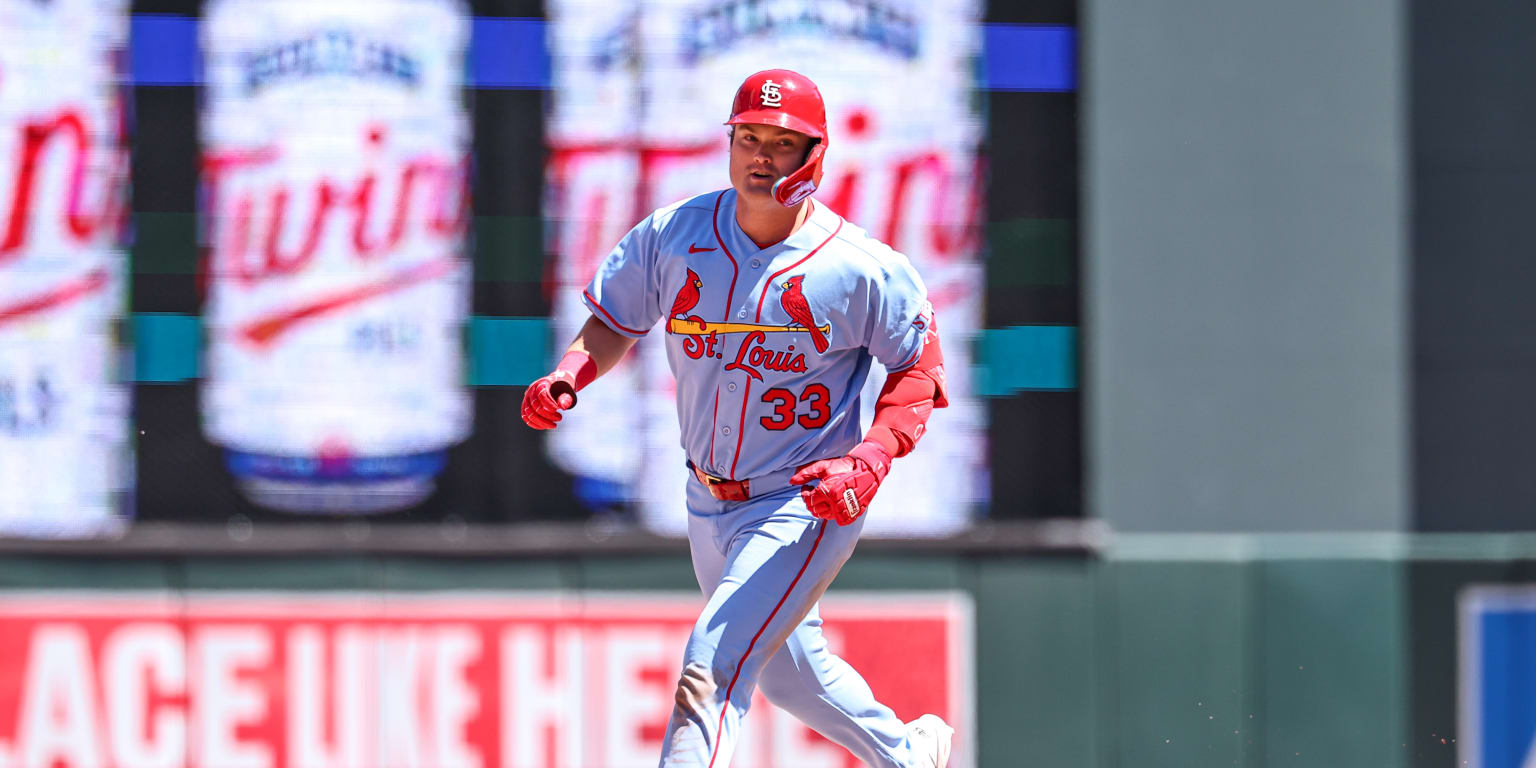
The Cardinals' roster surgery began in earnest on May 29, the day after a three-game sweep by Milwaukee capped a 2-7 stretch that had left their offense dormant. Chaim Bloom's front office didn't wait for a statistical correction. They promoted Jimmy Crooks, Nelson Velázquez, and Blaze Jordan from Triple-A Memphis; brought back Lars Nootbaar and Nathan Church off the injured list; and handed reduced roles or Triple-A transfers to several everyday players who weren't delivering. That was 17 days ago. The outcome isn't a small variance blip—it's a structural shift.
Since that pivot, St. Louis ranks in baseball's top 10 in batting average (.277), on-base percentage (.349), slugging percentage (.464), and runs scored (80 in 17 games). Those aren't one-week anomalies. The promotions weren't desperation moves; they were validation of players who had earned opportunities through strong production at Memphis. Blaze Jordan, in particular, arrived having forced the organization's hand—he wasn't on the Major League radar at third base until Nolan Gorman's late-May collapse (.060 in his final 50 at-bats) and Ramón Urías' injury setback made the promotion logical. Jordan has since delivered four hits in three games, outpacing what Gorman managed in his full final stretch.
What matters more than the individual performances is the competitive structure Bloom has created. Playing time is no longer a birthright for prospects or aging regulars. Strong performance gets rewarded. Struggles get addressed. The Cardinals aren't yanking players after one bad week—Scott and Gorman received more than two months of regular work before the organization adjusted—but they're also not paralyzed by past investment or prospect pedigree when a different development path becomes necessary. Jordan Walker's arc last year (Triple-A reset, offseason work, now an NL MVP candidate) demonstrates how perceived setbacks can accelerate development when managed deliberately.
For betting purposes, the spike in offensive production is durable, not a recency mirage. The Cardinals promoted players performing at sustainable rates in Triple-A, not chasing one-week hot streaks. The lineup composition has improved measurably: younger, faster contact hitters replacing slower, swing-and-miss prone regulars. Oliver Marmol now has more bench flexibility, which increases the quality of late-game offensive options. The market has partially repriced St. Louis's run environment (team totals have drifted upward over the past two weeks), but not completely. Sportsbooks typically lag behind front-office resource allocation by 5-7 days. If that curve holds, team totals on Cardinals games over the next week remain undervalued relative to the sustained talent upgrade.
The residual edge: Cardinals team totals against pedestrian pitching or teams with poor bullpen depth still carry value in the 4.5–5.5 range. The lineup is deeper, faster, and more aggressive than it was on May 28. That's not opinion—it's roster composition. Books are catching up, but they haven't fully repriced the utility of multiple everyday changes working in concert.
MLB Intelligence — Baseball intelligence beyond the box score. Open MLB Intelligence →