MLB · transaction
Peralta's Deadline Audition Becomes High-Stakes Rehab for Trade Value
The Mets' starter pitches Friday night with scouts watching and his market price hanging on performance; weak recent outcomes leave little margin for error.
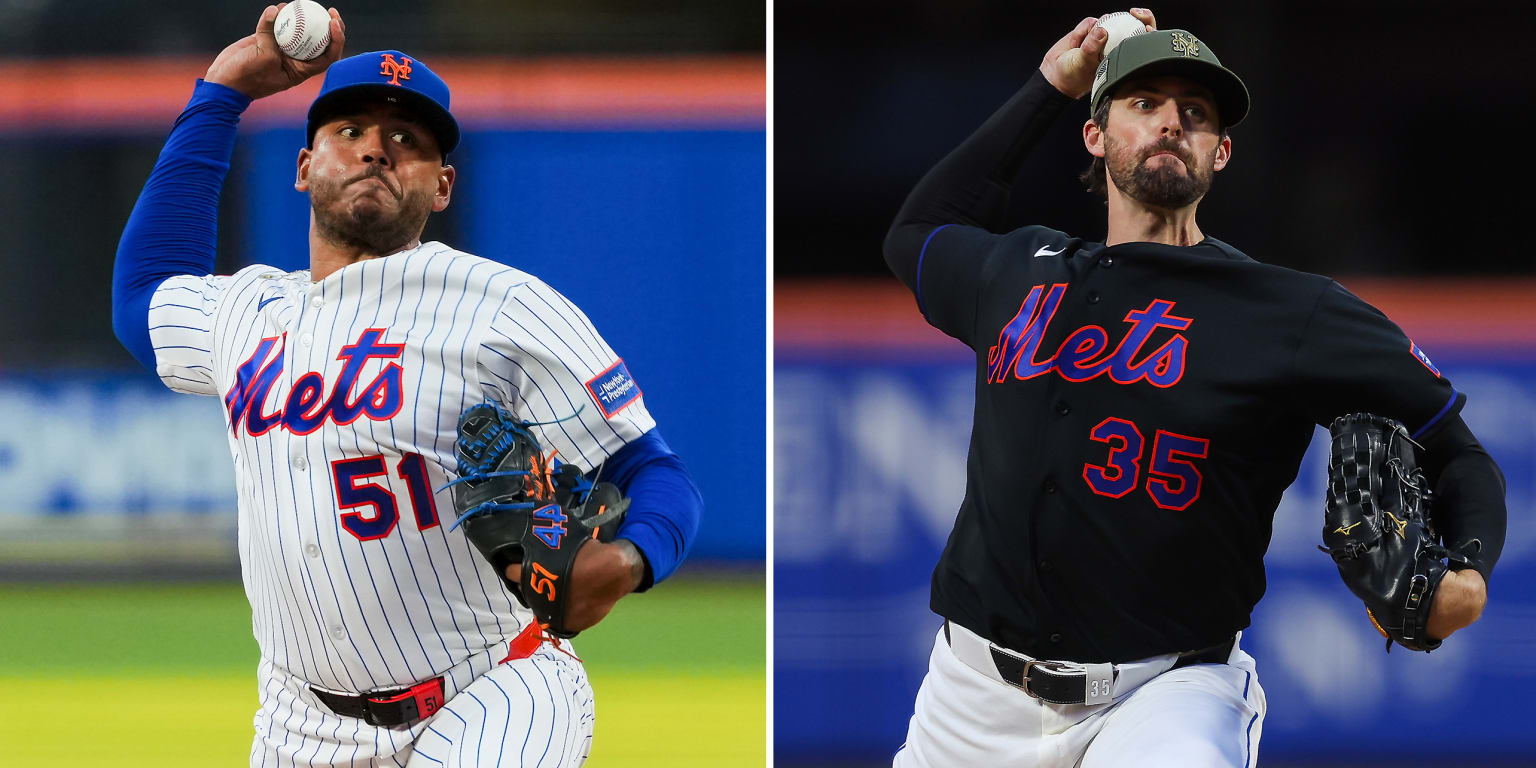
Freddy Peralta takes the mound against Miami on Friday night in what amounts to a live-action tryout for contending teams. The Mets haven't ruled out trading him before Monday's 6 p.m. ET deadline, and a strong performance could shift his market value in the final 72 hours of negotiation. The calculus is brutal: Peralta owns a 7.34 ERA over his last nine starts and sits at 4.99 for the season across 22 outings. A rival evaluator pegged his return value at a single prospect in the 5-10 range on a team's Top 30 list—modest compensation for an expiring contract. One respectable outing changes that conversation.
Holmes, by contrast, enters from a position of strength. The reliever completed a clean rehab assignment with four scoreless innings at Single-A St. Lucie earlier this week after missing since mid-May with a fractured right fibula. Scouts from Texas, Tampa Bay, and Chicago attended that appearance, signaling serious buyer interest. Unlike Peralta, Holmes doesn't need to pitch Sunday before the deadline to retain his value; his pre-injury track record (2.39 ERA in nine starts) already speaks louder than any final tune-up. The Mets are unlikely to risk re-injury or diminished performance by rushing him into game action when trade partners have already seen enough.
The deadline mechanics create a secondary layer of volatility for both pitchers. Peralta's start on Friday becomes his last realistic audition—missing that window means his value stays anchored to his recent 7.34 ERA spiral. If he pitches poorly against Miami and remains unsold, the Mets inherit a pitcher who's underperformed relative to contract and market expectation. Holmes, assuming he doesn't take the ball Sunday, will be traded or held based on organizational conviction rather than one final performance variable. That asymmetry is where the betting leverage emerges.
From a prop perspective, Peralta's strikeout line carries elevated risk through the weekend. His K-rate over those nine weak starts dipped to 7.8 per nine innings—below his season average of 8.2—suggesting either mechanical issues or reduced effort in a lame-duck situation. Miami ranks 14th in strikeout rate against righties, not particularly generous. Bettors backing the over on Peralta's strikeout prop at opening numbers should expect tighter pricing after Friday's start; if he underperforms, the line will contract sharply. Conversely, if he punches out 8+ batters Friday, his next-scheduled appearance (if he remains a Met) would see the line shift up 10-15% by Tuesday. The single-game variance is extreme, which means early action on his next K prop—regardless of outcome Friday—will likely be erased and repriced before his next actual start.
Holmes' absence from Sunday's game plan actually stabilizes his prop markets. Relievers who don't pitch into the deadline typically see their usage props (strikeouts, innings) fade or void entirely. The absence of a Sunday start removes one data point of uncertainty and locks his trade value into place. For bettors, this is a fade window: any strikeout or innings prop involving Holmes at a contending club (Texas, Tampa, Chicago) should wait until Saturday evening or later, when trades become finalized and his new team's role clarity emerges. Friday's bullpen session will tell evaluators whether he's ready; the market is already pricing in high probability of a trade rather than a Sunday start. That conviction shouldn't surprise anyone familiar with deadline triage—a pitcher on an injured list with proven pre-injury stuff is a more attractive asset in transit than one fighting through recent ineffectiveness.
MLB Intelligence — Baseball intelligence beyond the box score. Open MLB Intelligence →