The Deadline Shuffle: Why Ground-Ball Pitchers and Platoon Advantage Matter in October Baseball
By PropBetEdge Editorial Team ·
Four deadline acquisitions carry measurable mechanical edges in their new environments—and the market hasn't yet fully priced the ballpark and defensive implications.
The 2026 trade deadline delivered the expected headlines: Adley Rutschman, José Soriano, and a flurry of bullpen upgrades. But beneath the star power sits a more useful pattern. Several mid-rotation arms and position players moved into situations where their specific skill sets align with organizational strengths—and where the numbers suggest tangible run-creation or run-suppression gains over the final 58 games.
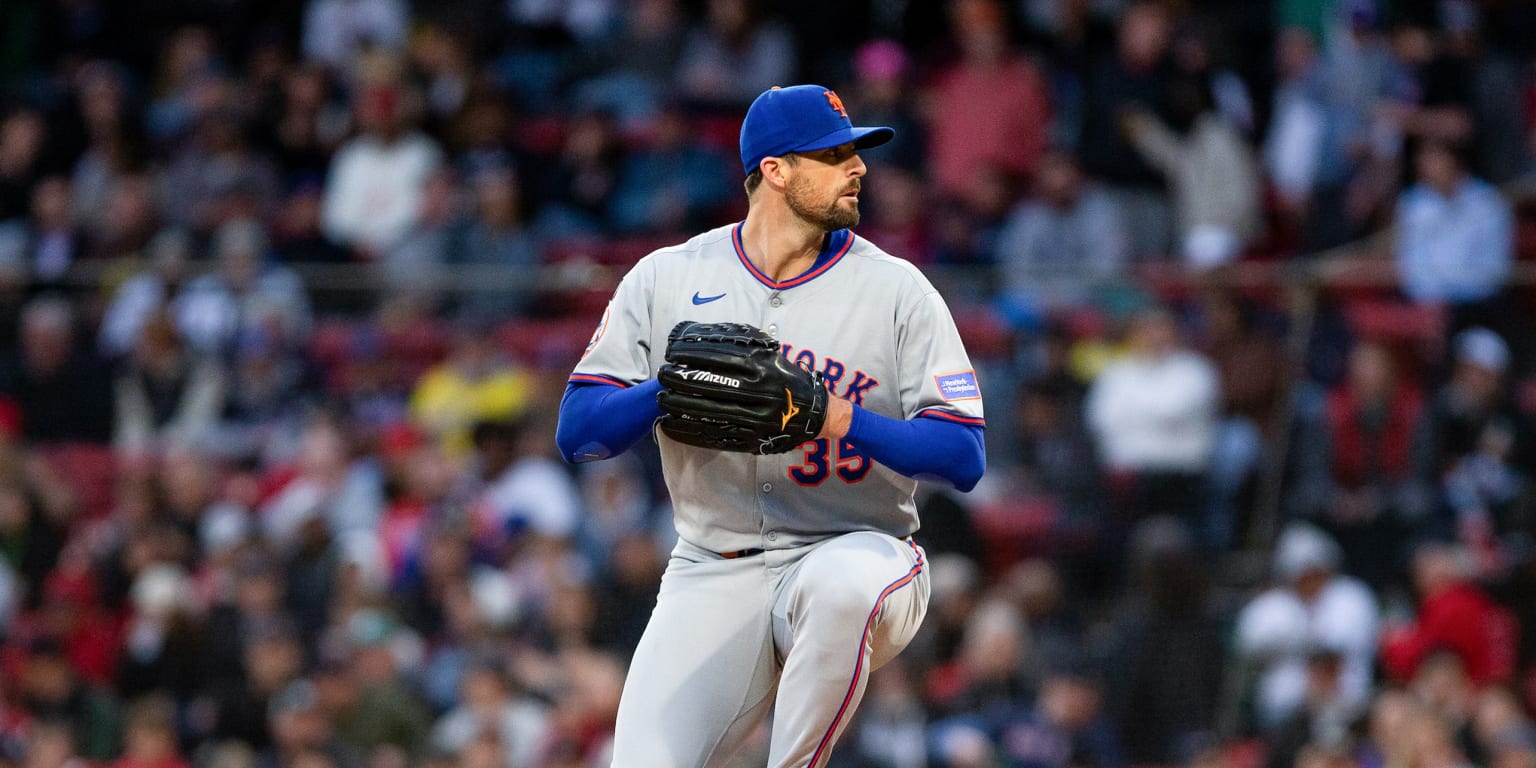
Clay Holmes landed in Chicago on a premise so straightforward it almost reads as obvious: the Cubs' defense is built to capitalize on ground-ball pitchers. Holmes has induced a 55.3% ground-ball rate this season and carried a 2.39 ERA through nine Mets starts before a fractured right fibula sidelined him. The Cubs rank first in MLB fielding run value overall and second in infield defensive metrics. David Peterson—acquired by Chicago earlier this season with a 49.5% ground-ball rate—has allowed no more than two runs in five of his six outings since the trade. Holmes is slated to return this weekend in Kansas City; when he takes the mound in Wrigleyville, the defensive infrastructure is already calibrated for his pitch profile. That's not a guess. That's infrastructure.
José Soriano's move to Toronto mirrors Holmes' logic but with a larger runway. Soriano owns a 52.3% ground-ball rate and a 24.9% strikeout rate over 22 starts, despite a dip from an 0.84 ERA through seven early outings to a 3.29 ERA overall. The Angels' infield ranked 24th in fielding run value; Toronto sits at 13th. That gap—11 spots—translates to roughly 15-20 runs of defensive support over a full season, or roughly 3-4 runs per team per 58-game sprint. The Blue Jays have also demonstrated they can unlock pitcher potential; Dylan Cease's transformation into a legitimate ace is instructive. Soriano remains under club control through 2028, meaning the front office is hedging on a mechanical correction or an organizational environment that suits him better.
Heliot Ramos carries a different edge: ballpark-driven power upside. Statcast projects 13 home runs for Ramos if he played all 162 games at Yankee Stadium versus nine actual long balls hit this season. Ramos owns a career .845 OPS against left-handed pitching—a platoon split the Yankees can weaponize in late innings and October matchups. With 20-plus home runs in each of the past two years, his bat is not the variable; opportunity and park factor are. The Yankees' right-field dimensions, particularly the short porch in the opposite field, cater directly to Ramos' right-handed swing profile. Over the final two months, expect Ramos to see elevated fastballs early in counts and reduced velocity off-speed stuff when he faces left-handers.
Freddy Peralta's acquisition by Tampa Bay is the wildcard—his 4.99 ERA before the trade signals regression, not hidden talent. But the Rays have constructed a changeup-heavy organizational framework. They've thrown the pitch at a 21% rate this season, the highest frequency in the Statcast era since 2015. Peralta's changeup has been hit hard in 2026, but Tampa Bay's history of pitch sequencing adjustments suggests a second-look scenario is plausible. This edge is the faintest of the four because Peralta's underlying stuff deterioration is real; a mechanical tweak won't resurrect a 4.99 ERA into sub-3.50 territory in 58 games.
For prop bettors, the machinery here is tangible. Ground-ball pitchers on elite defenses will see lower home-run rates and fewer hard-hit balls in play; strikeout props on Holmes and Soriano may compress downward as their new teams record more contact-based outs. Ramos' home-run total against left-handed pitching should tick upward, especially late in games when the Yankees deploy him as a platoon weapon. Peralta's strikeout rate is the only uncertain mechanism; if the Rays' changeup work yields results, his K/9 climbs. If not, his ERA stays bloated and the trade looks hasty by October.