MLB
Alex Cora Fired: What Boston's Managerial Chaos Means for Red Sox Betting Lines
A 10-17 start cost Alex Cora his job — and now the Red Sox are a franchise in free fall with a rookie interim skipper and a roster that still hasn't figured out what it is.
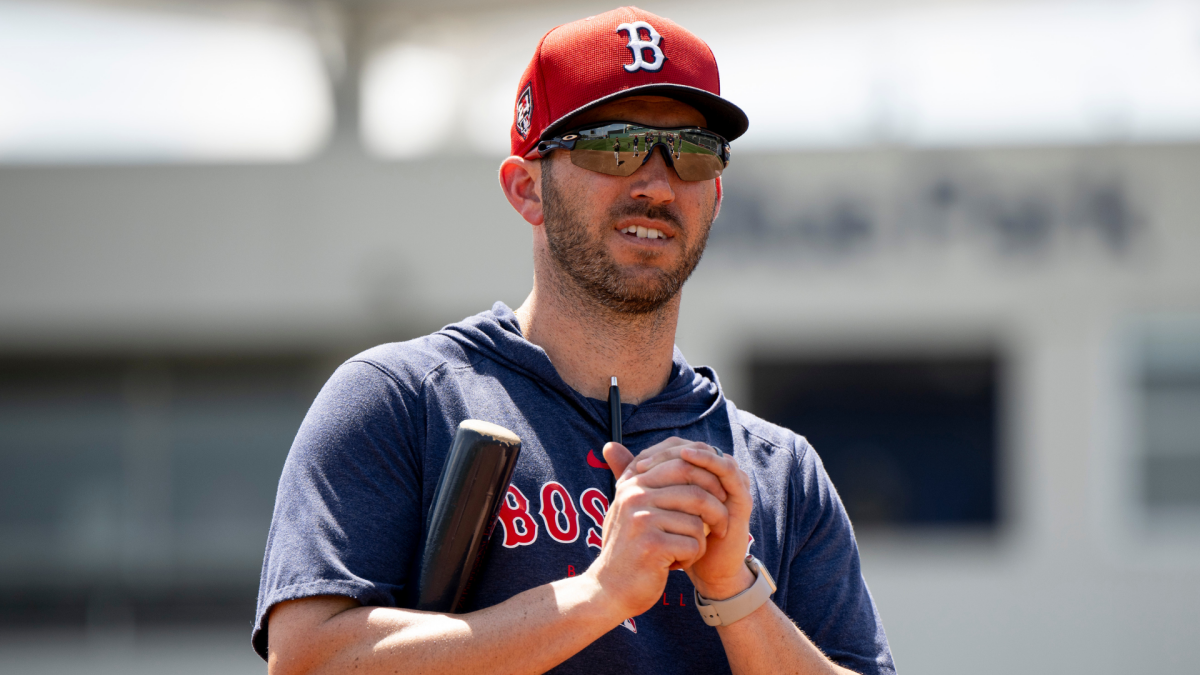
Alex Cora is out in Boston. The Red Sox dismissed their manager Saturday following a blowout win over Baltimore — a jarring, only-in-baseball moment where a lopsided victory doubled as a pink slip — ending a second tenure that spanned parts of seven-plus seasons. The move came with Boston sitting 10-17, last in the AL East, a genuinely stunning position for a team that added veteran depth this past winter off an 89-win 2025 campaign and arrived in spring training with legitimate playoff aspirations.
Chad Tracy, 40, takes over as interim manager immediately. He's been running the Worcester Red Sox at Triple-A since 2022, going 322-296 (.521) and posting a 13-11 start this season. Tracy is a competent minor-league lifer, but nothing in his resume suggests he has the tools to arrest a big-league skid rooted in underperformance from expensive veterans. The job is his to lose — if he stabilizes the roster and climbs the standings, Boston's front office will likely hand him the keys permanently in the offseason. If he doesn't, expect a genuine managerial search targeting names like Rocco Baldelli (three division titles in Minnesota, known for player relationships and analytics fluency) or Ryan Flaherty, currently absorbing Craig Counsell's methods as bench coach in Chicago.
The structural problem in Boston isn't tactical — it's talent deployment and roster construction. Cora wasn't fired because he drew up the wrong lineup cards. He was fired because ownership needed a scapegoat for a roster that is failing to perform at the level it was built to reach. A new voice in the dugout, especially an unproven one, doesn't fix that. Tracy inherits the same lineup questions, the same bullpen volatility, and the same offensive inconsistency that sank Cora. Managerial transitions historically produce a short-term emotional bump — call it the Firing Manager Effect — but it rarely sustains beyond two weeks without underlying talent responding.
For bettors, this situation is quietly actionable in a few directions. The Red Sox's team totals deserve attention during this transition window. Boston ranks near the bottom of the AL in runs scored, and the lineup restructuring that typically accompanies a managerial change introduces short-term unpredictability — meaning variance in run production, not improvement. Lean toward Red Sox team totals staying low (under 4 runs) in the next 7-10 days until Tracy's lineup preferences clarify. On the opponent side, Boston's struggling rotation and shaky bullpen make them attractive targets for opposing offenses; watch for inflated opposing team totals to hold value as books recalibrate for the regime change. The spread market will likely overcorrect — expect Boston's moneyline to drift longer as public bettors pile on a last-place team in transition, which may create short windows of value if Tracy's lineup settles faster than the market expects.
The larger betting narrative here is one to monitor across the full season arc. If Tracy genuinely rights the ship — Boston has the roster to run off a stretch — books will be slow to shorten their division odds and playoff odds, creating a window for patient bettors. Conversely, if this team sinks to 10-22 or worse, the Red Sox become a near-automatic fade in close games and a reliable under on team totals for the foreseeable future. Watch the first two Tracy-managed series closely. The market will tell you everything.