Red Sox Clinch Wild Card After Erasing 15.5-Game Deficit—What It Means for October Betting
By Justin Erickson ·
Boston went from organizational crisis to playoff lock in under three months, but late-season volatility and thin pitching depth will shape their October ceiling.
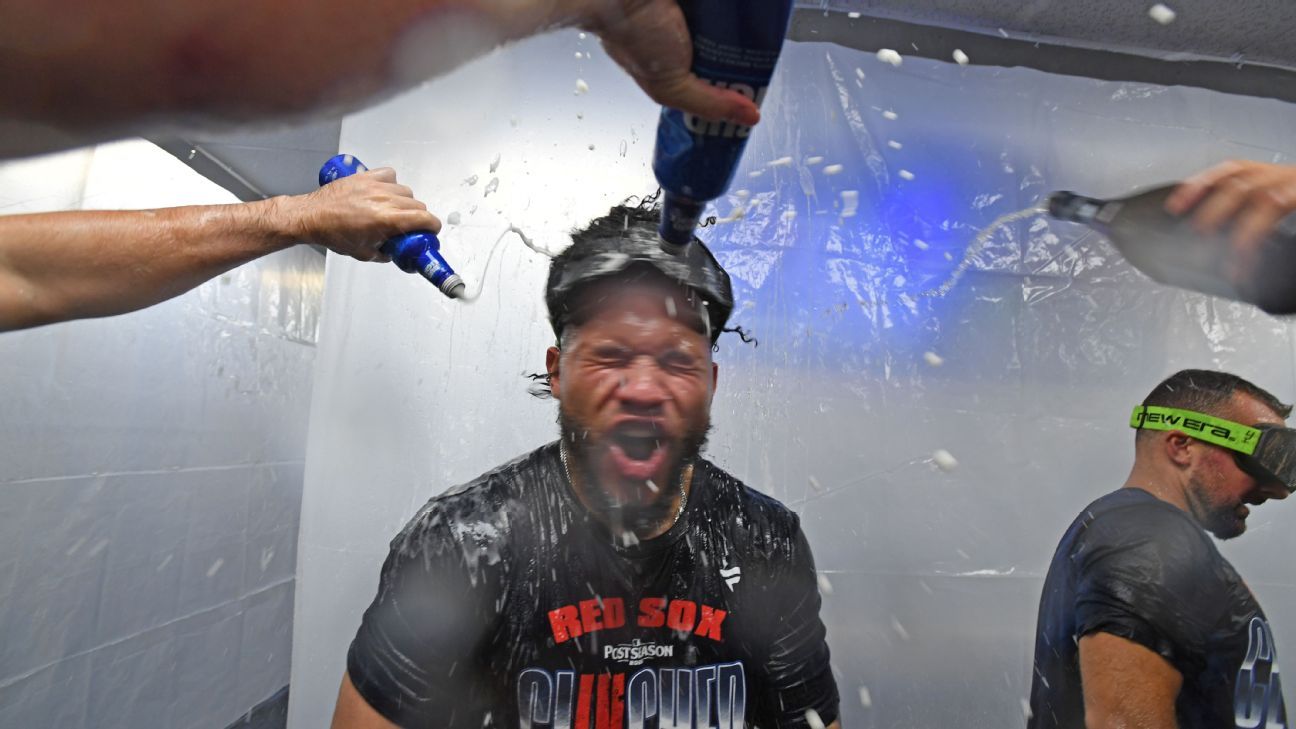
The Boston Red Sox secured a wild-card berth on Sunday when the Houston Astros fell to Atlanta, completing one of baseball's most dramatic mid-season reversals. On June 24, the Red Sox sat 32-46 and trailed the AL East by 15.5 games. Since then, they have compiled a 52-25 record over 77 games—a .675 win percentage that would extrapolate to 109 wins over a full season. They clinched without winning on their own terms (Tampa Bay beat them 5-1 in the series finale), but the math was inescapable. Boston is in October.
The turnaround began with immediate instability at the helm. Manager Alex Cora was dismissed on April 26, 2026—147 days ago—and interim Chad Tracy took the role. Since Tracy's appointment, the Red Sox have gone 74-55. That record improvement alone doesn't explain a 15.5-game swing; it speaks to something deeper: a roster that was malformed under prior direction and needed a different tactical voice to activate its talent. Willson Contreras, acquired midseason, has been the offensive centerpiece, and the supporting cast around him (Roman Anthony in left field, Trevor Story at shortstop) found consistency when it mattered. The Red Sox didn't acquire a marquee rental at the deadline; they salvaged depth and trust.
Historically, this type of comeback carries narrative weight but not predictive edge. The Red Sox are the fourth team since 1903 to make the playoffs after trailing by 14-or-more games under .500 in the same season. Two of the three prior instances reached the World Series. But those deep runs came from teams with established star power (the 1914 Braves, for example) or rotations anchored by elite starters. Boston's pitching staff lacks that foundation. Their playoff rotation will lean on mid-tier arms and bullpen depth—a configuration that tightens margins in elimination games. The Astros, Rangers, and Orioles all have more reliable frontline rotation security.
For prop bettors, this clinch creates a bifurcated opportunity window. In the wild-card round itself, Boston's offense will carry outsized leverage because their pitching can't absorb extended playoff series. Look for Contreras and Story to see elevated usage in high-leverage situations—their batting prop overs become more valuable in a single-elimination context where the Red Sox cannot afford patience. The inverse is true for their pitching: volume overs on starter strikeout props carry hidden risk because Boston may be forced into early bullpen deployment. Team totals in a wild-card game should skew toward overs if they face a pitcher without dominant stuff; the Red Sox lineup has proven it can generate runs in compressed sample sizes. However, if seeded against a top-tier starter (likely, given their wild-card status), team total unders gain credibility because Boston's long-ball power isn't elite—their runs come from baserunning and contact quality, both of which compress in short series against dominant fastballs.
The larger October picture tilts toward fade. Boston's second-half surge was real, but it was also fueled by facing mid-tier AL East and West competition down the stretch. Their strength of schedule improved when they were already vulnerable; they didn't suddenly develop a rotation. Moneyline odds in any potential series against Houston, Kansas City, or Baltimore should reflect this pitching gap. The Red Sox will be the betting underdog in every matchup, and deservedly so. The sentiment around this team—"they stayed alive when nobody thought they could"—is the kind of narrative that markets overprice. Fade the Red Sox in multileg playoff propositions where rotation stability is required.