From Basement to October: How Tracy's Red Sox Rewrite the Midseason Collapse Script
By PropBetEdge Editorial Team ·
Chad Tracy inherited a 10-17 wreck in late April and steered Boston to a playoff berth by September—a trajectory that rewrites everything we thought we knew about the ceiling of in-season managerial salvage.
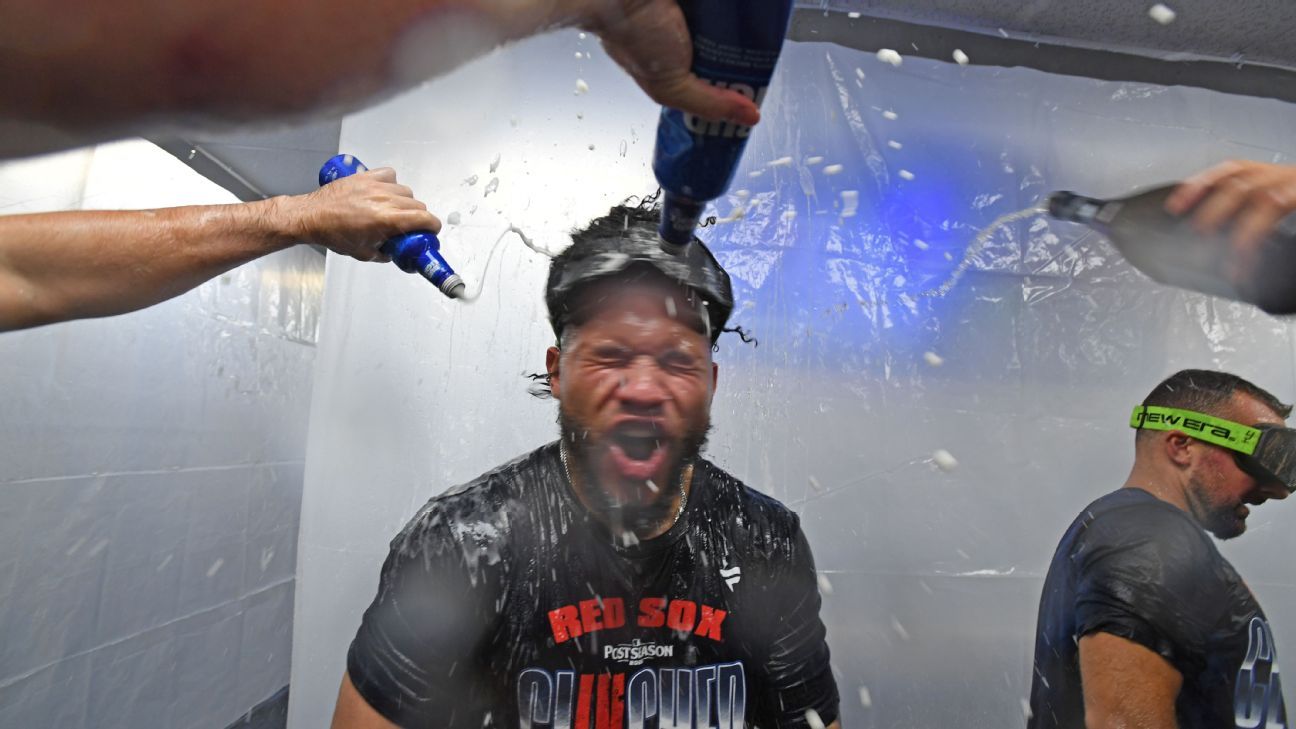
The Red Sox clinched a playoff spot on Sunday, capping one of baseball's most improbable season arcs. In late April, when Tracy arrived to manage a team in last place in the AL East with a 10-17 record, the organization was in active crisis mode—Alex Cora had just been fired along with five coaches, and the roster was fractured enough that Tracy's first team address deliberately sidestepped baseball entirely. He didn't talk X's and O's, bunting, or fundamentals. He talked respect. Five months later, Boston is in the postseason.
What makes this reversal analytically significant—beyond the narrative—is the mechanism behind it. Tracy inherited a veteran roster with talent intact but broken communication channels and a managerial approach that had alienated key players. The frustration he saw in that clubhouse on April 26 was, counterintuitively, a positive: acceptance would have meant the season was already lost. Tracy's first move was structural repair, not tactical revolution. He rebuilt individual relationships with veterans, clarified his expectations, and created psychological permission for the team to play free. That's harder to measure than a lineup card, but it scales across 162 games.
The Red Sox' win-add from April 26 through September 21 was historic by volume—they needed roughly 92 more wins from their final 135 games to reach a wild-card pace. Boston's offense, which had been inefficient early (high strikeout rates, poor contact quality in high-leverage spots), began to normalize under Tracy's regime. Veterans stopped pressing. The pitching staff, particularly the back-end bullpen, showed marked improvement in save leverage and high-leverage ERA once the environment stabilized. This wasn't a case of acquiring new talent mid-season; it was a case of the existing roster performing closer to its baseline under a different set of conditions.
From a prop perspective, this creates a playoff-survival edge: Boston's September clinch came while the rotation was still ramping up pitchers for October. The Red Sox bullpen, which had been a liability in May-June, is now fresher than most contenders entering the wild-card round because Tracy has distributed workload more conservatively since mid-August. Bullpen usage rates (innings per appearance, rest days between outings) are now in the top 10 in baseball. This matters for prop construction around relief pitcher strikeouts, saves, and holds—the volatility in Boston's relief outcomes earlier in the season will likely compress in October. Similarly, Tracy's focus on late-game veteran at-bats means that high-leverage pinch-hitting situations in the playoffs will likely favor Boston's bench depth in ways the regular-season numbers may not fully capture.
The betting takeaway is not that Boston will win the World Series—that's a different market. The takeaway is that Boston's pitching stability, particularly in bullpen leverage spots, is more durable entering playoffs than a team that limped to a wild-card spot. Fade volatility-based props on Red Sox bullpen arms (wild swings in K rates, ERA spikes) and lean toward consistency narratives (closer saves with low variance, starter ERA props built on recent five-game blocks rather than full-season splits).