NHL
Chayka's Leafs Overhaul: A Roster Built on Urgency, Not Patience
Toronto's new GM moved 36 percent of the roster in three months, betting everything on a two-year Matthews window and hoping depth carries where star power alone could not.
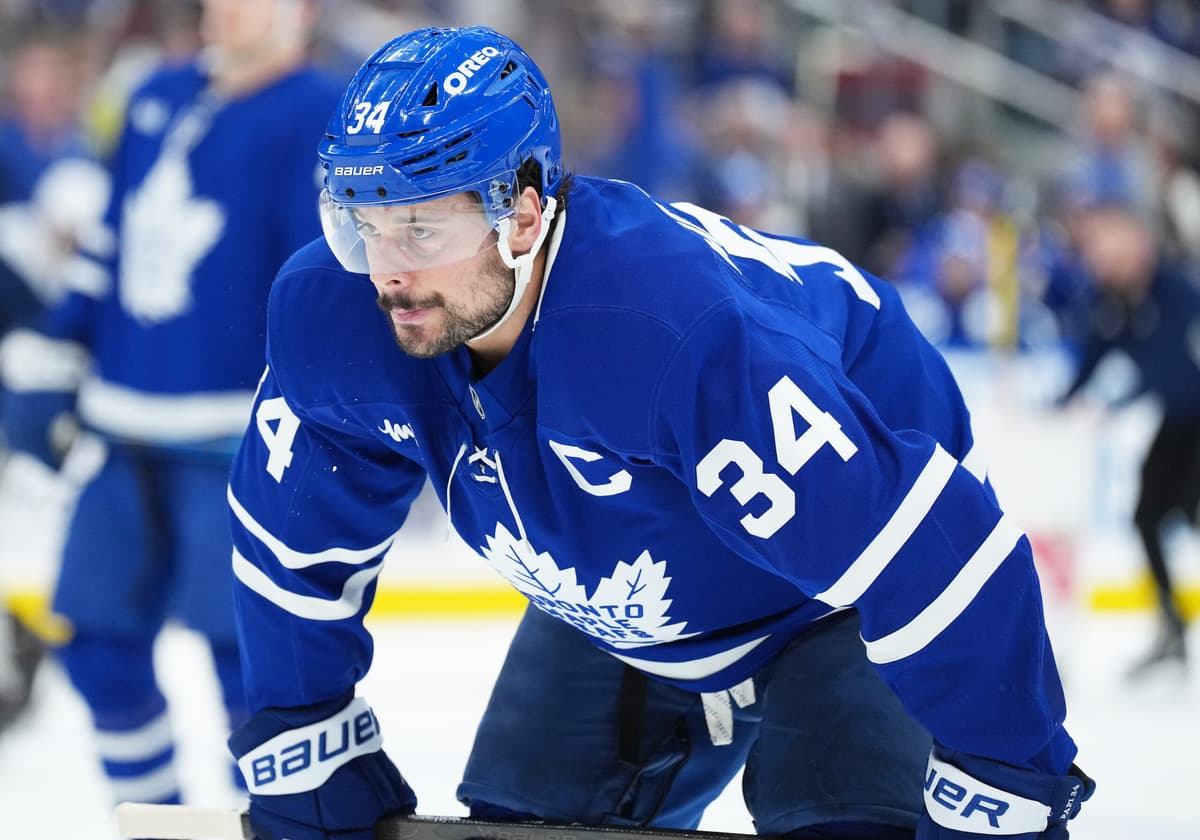
John Chayka inherited a mess. The Leafs finished fifth-worst in the league in 2025-26, Mitch Marner was already gone, and Auston Matthews' commitment beyond two seasons looked uncertain. The organization was hemorrhaging assets—a lottery pick potentially headed to Boston, another first-rounder owed to Philadelphia. When Chayka was introduced on May 3 alongside new president Mats Sundin, the press conference became a public relations catastrophe, with CEO Keith Pelley fumbling questions about the hiring and columnist Steve Simmons attacking Chayka's character on camera. Any momentum the franchise hoped to build evaporated instantly.
Then the lottery gods intervened. Twenty-four hours after that disaster, the Leafs landed Gavin McKenna at sixth overall—a generational forward prospect with Kucherov-Kane upside. Suddenly, the two-year window around Matthews stopped looking like a funeral march and started looking like a genuine opportunity. McKenna alongside the league's most consistent goalscorer could transform the top six from a power-play dependent unit into a genuine offensive engine. The Leafs had a lifeline. Now they needed to build around it.
Chayka responded by becoming one of the busiest GMs of the summer. Before the draft: Joseph Woll and Simon Benoit moved out, Emil Andrae came back, and the Leafs secured Darren Raddysh's signing rights. During the draft: Brandon Carlo and Nick Robertson were jettisoned. Free agency brought goaltender Sergei Bobrovsky, forwards Teddy Blueger, Brandon Duhaime, Jack Roslovic, Colton Sissons, and Nick Paul. The depth chart was remade wholesale—36 percent of the current roster comprises Chayka additions (excluding McKenna). It's the kind of aggressive turnover that normally signals either desperation or confidence. In this case, it's both.
The strategic gamble is plain: swap an aging, underperforming roster around a superstar for a younger, faster, more defensively accountable group that can complement Matthews and McKenna. The addition of Jim Hiller as head coach reinforces the structure—he ran a Los Angeles defensive system that posted 2.33 expected goals against per 60 at 5-on-5 from 2023 to 2026, and his power play ranked top-five as an assistant. This is a team trying to tighten margins and punish mistake-making, not outskate opponents into submission. For prop bettors, the implications are direct: expect fewer games exploding past 6.5 goals total when the Leafs face structured defenses, but also watch for volatility early as new chemistry develops. Bobrovsky's presence in net should lower goalie-injury exposure (a constant Leafs liability under Woll), which normalizes their game-to-game availability and makes season-long props more stable. However, roster churn this severe almost always produces a 10-15 game adjustment period where underlying metrics don't yet match results. Back the Leafs' underlying shot metrics (shots for/against per 60) more than their win-loss record in October and November.