NHL
Chayka's Toronto Rebuild Is Already Priced In—The Blockbuster Bet Is Fading
Four months and a dozen roster moves into his tenure, Toronto's GM has run out of obvious trade targets and signaled his biggest piece isn't moving.
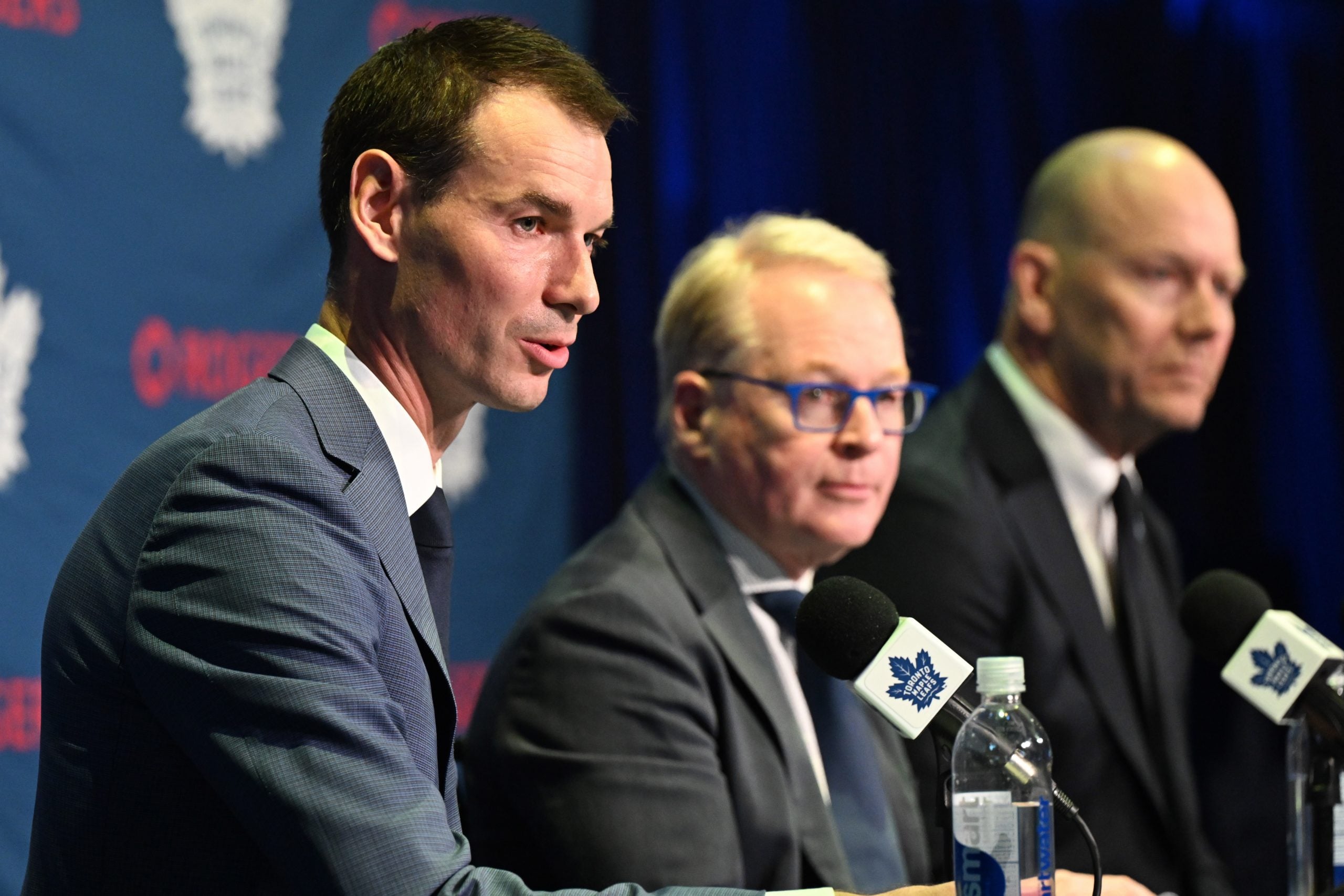
John Chayka arrived in Toronto in May and has executed a wholesale roster overhaul: Joseph Woll to Philadelphia, Brandon Carlo, Nick Robertson, and Dennis Hildeby departing; Sergei Bobrovsky, Jack Roslovic, Nick Paul, and Brandon Duhaime arriving. The pace is real. But the market's speculation about one final blockbuster move—a headline trade that would reshape the lineup before training camp in September—is colliding with a simpler reality: the obvious targets have either been ruled out or dried up.
Rielly's availability was the central rumor. Multiple league sources floated the star defenseman as potentially available, a Western Conference preference cited as motivation. Chayka has since flatly indicated Rielly isn't going anywhere. That removes the biggest trade chip in Toronto's inventory. Simultaneously, the Zach Werenski speculation out of Columbus has cooled entirely. Dylan Larkin isn't on the Maple Leafs' preferred acquisition list and never was a realistic option. The supply of available impact players has contracted sharply in the past week, and Chayka's own comments suggest he's comfortable with the roster as constructed.
What matters for betting purposes is that Toronto's defensive depth has been substantially rewritten with Colton Scissions, Emil Andrae, and the trades that moved off its worst contracts. The Bobrovsky signing is the one high-variance move—a 37-year-old goaltender on a short-term deal carries genuine risk around workload, durability, and how the team allocates minutes between him and any backup. If Bobrovsky plays 60+ games, he carries elevated injury probability; if he's limited to 40-45 games, the Leafs' goalie save percentages and goals-against totals become harder to project. The removal of Woll—a younger, injury-prone asset—actually reduces some volatility on the goaltending side, but replacing him with an aging asset introduces different volatility.
The betting implication is straightforward: Toronto's roster composition is now largely set for the 2026-27 season. The team total goals and team total assists will be priced around a core that includes Bobrovsky, Roslovic, Paul, and Duhaime as marginal additions to Auston Matthews, Mitch Marner, and William Nylander. Any further moves will be secondary—deadline acquisitions, not summer blockbusters that reshape opening-night lineups. If you were waiting for a major trade to shift Toronto's Vegas totals materially, that catalyst is no longer coming.
The prop angle inverts the narrative completely. Rather than chasing moves that don't exist, the edge lies in accepting Toronto's roster as final and testing whether the market overshot on expectations around improvement. Bobrovsky's presence might tempt bettors toward lower team goals-against totals, but his age and the team's defensive unpredictability (Rielly stays, which is good; but the depth behind him was gutted) argue against confidence in that direction. Lean toward fading any sharp moves on Toronto totals based on "blockbuster" rumors. The blockbuster already happened over the past four months. What's priced now is what you're getting.