NHL
Oilers Coaching Chaos Collides with Playoff Expectations; Edmonton's Defensive Regression Now Someone Else's Problem
Edmonton fires Knoblauch mid-search for a proven replacement, signaling front-office panic over defensive collapse that will reshape lineup responsibility and goalie workload next season.
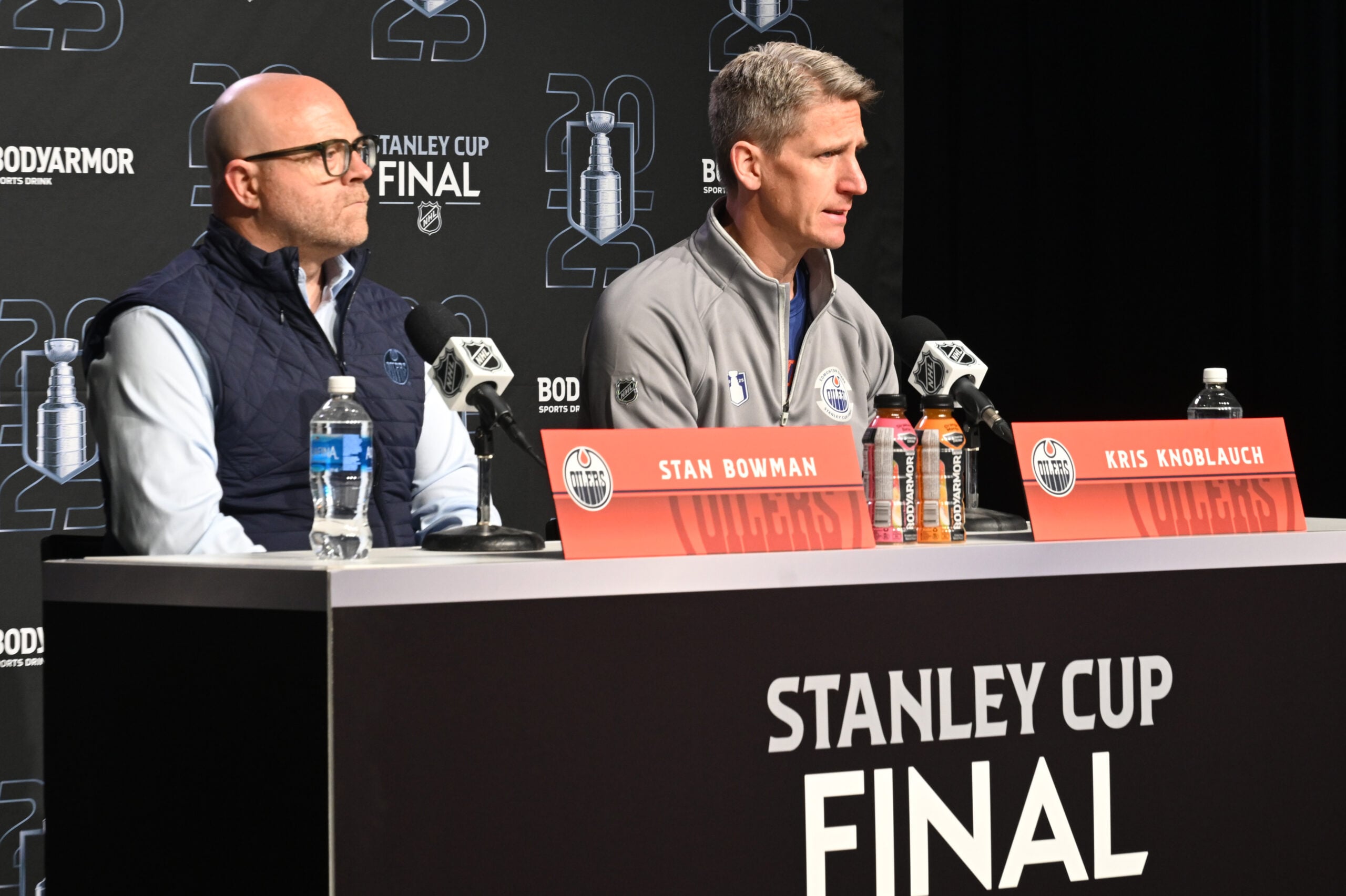
The Edmonton Oilers officially terminated head coach Kris Knoblauch and assistant Mark Stuart on Thursday, citing the need for organizational change following a first-round exit. GM Stan Bowman framed it as forward momentum. The reality is messier: the team was already courting Vegas's Bruce Cassidy while Knoblauch still held the job, and once the story leaked, his tenure became ceremonially dead regardless of contract status. Insiders including Jason Gregor and TSN's Ryan Rishaug publicly criticized the optics, calling the sequence "horrendous" — a term that sticks to a front office more than to the coach being removed.
Knoblauch won two back-to-back Stanley Cup Finals with this roster, which means the problem wasn't recruiting talent or overall structure. It was defensive performance and decision-making under pressure. Connor McDavid and Leon Draisaitl both publicly questioned team direction, the organization's public statements on player deployment, and the backend's ability to hold leads. The Oilers surrendered 271 goals during the 2025-26 regular season (29th in the league) and allowed 3.4 goals per game in the playoffs — a 0.5-goal increase that directly contributed to early exit. That's not random noise; that's a coaching signature that compounds under playoff intensity.
Bowman now enters a formal coaching search with no replacement already lined up. The stated target profile is an experienced head coach with a winning track record who demands structure and process — code for "we need a defensive-minded tactician who won't cede momentum in third periods." That hire will matter intensely to line construction and save-percentage expectations. A coach who runs a tighter defensive system, limits odd-man rushes, and prioritizes gap control will lower both shot volume and quality of chances against, directly reducing the workload on whoever mans the pipes behind McDavid and Draisaitl.
For prop bettors, the coaching transition creates immediate line volatility and then a second-order correction. Until a new coach is announced and has early-season games on tape, bookie models will rely on generic Edmonton offensive talent (still elite) and defensive reputation (now tainted). Pre-season Oilers goal-line totals may settle inflated over 5.5-6.5 because the market over-weights recent playoff collapse and hasn't yet priced in potential defensive tightening under a new regime. If Edmonton hires a coach with a career save percentage profile above .915 — someone who historically runs a stingy system — the Oilers goalie save-percentage over 8.5 games or 15-game props should be undervalued at close if the market is still anchored to Knoblauch's 2025-26 defensive numbers. Conversely, if they hire an offensive coach without defensive credentials, under that coach's first 10 games should be favored.
The Canucks hired Ryan Johnson as GM, with the Sedin twins in elevated front-office roles. The Wild face a cap crunch and face a reload at forward. These moves are organizational housekeeping — less binary betting signal, more context for mid-season lineup adjustments and late-season trade-deadline urgency that will surface in matchup-specific prop value later. The Oilers story, though, is directional and immediate: a season of defensive underperformance just triggered a regime change that will either fix the backend or double down on the problem. Early-season metrics will answer which one.