Contract Chaos and Roster Uncertainty Cloud the League's Biggest Names
By Erik Schwartz ·
Quinn Hughes extension talks with Minnesota hit turbulence as New Jersey circles, Dylan Larkin's trade request sits frozen, and the Oilers abandon their PTO plan—uncertainty that ripples through individual and team projections.
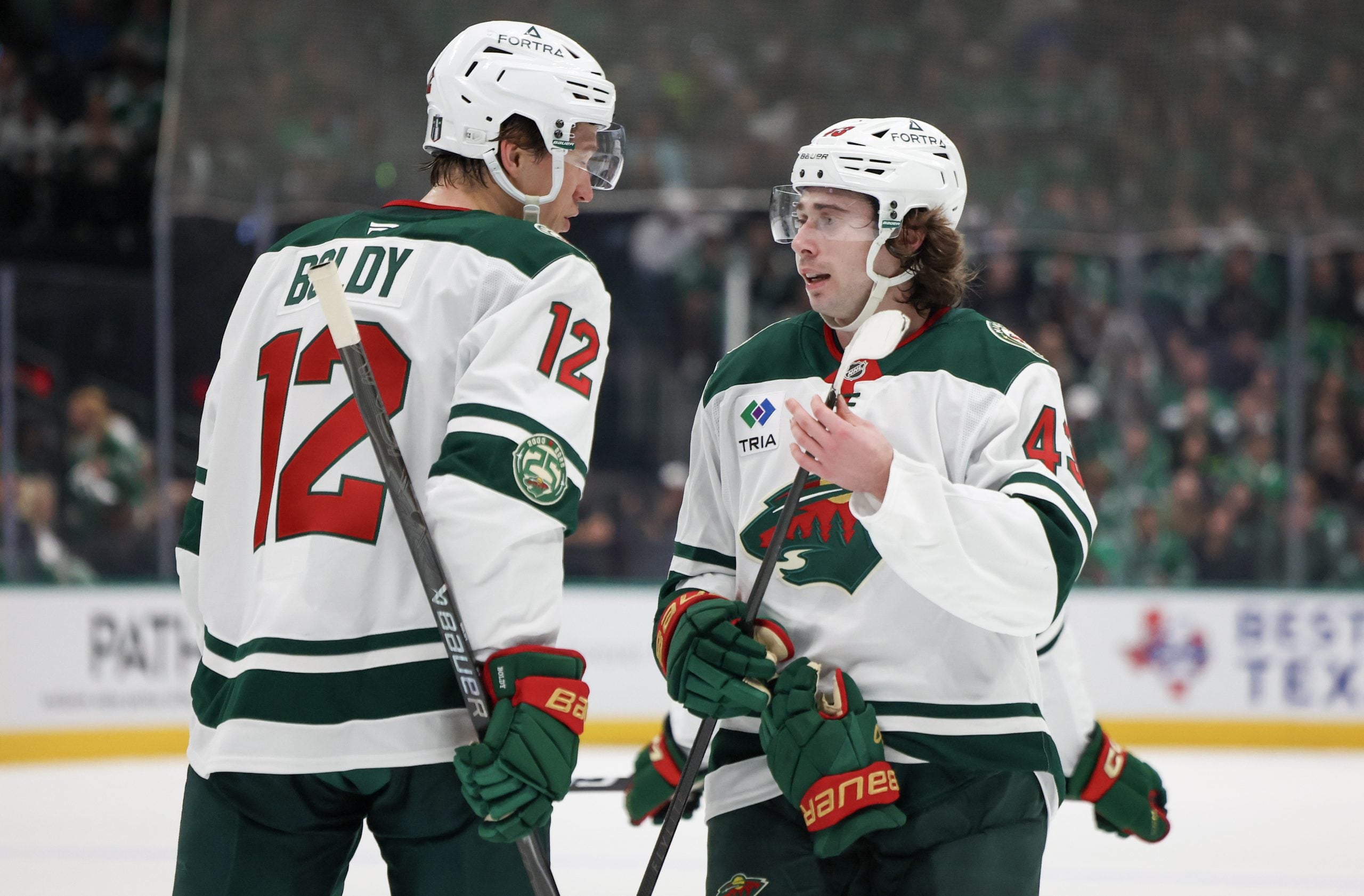
The NHL's offseason has entered a holding pattern, and the uncertainty is hitting exactly where it matters most: star players and the teams trying to build around them. Quinn Hughes remains unsigned on an extension despite ongoing talks with Minnesota, with speculation now swirling that he may prefer alignment with his brother Jack in New Jersey rather than committing long-term to the Wild. The Wild's GM Bill Guerin faces a binary choice: get a deal done before the season or watch Hughes test free agency in July 2027 with the Devils waiting. Meanwhile, 21 months have passed since Dylan Larkin requested a trade from Detroit, and the negotiation sits dormant while the Red Wings search for their next general manager—a process that began when Steve Yzerman transitioned out in mid-July. Edmonton, despite available talent in free agency, has signaled it won't rely on PTOs this season due to a compressed exhibition schedule and the need to evaluate internal prospects. Auston Matthews, for his part, continues his recovery from offseason procedure, with Toronto optimistic on his ramp-up timetable.
The contract stall with Hughes carries real operational weight. Minnesota still hasn't added the depth center they've targeted, and if competitive gaps persist, does Hughes see the franchise as a contender worth 6-8 years of his prime? The leverage tilts toward the player here—a shorter deal buys Minnesota time to prove they can win now, but it also preserves his optionality if New Jersey makes a stronger pitch. For sportsbooks pricing individual-game player props, contract uncertainty creates volatility: if Hughes signs short-term and Minnesota becomes a seller at the deadline, his deployment and assist rates could shift mid-season. Conversely, a long-term deal signals the team is committed to competing, which typically elevates ice time and scoring opportunities.
Larkin's trade limbo creates a different type of projection risk. Teams that had expressed interest—Minnesota among them—now face extended uncertainty. If Detroit accelerates its GM hire and pivots toward a rebuild, Larkin could move to a contender in the next 30 days, or he could sit in Detroit's lineup all season. His points-per-game and shot volume become uncapped variables until the trade market settles. The Oilers' PTO decision, meanwhile, is procedurally cleaner: fewer exhibition games and higher evaluation bar mean they're doubling down on internal talent and veterans already in the fold. This likely benefits their developed roster players (Leon Draisaitl, Connor McDavid) in terms of ice time allocation, since the team is no longer experimenting with marginal PTO depth. The compressed calendar also means faster route to opening night—less runway for player conditioning and more reliance on preseason minutes to build chemistry.
For prop bettors, the immediate signal is volatility on player totals for teams in flux. Hughes's uncertainty makes season-long assist and point props risky until he signs; similarly, Larkin's deployment (wherever he ends up) should draw reduced confidence until the trade either closes or the GM search completes the search by mid-August. The Oilers' roster is more settled than the whispers suggested, which actually stabilizes McDavid and Draisaitl's ice-time props and team-total projections—fewer lineup experiments means more predictable usage patterns. Matthews' recovery timeline remains the cleanest variable: if Toronto projects him to full availability by opening night, his season-long point total remains defensible; any setback rewinds that clock.
The volatility won't persist long. Contract talk either resolves or doesn't within the next two to three weeks; the Red Wings GM hire will conclude well before the season starts; and injury timelines are more concrete than organizational decisions. Bettors who wait for clarity will avoid the guesswork on season-long props tied to Hughes, Larkin, and the Red Wings' full-roster construction. Short-term lines (individual games in October) will be sharper once these hanging questions settle.