NHL · transaction
Utah Locks Cossa Into Bargain Deal After Draft-Day Acquisition
The Mammoth secured their goaltending future on the cheap, signing Sebastian Cossa to a two-year, $2M cap deal just hours after trading for him.
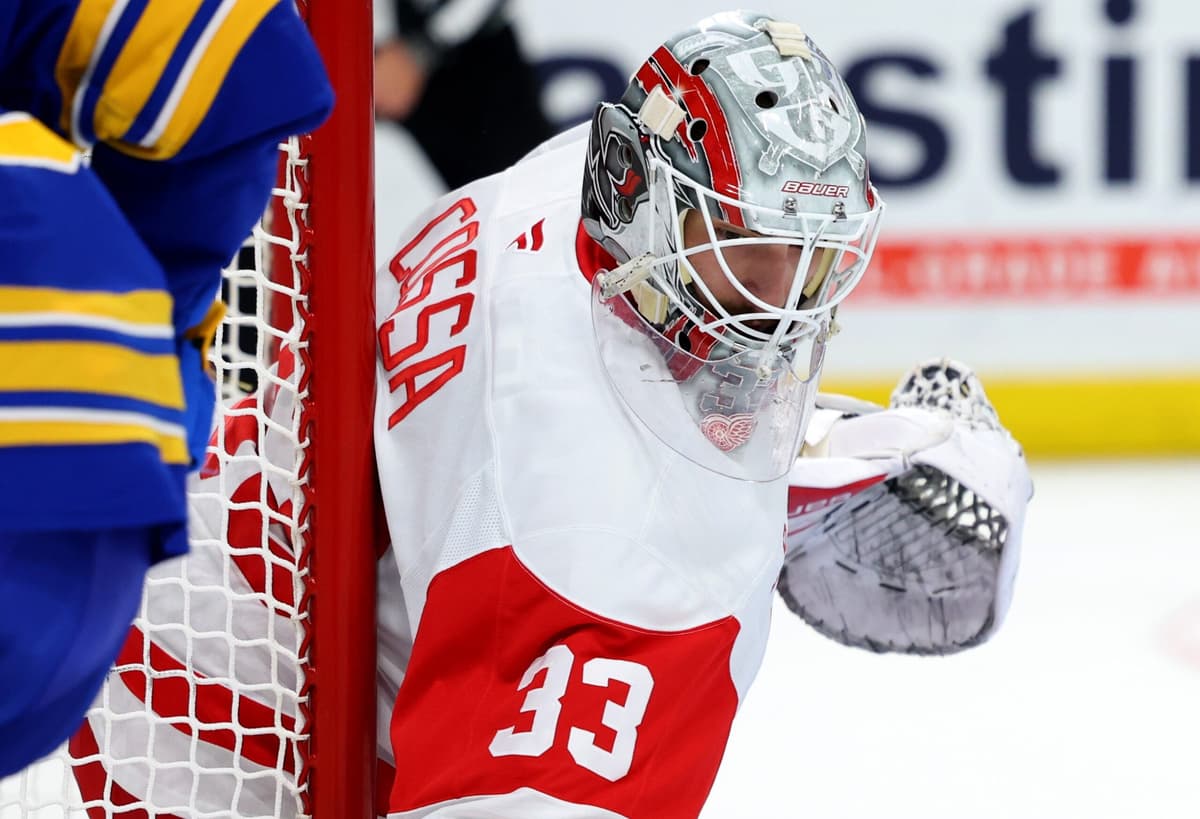
Utah moved fast. On draft day—today—the Mammoth acquired 23-year-old RFA goaltender Sebastian Cossa from Detroit in exchange for the 23rd-overall pick, then immediately inked him to a two-year extension carrying a $2 million annual cap hit. The contract locks in both seasons at that rate, eliminating arbitration risk and signaling internal confidence in a prospect the Red Wings developed but chose not to retain through the post-draft negotiation window.
Cossa represents the kind of low-risk, controllable depth the Mammoth can afford to build around. At 23, he's still within the elasticity window where a goaltender's trajectory isn't set—his ceiling remains open, but so does the risk of underperformance. The $2M AAV is a statement that Utah views him as a depth or developmental option rather than an immediate starter. For context, backup goalies in the NHL typically occupy the $1.5M–$3M range; the Mammoth paid closer to the middle of that band for a young arm with potential.
The trade itself is telling. Detroit let him walk for a mid-round pick, suggesting the Red Wings either lacked faith in his trajectory or needed cap flexibility more than they needed another goaltending prospect in their pipeline. Utah, with fewer immediate needs at the position, saw an opportunity to acquire depth without overpaying for a proven starter. The extension was clearly a negotiation piece—teams rarely acquire a player just to let him test arbitration.
From a betting lens, this move doesn't reshape Utah's goaltender surface overnight. Cossa is unlikely to start significant games in 2026–27 unless the team suffers injury at the crease. However, the contract structure tells you Utah expects him to play a meaningful role within two years—either as a backup logging 15–25 starts annually or as a contingency if the primary starter falters. His saves-on-goal volume will depend entirely on how the team prioritizes starter usage, which makes direct props on Cossa risky in the short term. Watch instead for any Utah moves that hint at uncertainty with their current starter depth; if Cossa suddenly starts getting preseason reps or early-season backup duty, that's when his individual goalie lines become tradeable.
The broader takeaway: Utah just filled a cheap organizational hole and eliminated future arbitration complications. That's smart management. For prop purposes, it's background noise until Cossa actually enters a game rotation.