NHL
The Bounceback Trap: Why Last Year's Regression Doesn't Predict This Season's Props
Fantasy draft logic and prop betting are not the same beast—a player's down season matters far less to your line than the mechanism causing it.
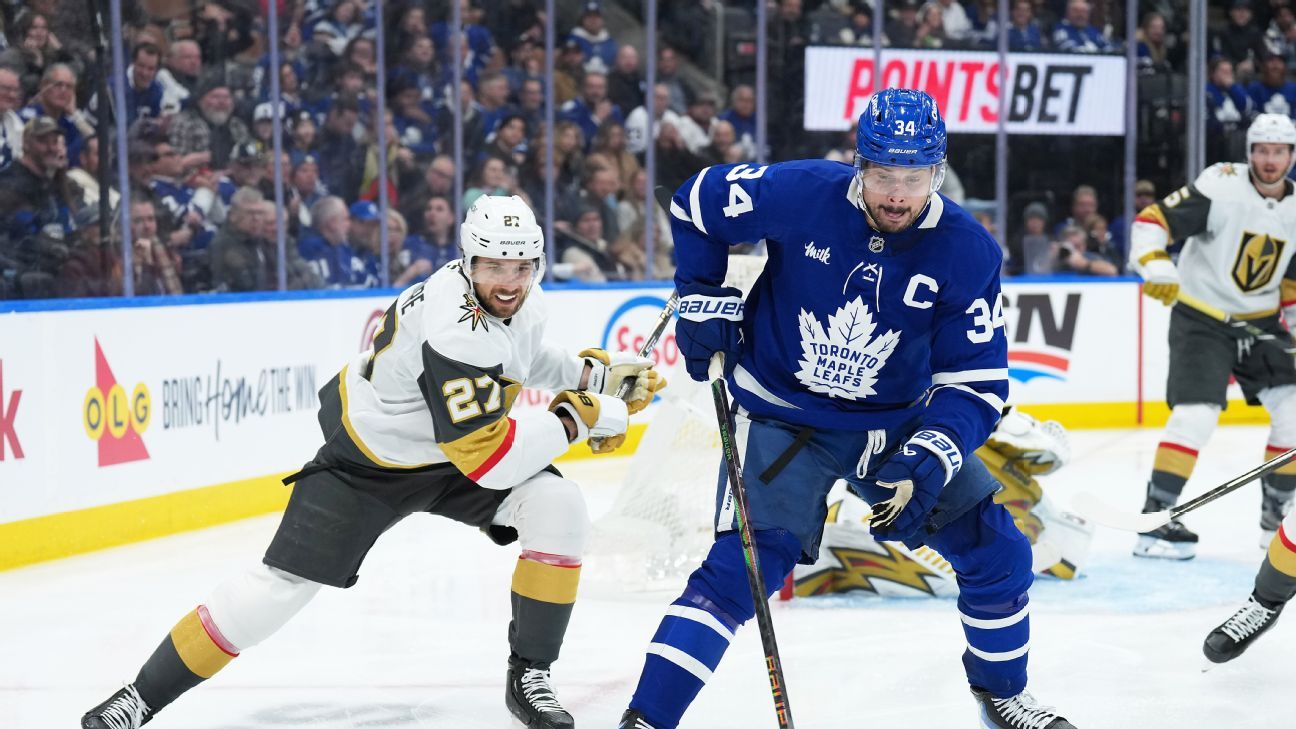
The fantasy hockey crowd is doing what it does every September: hunting discount names. A star forward drops from 1.7 to 1.35 fantasy points per game, the market panics, and by mid-round he's available three spots cheaper than his preseason ADP. ESPN's research shows the pattern is real—59 elite forwards who've cleared career marks of 1.7 FPPG have suffered genuine down years (a 0.35+ point dip) and bounced back above their career average 78 times since 2009-10. Evgeni Malkin did it four times. Matt Duchene five. The data is seductive: regression to the mean, variance smoothing, the regression fairy sweeps in, and boom.
But prop betting doesn't operate on the same timeline or logic as season-long fantasy drafts. A single down year tells you almost nothing about tonight's assist total or tomorrow's shots line. The fantasy game is asking, "Will this player finish the season above career average?" The prop market is asking, "Given what I know about his current linemates, usage rate, and opponent scheme, how many points will he generate in the next 48 hours?" Those are not interchangeable questions.
The real fracture line separates true decline (aging, reduced ice time, permanent linemate separation, system change) from temporary noise (injury return, single-season deployment experiments, bad luck with rebounds, a three-month stretch of unfavorable matchups). A 35-year-old defenseman's 0.45 FPPG drop might be the floor of a long slide into twilight minutes. A 28-year-old center's identical dip might be a coaching adjustment that gets reversed in November. Fantasy reward both equally if they bounce back. The prop market doesn't—it demands you know which one is real.
Consider the mechanics: Connor McDavid's 2024-25 dip from 3.21 to 2.60 FPPG (down 0.61 points) was corrected within a single season because the underlying engine—elite skating, elite hockey IQ, unmatched shot generation—never left. His shot volume likely remained stable; his goal and assist rates may have faced a shooting percentage variance tax. A prop bettor in October 2025 looking at McDavid's assists or points lines would have been fighting an inflated number that already priced in the year prior as decline. By contrast, a player whose down year stems from reduced power-play time or a move to a depth line sees structural usage change baked into the current season's prop lines—no bounceback necessary. The market already reset lower because the minutes and deployment shifted, not because of coin-flip variance.
For prop purposes, bounceback narratives are background noise unless you can isolate the specific mechanism of recovery. If a forward's down year was injury-driven and he's now healthy with the same linemates and same coach in the same system, his shot and point totals should genuinely be elevated. If it was a coaching change that deprioritized him and he's now under a new regime that runs a higher-volume system, expect genuine uptick in touches and chances. If it was pure variance—bad rebound luck, unsustainable shooting percentage, outlier bad plus-minus stretches—his volume stats (shots, touches) won't have moved much year-over-year, and the prop lines probably already reflect that. The bounceback bet only works when you've identified which category the player inhabits and confirmed the underlying volume metrics support recovery. Chasing names off the fantasy bounceback list because they're "due" is a shortcut that leads directly into mispriced overs on players whose structural role has genuinely shrunk.