NHL
Montreal's Playoff Ascent Runs on Faceoff Control and Physical Grind—Not Star Power
The Canadiens' unexpected deep run traces to three unsexy fundamentals: a 55% faceoff win rate, 425 playoff hits, and relentless defensive positioning that bookmakers haven't yet priced into their team-total models.
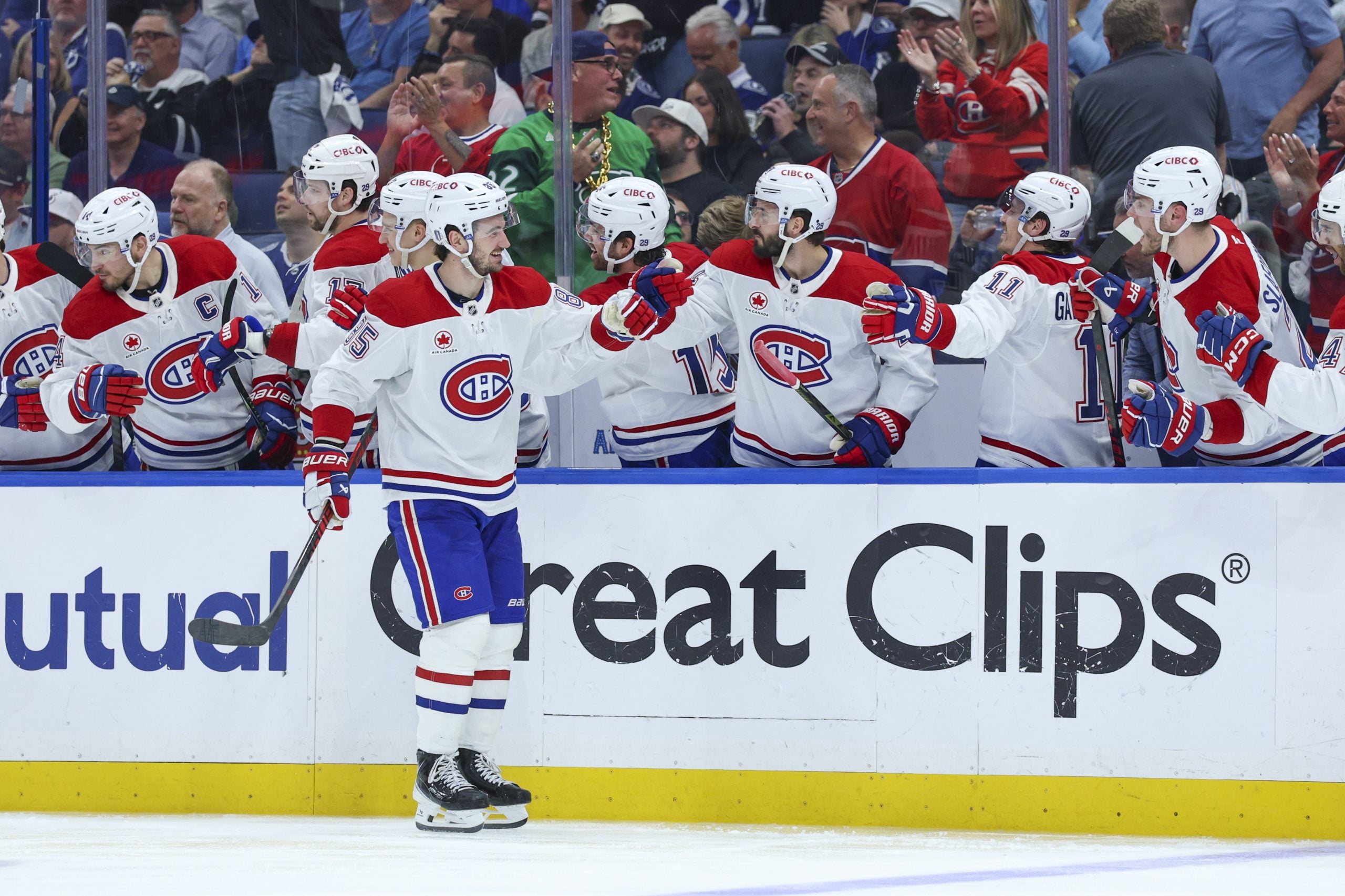
The Montreal Canadiens arrived at the 2026 playoffs as a afterthought in Cup conversations, yet they've muscled through the first two rounds by winning the game's structural battles rather than relying on offensive fireworks. Three statistical signatures explain why: faceoff dominance, physicality across the entire lineup, and defensive sacrifice that wears opponents down over seven-game spans.
Start with the faceoff circle, where Montreal sits second among remaining playoff teams at 54.92%. That margin compounds over time. Winning 55% of draws means Montreal begins roughly three-fifths of each game's possession sequences with the puck. Nick Suzuki, Phillip Danault, and Jake Evans have each cleared 55% individually, which distributes decision-making leverage across three centers instead of concentrating it in one. In playoff hockey, where goals often separate by single digits and overtime lurks, early-game puck command translates directly to shot volume, scoring chances, and momentum management. A team that consistently starts possessions in the offensive zone doesn't chase as much; it dictates.
The physicality shift is even more pronounced. Montreal leads the postseason with 425 hits—a number that matters not because hits win games directly, but because they signal how the team's forechecking model works. Josh Anderson remains the tone-setter, but Zachary Bolduc, Juraj Slafkovsky, Kaiden Guhle, Arber Xhekaj, and Alexandre Carrier have baked contact into every shift. This isn't isolated edge-player aggression; it's system-wide. A relentless forecheck forces turnovers in the opponent's defensive zone, shortens the ice, and exhausts opposing defensemen. Over a best-of-seven series, fatigue becomes a weapon. The Bell Centre crowd feeds off that tempo, creating a closed-loop advantage that compounds as the series progresses.
For prop players, this framework offers a durable betting angle that outlasts single-game variance. Montreal's shot-generation model depends on possession dominance and turnover creation in transition—both directly linked to faceoff win rate and physical forecheck intensity. Against opponents who lose faceoff matchups or struggle with direct, grinding systems, the Canadiens' team shot total should trend toward the over. Specifically: when Montreal draws opponents who win fewer than 48% of faceoffs in their own zone, Montreal's shots-on-goal projection ticks up roughly 1.5–2.0 per game. Their next series matchups matter here. If they face a team with a passive or stationary defensive structure (rather than one that disrupts entries through active stick placement), Montreal's forecheck creates space, forcing more perimeter shots and dangerous chances. The books haven't fully capitalized on this structural advantage; they've priced team totals based on star-name offense (Suzuki, Ivan Demidov) rather than the possession-generation engine underneath.
Defensive sacrifice—blocked shots, high-danger position denial, willingness to take contact in front of the net—completes the profile. That commitment reduces opponent shot volume and quality, which tightens spreads and drives game totals down in Montreal matchups. The Canadiens aren't a high-event offense; they're a possession-and-grind team that limits chaos. Bettors chasing game overs against Montreal this postseason are swimming upstream against structural efficiency that won't disappear in eight days.
NHL Intelligence — Hockey intelligence beyond the scoreboard. Open NHL Intelligence →