NFL · injury
0-2 Panic Tiers: Why Washington's Crisis Is Different—and What It Means for Week 3 Props
Jayden Daniels' elbow injury transforms the Commanders from rebuilding underperformers into a franchise at genuine risk; Miami and Atlanta's 0-2 starts are design, not dysfunction.
Eight teams sit at 0-2 after Week 2, but panic levels fracture wildly depending on what caused the losing. Miami and Atlanta entered September expecting exactly this. The Dolphins engineered a rebuild, shedding eight of nine top salary commitments and accepting a bottom-five roster by design; their 32nd-ranked offensive efficiency and 27th-ranked defense are feature, not bug. Meanwhile, Atlanta's quarterback carousel—six different starters over six seasons—has trained the franchise to expect turmoil. Even with Michael Penix Jr. finally getting a chance to prove he's a starting-caliber NFL player, Kevin Stefanski's roster has actual foundational talent around him in Bijan Robinson and Drake London. For both clubs, 0-2 is the cost of forward construction, not a signal of organizational failure.
Tennessee occupies middle ground. The 23-3 Week 1 demolition by New York invited genuine hand-wringing; by Week 2, however, the Titans found competence against Philadelphia's playoff-roster Eagles, losing 24-20. Cam Ward showed flashes. The offense and defense both functioned. That trajectory matters for Week 3 spreads and team total sizing: a team trending upward mid-series often gets overleveraged by books still price-anchoring on opening lines. Tennessee's Week 1 nightmare created artificial pessimism about Week 3 volume.
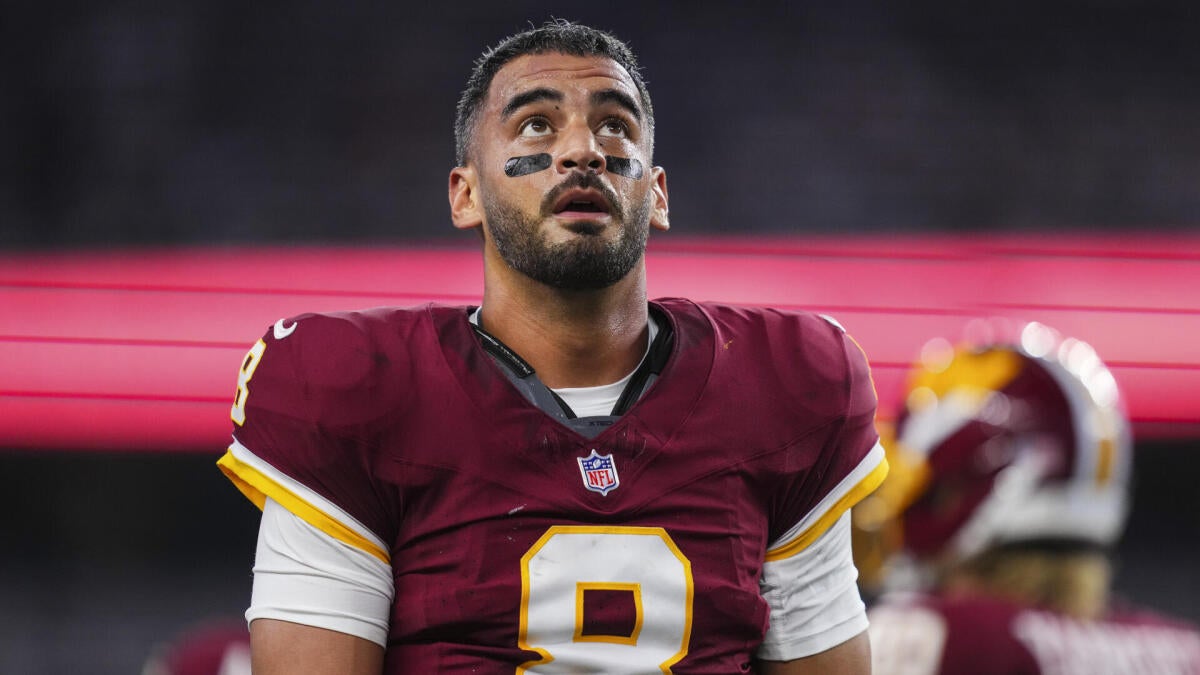
Washington operates in a different category entirely. Jayden Daniels' elbow injury—and the specificity of elbow for a first-year franchise QB—introduces genuine long-term structural risk to offensive projection. An 0-2 start compounds that risk; the Commanders aren't bottoming out by design, they're bottoming out by circumstance. Backup quarterback play often creates dead-weight ceiling on team totals and passing-volume props. The gap between Daniels' projected air yards and his replacement's realized attempts can be 15-25% of weekly volume depending on scheme adjustment and opponent aggression.
For bettors, the sorting is simple: fade overleveraged Titans despair in Week 3 matchups—their line moved too far on one catastrophic game, and they're trending better. Conversely, watch Washington's injury timeline closely before loading on any offensive prop. An elbow injury on a young QB's throwing arm isn't a "we'll see in two weeks" situation; it directly compresses receiving-target distribution, passing attempts, and completion percentage in ways that books will misprice during the initial adjustment window. If Daniels is confirmed out for Week 3, Commanders team total and QB passing-yards props warrant immediate fades regardless of matchup. If he plays through it, expect reduced volume; a limited Daniels is a shorter field, fewer deep attempts, and higher checkdown dependency.