NFL · injury
Six Teams Down to Backup QBs by Week 3; Packers' O-Line Crumbles into Thursday Matchup
A cascade of early-season injuries has pushed multiple starting quarterbacks to the sideline, while Green Bay's offensive line enters a prime-time showdown skeletal and vulnerable.
The NFL injury report for Week 3 reads like a disaster inventory. Caleb Williams, Jayden Daniels, and Jaxson Dart are all sidelined, forcing six teams to cycle through backup quarterbacks by the third game of a 17-week season. The damage extends across positional groups: wide receivers Zay Flowers and Nico Collins are managing hamstring injuries, running back Jonathon Brooks is headed to injured reserve, and Saints left tackle Kelvin Banks Jr. will miss time after his placement on IR. This isn't mid-November attrition—it's September collapse, and the ripple effects are immediate.
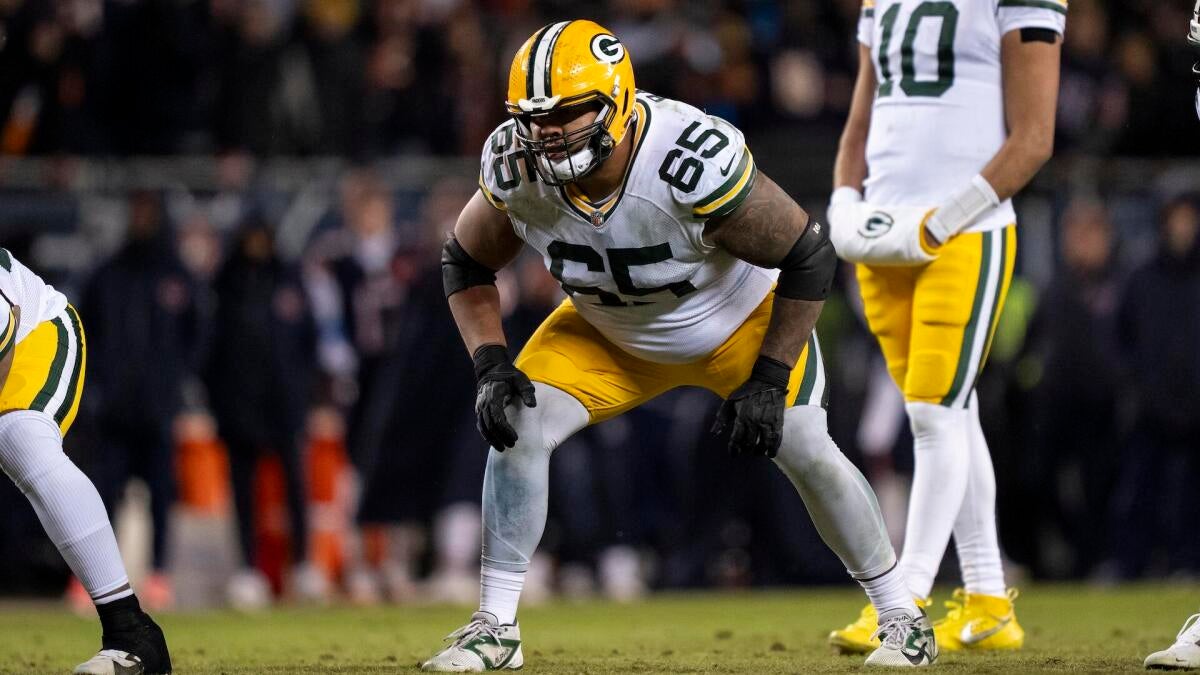
Thursday night's Falcons-Packers showdown crystallizes the injury crisis. Atlanta will start Michael Penix Jr., who was a full practice participant this week after missing time with a knee injury earlier in the offseason. The backup assignment itself signals Penix's clearance, but his first start comes against a Green Bay defense that will have time to prepare. More pressing is Green Bay's offensive line, which will operate without right tackle Zach Bako-Bewele and right guard Aaron Banks—both ruled out with knee injuries. Starting quarterback Aaron Rodgers will face immediate pressure, particularly on the edge, while the Packers' ground game loses its right-side protection. Veteran defensive tackle Javon Hargrave is listed as questionable with a knee injury and concussion after limited Wednesday participation, adding uncertainty to Green Bay's front-four depth.
The compensation tier reveals how thin these rosters have grown. The Packers traded draft capital for Javon Hargrave last offseason—a move that telegraphed their confidence in his durability. Two starters unavailable on the offensive line suggests a depth chart that wasn't built for redundancy, common among playoff contenders who bet on health. Michael Penix Jr.'s elevation from bench to starter, despite the knee recovery window, indicates Atlanta believes he's recovered enough to hold the job, or at least can't afford to let the position crater further. The market will process this as elevated volatility: Packers passing volume up against a scrambling secondary that lacks Samson Ebukam's edge pressure; Penix under duress and reliant on quick game and play-action rather than deep shots downfield.
For prop bettors, the offensive line absences create a distinct mechanical edge. Aaron Rodgers' time to throw contracts when he loses immediate right-side protection; his tendency under pressure is to extend plays and venture outside the pocket, hiking his rushing attempt total but also compressing passing windows. Against a Falcons pass rush operating without Ebukam, Rodgers has room to improvise, but the absence of Banks especially—a high-level run blocker—will compress Green Bay's inside-zone effectiveness. Expect elevated Rodgers passing attempts (Wisconsin's playcalling typically shifts toward pass-heavy when protection is compromised) and a depressed Green Bay team total. Penix's situation is the inverse: elevated sack risk, compressed time for reads, and a Packers pass rush that will key on his pressure tendencies. His completion percentage and yardage total face downward pressure from both the injury return scenario and the Packers' front-four, even at less-than-full personnel.
The broader Week 3 snapshot—six teams now running backup quarterbacks, star receivers hamstrung, and key defensive anchors unavailable—suggests market overcorrection on early-season team totals and under betting. Oddsmakers at sportsbook open often bake in optimistic injury recovery timelines; the visible damage this week (IR placements, full practice participation after grave absences) will force line adjustments intra-week. Any team total that was established before Wednesday's practice reports should be faded on the side that assumes health continuity, especially for running backs and receiving corps that lack depth.