NFL
Murray's Return Won't Solve Minnesota's Pass-Game Collapse—And That's the Real Problem
The Vikings have won seven straight games on defense and field position, not through the air, and Kyler Murray's availability won't reverse a structural shift away from explosives that defines their 2026 identity.
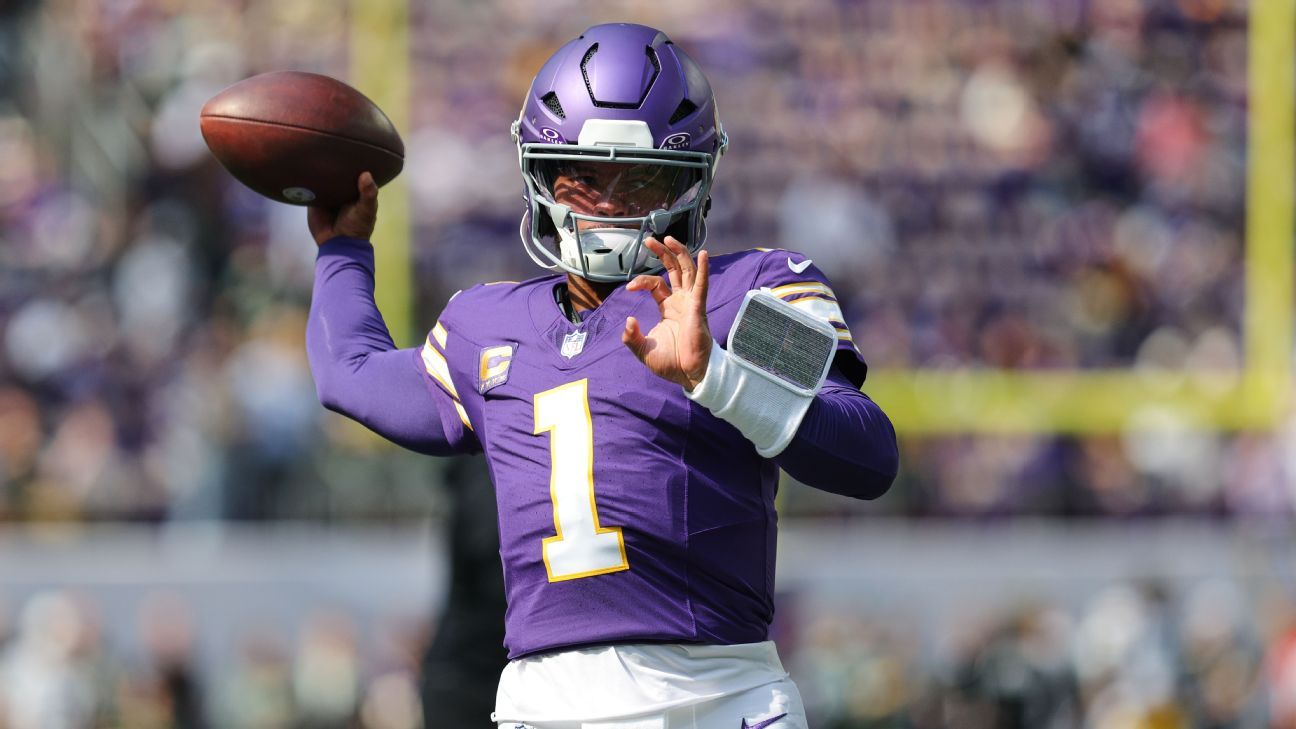
Kyler Murray is cleared to return Sunday against Tampa Bay after missing two games with a concussion, and the timing creates a seductive narrative: the Vikings' passing game, dormant for months, finally reignites. Coach Kevin O'Connell even fed the storyline Monday, insisting he remains "a believer in explosives" and committed to vertical attack. But the numbers tell a far less romantic story. Minnesota has ranked 31st in passing yards since the end of 2024, averaging fewer than 200 passing yards in 16 of their last 21 games. Over that same stretch, they rank dead last in plays gaining 10 or more yards. This isn't a personnel shortage—Justin Jefferson still plays for them—and it's not injury-driven variance. It's a deliberate architectural choice made at the team level.
The shift is stark when benchmarked against O'Connell's first three years. From 2022 to 2024, the Vikings generated the third-most passing yards in football (12,886 over that period) while running the fifth-fewest designed running plays. Jefferson averaged 100.4 receiving yards per game, a league-best figure. The offense was built to attack through the air. Today's Vikings are something else entirely. They've won two straight games—including Sunday's 9-3 rain-soaked grind over Chicago—not by throwing, but by leveraging elite defense (ranked third in EPA) and special teams (seventh). O'Connell's "trying to figure out a way" postgame speech wasn't poetry about adaptability. It was the voice of a coach making peace with a team that wins despite his offensive philosophy, not because of it.
Murray's return does matter tactically. A healthy quarterback with decision-making speed opens play-action lanes and keeps safeties honest. But expecting his availability to suddenly unlock 300-yard passing performances ignores the elephantine fact: the Vikings have not built this team to pass. Their offensive identity has migrated toward efficiency over volume, ball control over big plays. Even with Murray on the field for all of Week 1, he managed only 11 snaps before the concussion. One week of full participation won't reverse months of schematic reorientation.
From a wagering perspective, the market has likely already priced Murray's return as a modest upgrade to Vikings passing volume—expect projections to tick upward modestly on team passing yards and Jefferson receiving yards. But the edge lies in understanding the ceiling. The Vikings' defensive strength means they have zero incentive to trade field position for vertical attack. In a league-wide environment favoring point totals above 45, Minnesota games keep trending toward low-score norms. Jefferson's receiving yards line will attract casual action chasing the "elite receiver finally gets touches" narrative, but the Vikings' 31st-ranking in passing yards and fourth-lowest offensive play frequency tells you the volume simply won't materialize on Sunday. The Tampa Bay matchup features fair weather and a secondary that's been torched by vertical passing this season, but even a favorable defensive setup won't force O'Connell to abandon the grind-it-out identity that's won him seven consecutive games.
The real prop angle isn't buying into the Murray-returns-explosives story. It's fading it—recognizing that the Vikings' passing infrastructure has fundamentally shifted, and that one quarterback's return won't reverse a team-level commitment to winning without the ball in the air.