NFL
Cowboys' Kickoff Blunder Hands Ravens Improbable Win; The 2024 Rule Change Made It Worse
Dallas elected a touchback with seven seconds left instead of bleeding clock, gifting Baltimore a manageable 20-yard drive that ended in Tyler Loop's 56-yard game-winner.
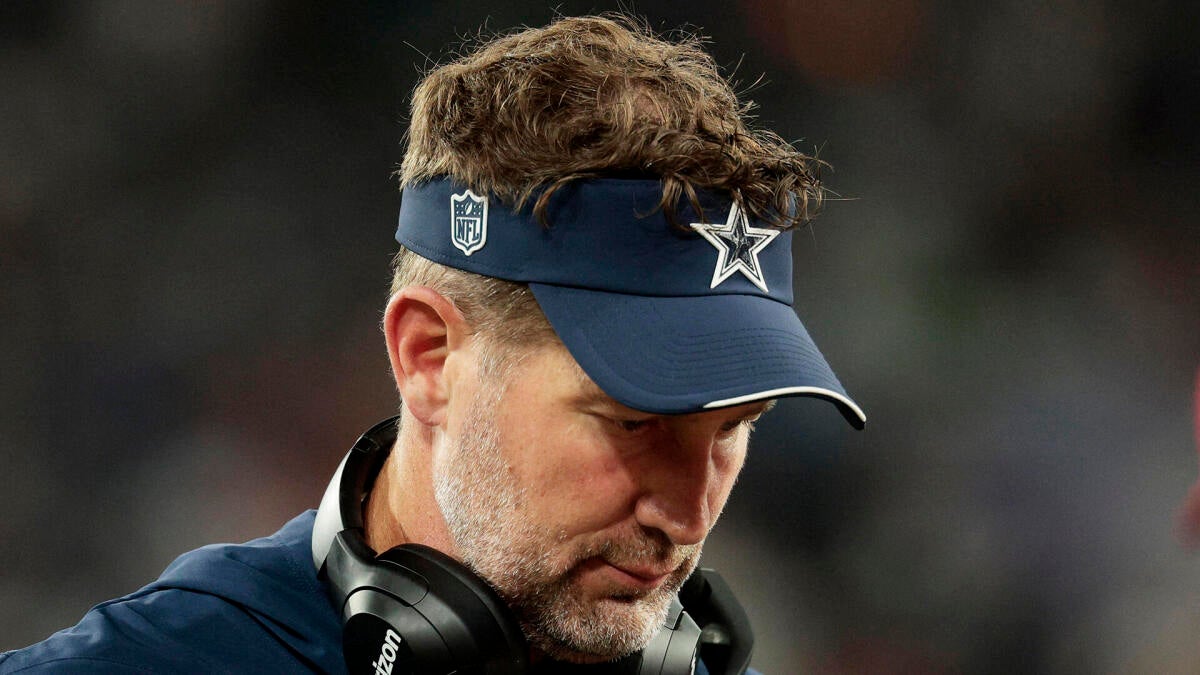
The Cowboys' 34-31 loss to the Ravens on Sunday was decided not by poor coverage or execution, but by a clock-management decision that will haunt Dallas through the offseason. Down by three with seven seconds remaining, Brandon Aubrey tied the game with a 23-yard field goal, and the Cowboys immediately faced an unremarkable choice on the ensuing kickoff: boot it through the end zone for a touchback, or direct it into the landing zone and risk a return. Dallas chose the touchback. Ravens coach Jesse Minter recognized the mistake instantly. "The touchback rule is huge," he said after the game. "It's to the 35-yard line. We felt like, one play that could take six seconds, kind of know the time that that route takes and the yards that we needed."
The 2024 NFL kickoff rule change transformed this decision from merely poor into catastrophic. Before the change, a touchback placed the receiving team at the 25-yard line. Teams needed to drive 35 yards to reach field goal range—a tall order in six seconds. After the rule moved the touchback to the 35-yard line, the math inverted. Baltimore needed only 20 to 25 yards. Lamar Jackson took six seconds to find Zay Flowers for a 27-yard gain that placed the Ravens in range, then called timeout with one second remaining. Tyler Loop's 56-yard field goal ended it. The Dallas decision directly parallels the 2022 playoff collapse that haunted Buffalo. Sean McDermott kicked a touchback against Kansas City with 13 seconds left, and Patrick Mahomes drove the Chiefs into field goal range. The context is almost identical—protect the ball, trust your defense, eliminate big plays. The only difference is the rule disadvantage: Kansas City had to move the ball 35 yards from the 25-yard line; Baltimore had to move 25 yards from the 35.
Dallas' reasoning was not irrational. Brandon Aubrey had launched two kickoffs out of bounds in his first six attempts of the game, a strike rate that spooked head coach Brian Schottenheimer. Out-of-bounds kickoffs spot the opponent at the 40-yard line, a four-yard gift compared to a touchback. The fear was legitimate. Yet the data within this very game undermined the decision: on four kicks that stayed in bounds, Baltimore caught the ball inside their own 23-yard line on all four occasions. Aubrey was performing. More critically, game theory demands that with seven seconds remaining, you trade field position for elapsed time. Every second that ticks off the clock is irreplaceable. A return—whether 10 yards or 30 yards—consumes those same seven seconds. By kicking the touchback, Dallas preserved all seven seconds for Baltimore's offense, then discovered Minter had correctly calculated that six of them were enough.
For bettors tracking Ravens season-long props and playoff positioning, this result carries immediate weight. Lamar Jackson's ability to execute in compressed windows—a signature of his best seasons—is now reinforced by a live, recent, consequence-laden example. Jackson finished with six seconds to work with and connected with his receiver. Tyler Loop's leg proved reliable at 56 yards in a game-deciding moment, signaling confidence in that kicker's big-moment execution going forward. More broadly, this game exemplifies the 2024 kickoff rule as a structural advantage to explosive offenses with fast-decision quarterbacks. Baltimore's opening possession math—needing only a field-goal range drive in one play—became a repeatable template. Dallas' error was executive; the Ravens' exploitation of the rule was merely competent. For teams still misjudging the calculus of late-game kickoff strategy, expect more similar collapses before the lesson calcifies.
NFL Intelligence — Football intelligence beyond the final score. Open NFL Intelligence →