NFL
Burrow's MVP Odds Ignore Cincinnati's Structural Problem
The Bengals are betting on a healthy Joe Burrow to drag another bottom-tier defense into playoff contention, but the math on his individual props assumes far too much offensive burden.
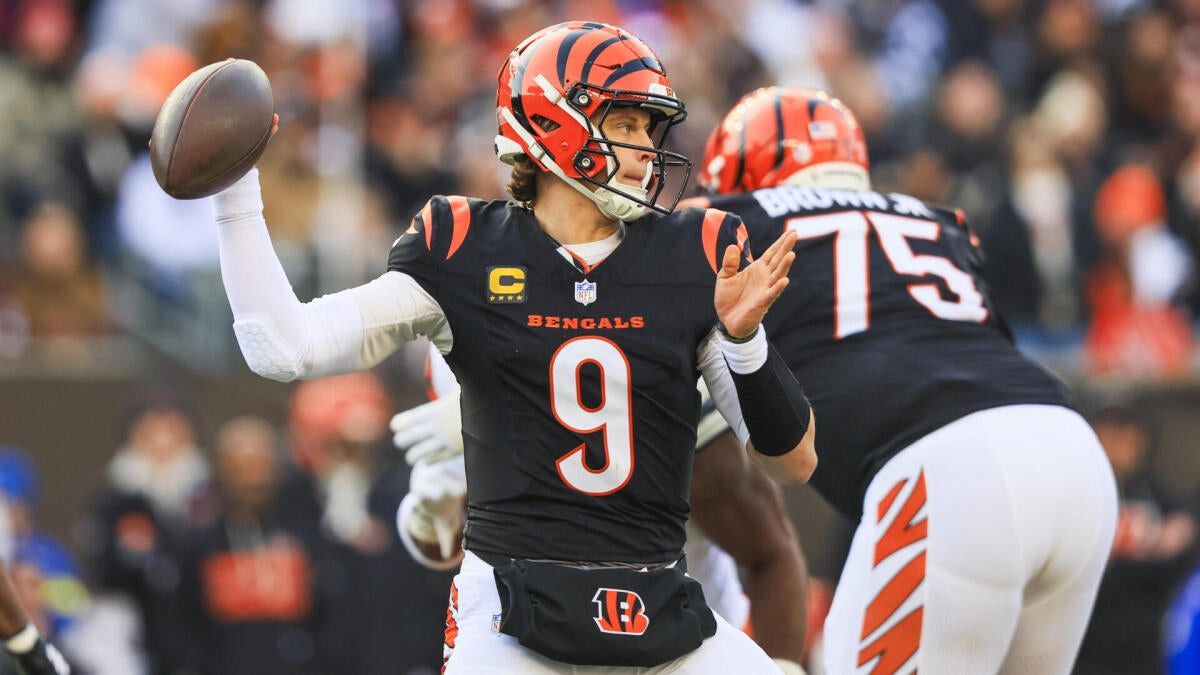
Joe Burrow is getting pounded with MVP money at BetMGM—+900 third-favorite with 13.9% of all MVP tickets and 13.3% of handle—and the book has made it clear: they're underwater on him. The Bengals offense, when Burrow is upright, remains one of the two or three most explosive in football. Ja'Marr Chase and Tee Higgins give him the weapons to put up Hall of Fame passing seasons. But the narrative around Burrow in August has a fatal flaw: it assumes a singular genius can overcome structural incompetence.
Cincinnati's 2025 defense was historically bad. The unit allowed 147.1 rushing yards per game and 6.2 yards per play—both league-worst marks that haven't been seen since the 2022 Lions. More damning, the secondary gave up 7.0 yards after catch per reception, the worst mark in 20 years of available data. This wasn't random variance. The secondary couldn't tackle. Enter the offseason: Dexter Lawrence for the No. 10 pick, Jonathan Allen in free agency, safety Bryan Cook, and a parade of mid-tier defensive additions. Lawrence and Allen bring 1,450 combined tackles and legitimate pass-rush upside. Cook had the fifth-lowest missed tackle rate among safeties last season at 5.7%. On paper, the defense addressed its worst instinct—the inability to wrap up in space—and added veteran bulk up front.
The problem is one of organizational philosophy, not personnel. Coordinator Al Golden returns for year two, meaning the scheme that allowed the worst yards-per-play efficiency since 2022 remains intact. New bodies don't fix a coordinator who may not know how to position a secondary or trust coverage. Even if the run defense improves, the unit starts 2026 as a liability. Burrow will need to be historically efficient to paper over a defense that will almost certainly be below median again. He's taken 242 sacks since 2020—most in football—despite Chase and Higgins being open on two-thirds of his dropbacks. The Bengals' pass-blocking grades have ranked outside the top 20 in all four seasons of his tenure.
Take Burrow's passing-yards prop at face value: +700 to lead the league in passing yards, +500 for TD passes, with totals set at 4,000.5 yards and 32.5 TDs. These lines assume Burrow plays 17 games healthy and maintains his career efficiency—a dangerous bet given Cincinnati's inability to keep him upright or give his defense any reprieve. If the Bengals fall behind early and often, Burrow will be asked to throw 40+ times per game to stay in competitive range. That inflates his yardage ceiling but crushes his TD efficiency as game script becomes desperate. The MVP odds are a corollary: Burrow wins MVP only if Cincinnati wins the division—a heavy lift in a weak AFC North where Baltimore and Pittsburgh both have better defenses. The market is pricing Burrow's ceiling (healthy, efficient, high volume) without properly accounting for the likelihood he's playing behind a bottom-10 defense in a defense-forward league.
The honest edge is to fade Burrow's individual passing props relative to his team's win total. If Cincinnati wins fewer than 8 games—a realistic outcome—Burrow's stats will be inflated by garbage time and negative game script. The MVP odds at +900 are already reflecting some skepticism, but his +700 to lead the league in passing yards is too short. He'll likely throw for 4,200+ yards if healthy, but the narrative that a four-year injury cycle and historically bad defense have suddenly reversed because of three free agents is a bettor's trap.
NFL Intelligence — Football intelligence beyond the final score. Open NFL Intelligence →