NFL
Waddle's Home Debut Resets Denver's WR Ceiling—and Flips the Script on Value
A 138-yard, game-ball performance in Week 2 validates Denver's three-pick gamble for Jaylen Waddle and reshuffles the narrative around his receiving volume going forward.
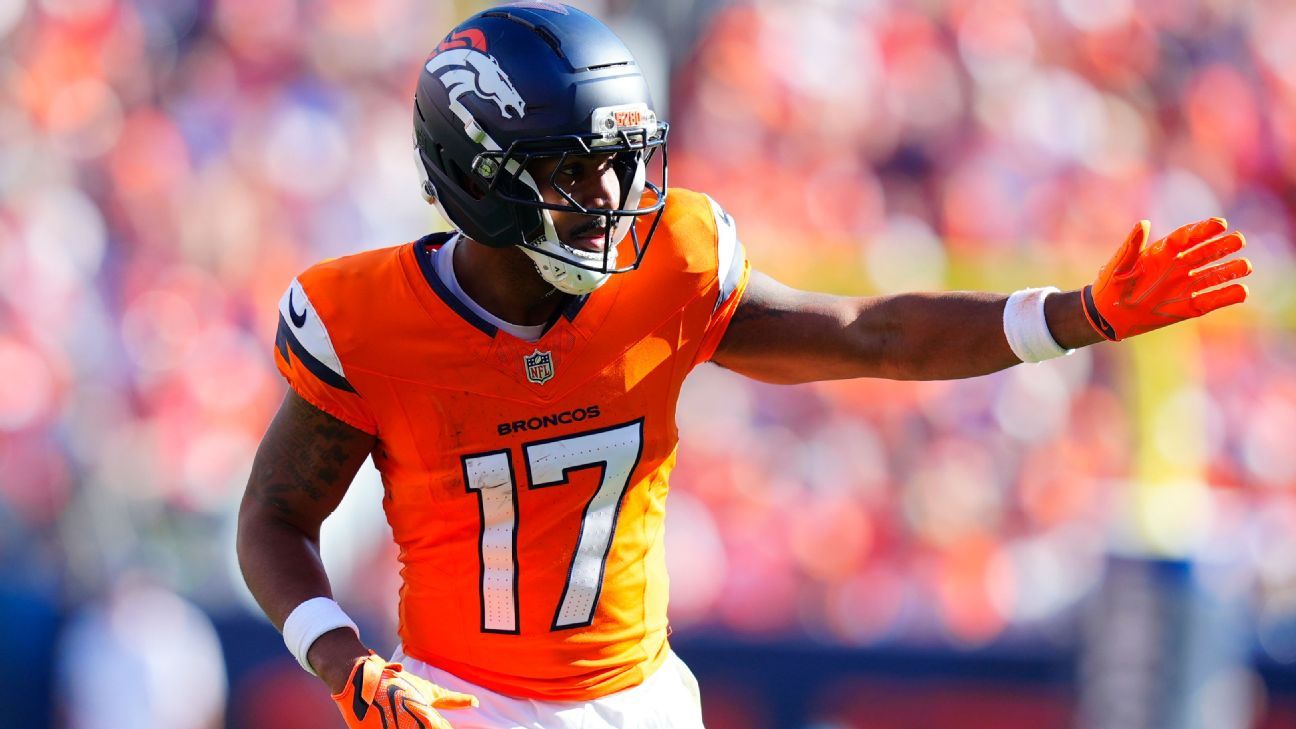
The Denver Broncos' first win of 2026 hinged on two offensive acquisitions whose Week 1 showing had been borderline anonymous. Jaylen Waddle, acquired from Miami in March for three draft picks including a first-rounder, caught eight passes for 138 yards in Sunday's 20-13 victory over Jacksonville—the most receiving yards by any Bronco in a single game since Jerry Jeudy's 154-yard outing in the 2022 season finale. It was also Waddle's home debut, and his 138-yard total marked the highest output by a Denver receiver in his first home game since Rick Upchurch's 153 yards back in 1975. The contrast to his Week 1 showing—one catch, two yards against Kansas City on Monday night—could not be starker.
What matters here is not the single-game spike but the circumstantial setup that enabled it. Waddle faced a Jacksonville secondary that generated no meaningful pass rush, allowing Denver's quarterbacks clean pockets and time to develop vertical and intermediate routes. More critically, Sean Payton's offense situated Waddle in positions where he could create after the catch, an area where the 27-year-old has consistently separated himself from the league's mid-tier receivers. One 49-yard grab in the second quarter, then a 29-yard clutch reception on Denver's final possession, both showcased the explosive skill set Payton specifically engineered the trade to access. The coach was explicit post-game: the impact transcends the box score because it's about explosiveness and threat-level that changes defensive assignments.
The Week 1 volatility—one catch against Kansas City's aggressive coverage schemes—now reads differently in context. Kansas City brought pressure that compressed Denver's timing windows. Jacksonville did not. Against defenses that lack either the secondary talent or pass-rush pressure to manufacture tight windows, Waddle's receiving-yards floor rises materially. The Broncos' remaining schedule includes several such matchups. Against coverage-heavy or blitz-light opponents, Waddle's expected receiving output should trend toward the 120+ range; against pressure-heavy schemes like Kansas City's, expect regression to the 40-60 yard range depending on volume.
For prop purposes, the market has likely still anchored Waddle's receiving-yards line to his 2-yard Week 1 debut. The sharp adjustment occurs when comparing his usage share (target percentage within Denver's pass-game structure) to his historical Miami production. He averaged 6.8 targets per game last season despite playing for a Miami offense that relied heavily on Tua Tagovailoa's screen game and underneath passing. Sunday's eight-target night suggests Payton is deploying him more aggressively downfield—a structural change, not a variance fluctuation. If the line is set in the 75-85 yard range based on his first two games, it underweights his actual role in this offense. His receiving yards line should lean over when he faces non-elite pass-rush defenses over the next 3-4 weeks.
Rookie Jonah Coleman's role in the ground game—the other newcomer who helped close out Jacksonville—carries similar weight in context. Coleman was asked to execute during high-leverage situations, a signal of coaching trust and likely increased snap count in future clinch scenarios. This is the kind of usage pattern that precedes elevated rushing-yards volume in the weeks ahead, particularly in games where Denver holds leads.