NBA · transaction
Jokic's Extension Holdout Signals Structural Urgency for Denver's Championship Window
When the NBA's best player delays a $200M contract negotiation, the Nuggets face a ticking clock that could force their hand on roster construction sooner than planned.
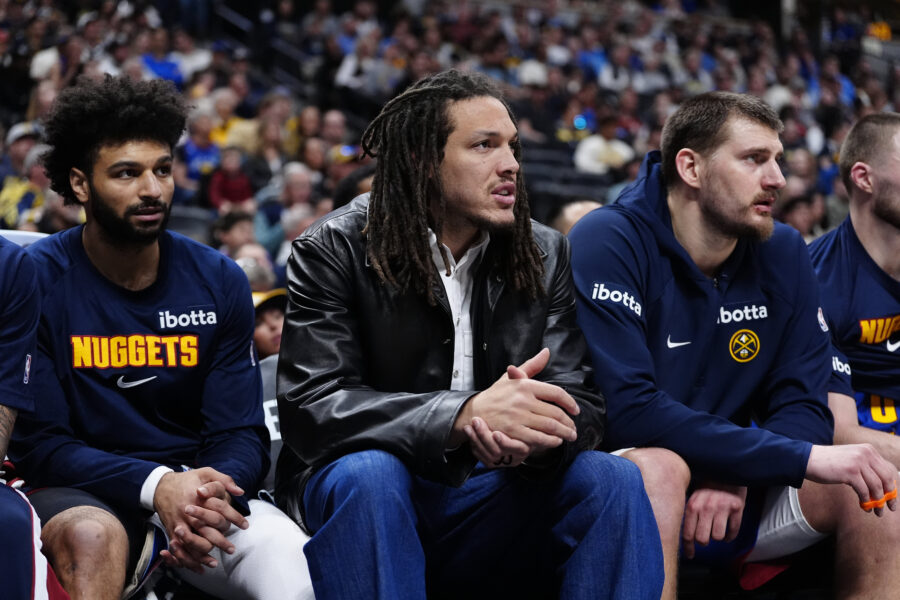
Nikola Jokic has become eligible for a supermax extension since the 2026 Finals concluded, yet reports suggest he will not sign with Denver until next summer at the earliest. The two-time MVP remains publicly committed to the organization—he has stated his desire to remain a Nugget for life—but the delay itself is the message. Contract holdouts from franchise cornerstones rarely signal comfort with the current trajectory.
The mechanics of extension timing reveal the leverage at play. Jokic will enter the 2026-27 season on his existing deal with one year remaining after that season expires. By declining to extend now, he preserves optionality while creating organizational pressure. Denver cannot afford a franchise player to reach free agency; the cap math becomes untenable, and any competitive window slams shut. General Manager Calvin Booth faces a binary choice: either convince Jokic to extend on terms that work in late 2026 or mid-2027, or accelerate trades to consolidate roster assets before Jokic ages out of his prime window. Delaying extension talks is not passive—it's a tool to force urgency.
The betting implication hinges on roster volatility over the next 18 months. If Jokic delays until 2027, Denver will likely make aggressive midseason moves this year or next to demonstrate commitment to competing. That could manifest as high-usage nights when the team experiments with lineups, or conversely, load-management stretches if the Nuggets determine a rebuild is preferable to a last-stand roster. Jokic's assist and scoring props become harder to model when the supporting cast is in flux. Games against teams Denver might be targeting in trades—or facing forced into a compressed timeline—could see unusual pace and spacing that benefits or drags on his efficiency.
The prop-market pricing on Jokic's team-total wins and his own seasonal scoring average assumes roster stability. If extension negotiations crater into the 2026-27 season and Booth makes panic moves, the Nuggets' game-level consistency declines. Jokic will produce, but the efficiency—assists especially—becomes volatile. A holdout doesn't change his talent; it changes the ecosystem around him. Smart books will price Jokic's individual lines as durable, but Denver's team totals and pace-dependent props (his assist line on specific opponents, for example) should trade tighter until clarity emerges on whether an extension is forthcoming by midseason 2027.