NBA
Suns Face Cap Crunch as Bridges Trade Raises Booker Accountability Questions
Phoenix acquired a power forward solution this summer, but the roster math exposes a deeper problem: Devin Booker's supermax and Bradley Beal's lingering dead money may have handcuffed the franchise into a third consecutive year of cap constraint.
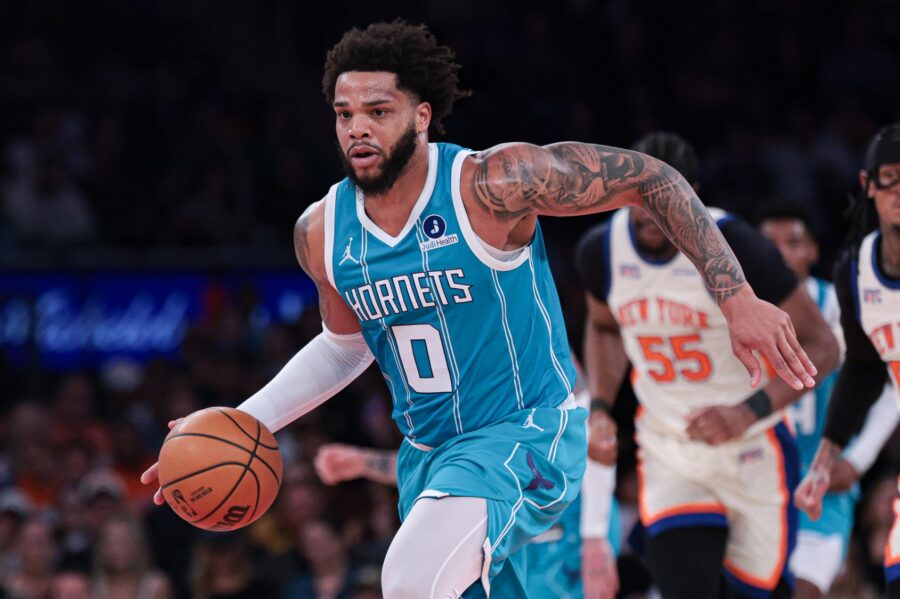
The Suns traded for Miles Bridges earlier this offseason to address a power forward vacancy, giving them a 6'7" wing athlete who can defend and space the floor. On paper, it solves an immediate positional need. The harder question is whether the acquisition masks a structural salary-cap problem that may force Phoenix into uncomfortable roster decisions before the season even tips off.
Booker's supermax contract and Beal's remaining dead-money obligations—a combined burden that stretches into the 2029-30 season—have left the Suns with minimal flexibility to upgrade around their star core. The Bridges trade itself consumed cap room that might otherwise have been deployed for midseason flexibility or rotation depth. Even with the acquisition, Phoenix enters the year with less financial runway than teams in comparable playoff windows, a constraint that typically forces front offices to either trade stars for younger assets or risk roster stagnation.
The real prop-betting angle here tracks whether the Suns' cap crunch manifests as reduced role clarity or increased usage volatility for supporting cast players. Bridges himself becomes a canary: his scoring and rebounding lines will likely fluctuate based on whether he's a starter or a high-minutes bench option depending on how the Suns adjust to fit Booker, Beal, and new additions into the same rotation. If Booker's usage climbs to fill gaps left by incomplete roster construction, his assist rate may actually decline as a percentage of total possessions—his teammates will see fewer touches, narrower windows. Conversely, if the front office pivots and moves Booker before the trade deadline, any props on him become unpredictable noise, making early-season booking on his combo lines (PPR, PRA) a poor risk-reward proposition.
The betting implication is straightforward: fade Suns role players on combo-prop overs until the rotation stabilizes, likely by mid-October. Bench wings and reserve forwards will see erratic minute totals as long as the organization is weighing internal fits against cap constraints. Bridges' first-month scoring and assist lines carry elevated variance; wait for a three-game sample before backing a meaningful trend.
NBA Intelligence — Basketball intelligence beyond the box score. Open NBA Intelligence →