NBA · transaction
Kawhi's Toronto Return Gains Traction as Free Agency Opens; Market May Underprice Raptors Chaos
The Clippers and Raptors have entered serious trade talks for Kawhi Leonard with real momentum, reshaping Toronto's offensive structure and creating early-market mispricings on player usage.
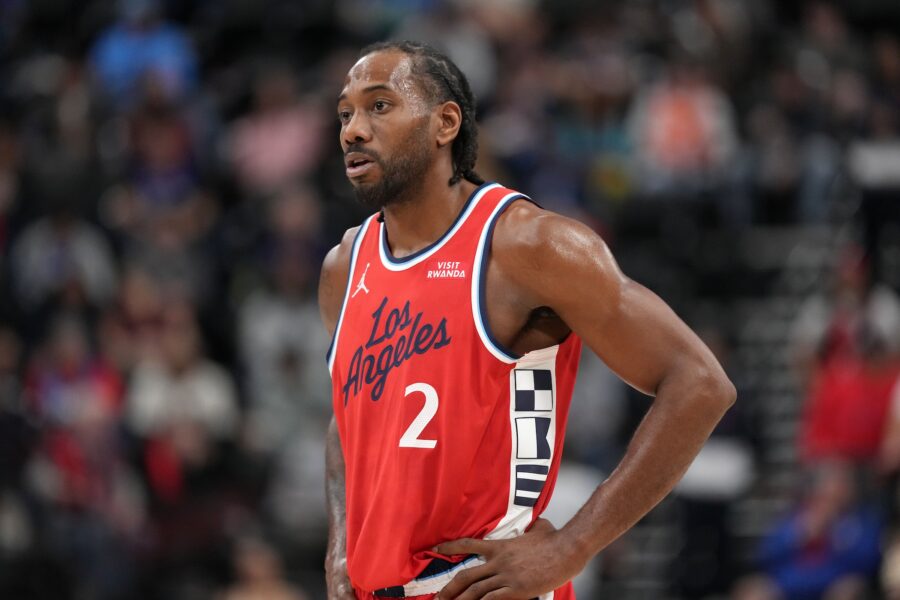
The Raptors and Clippers are in active, serious negotiations to reunite Kawhi Leonard with Toronto, per Marc Stein and Jake Fischer. The two-time Finals MVP would return to the franchise that drafted him and won a championship alongside him in 2019. The talks have moved beyond exploratory—there is, by league standards, genuine momentum—meaning the deal could accelerate in the coming days or weeks as free agency officially opens and rosters solidify around the league.
What matters for Toronto's offensive architecture: Leonard's arrival would fundamentally reshape how the Raptors operate in pick-and-roll and isolation-heavy sets. Leonard is a high-volume isolation player (nearly 25% of his possessions last season) and an elite mid-range operator. His addition doesn't just add scoring—it shifts ball-handling and playmaking load away from whoever Toronto's current primary ball-handler is. If the deal closes, expect usage rates across the Raptors' backcourt to contract, particularly for any guard handling the offense in Leonard's absence. The Raptors have also been actively working to restructure their roster around Sandro Mamukelashvili (expected to receive offers above $10MM annually after declining his minimum option) and Alijah Martin (a restricted free agent prospect from last season's draft). These conversations layer on top of Leonard talks—meaning Toronto is signaling internal confidence that perimeter scoring depth will increase.
The betting angle here is distribution volatility, not direction. If Leonard lands in Toronto, several secondary Raptors scorers—whoever emerges as the second option beside him—will see usage cuts. That player's prop lines (points, assists, three-pointers made) will be inflated relative to Leonard-era reality until the market reprices. The Clippers' posture on not pursuing Jaylen Brown is also instructive: it telegraphs that LA is willing to move Leonard, suggesting the asking price may not be historic-tier. A lower ask means the Raptors retain more depth, which further crowds the scoring distribution. This is a multi-week repricing cycle, not a single-night adjustment. Early sportsbooks will price Raptors lineups assuming current roster composition; that's the window before the trade closes and reality hits the numbers.
For players on the Raptors' current rotation—guards and wings outside the top two options—their individual scoring props will initially appear valuable (lines set too high) until the market absorbs Leonard's gravity. Conversely, if the deal fails to materialize, those same props become traps because the Raptors' actual scoring load will remain distributed, not consolidated. The intelligence advantage belongs to anyone tracking the deal's timing and betting the dislocation between pre-trade pricing and post-trade reality. This is not a directional bet on team wins or losses; it's a market-structure bet on when information propagates.