NBA · transaction
Pistons Float Stewart in Trade Market as Contention Window Demands Upgrades
Detroit's willingness to move a rim-running big signals aggressive retooling around a 60-win core, with major implications for reserve rotation minutes and bench scoring.
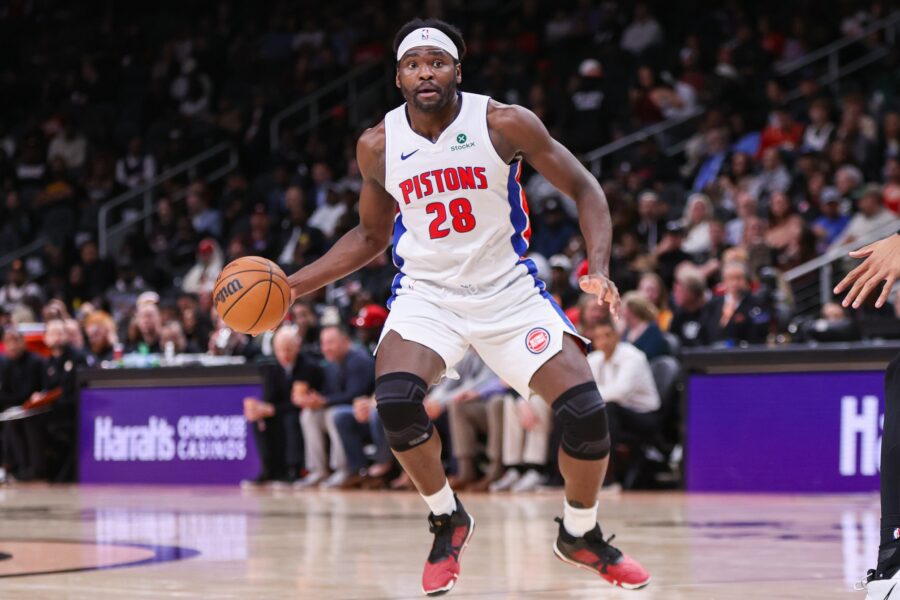
Isaiah Stewart is on the trade block. The Detroit Pistons have made their 25-year-old reserve available in discussions as they pursue shooting and playmaking reinforcements, per league sources. Stewart, a key rotation piece in Detroit's 60-win season, averaged 10.0 points, 5.0 rebounds, and 1.6 blocks across 58 appearances (13 starts) while logging 22.7 minutes per game and holding opponents to 43.8% shooting.
The move reveals the Pistons' calculus: they have a championship-caliber core and a narrow window to add complementary offense. Stewart fills a defensive role capably—rim protection, switchable size, energy plays—but doesn't generate efficient shooting or create for teammates. In a 60-win context where offensive spacing matters acutely in playoff rotations, that limitation becomes visible. Detroit is signaling they're willing to trade depth at center for wings or guards who can generate three-point volume or break down defenses off the dribble.
This isn't a fire-sale distress signal. Stewart's availability reflects organizational priority, not desperation. A team that just won 60 games can afford to be selective. But the market will test his value: a bench-scoring big averaging 10 PPG has limited urgency for contenders unless the cost is minimal or the fit is perfect. Teams balking at his price will make the Pistons less likely to move him; if he draws genuine interest, the asking price tells you how much Detroit values keeping their rotation intact versus upgrading talent.
For prop purposes, Stewart's movement matters specifically to Detroit's bench scoring and minute distribution. If he's traded before the next season, backup center minutes shift dramatically—and with them, the probability pools for reserve scoring and rebound totals. Conversely, if Stewart remains and Detroit adds a shooter or playmaker, his own offensive volume could compress as the offense becomes more guard-centric. Watch the market response over the next 10-14 days. A quick deal suggests Detroit found their upgrade target; radio silence suggests they'll retain Stewart and pursue free-agent or draft-day solutions instead.
The betting implication hinges on lineup construction. If Stewart stays, his 10 PPG floor remains stable but his ceiling for increased usage is capped by the incoming talent. If he moves to a team needing bench scoring (a lottery rebuild or a contender with cap flexibility), his minutes and shot volume could spike. The Pistons' reserve scorer pool—and by extension, their bench total props—is now in flux for the next several weeks.