Pistons Shed Stewart's Contract for Draft Capital, Grizzlies Bet on Defensive Depth
By Justin Erickson ·
Detroit trades a rotation big for three second-round picks, signaling a pivot away from Stewart's skillset and toward future flexibility.
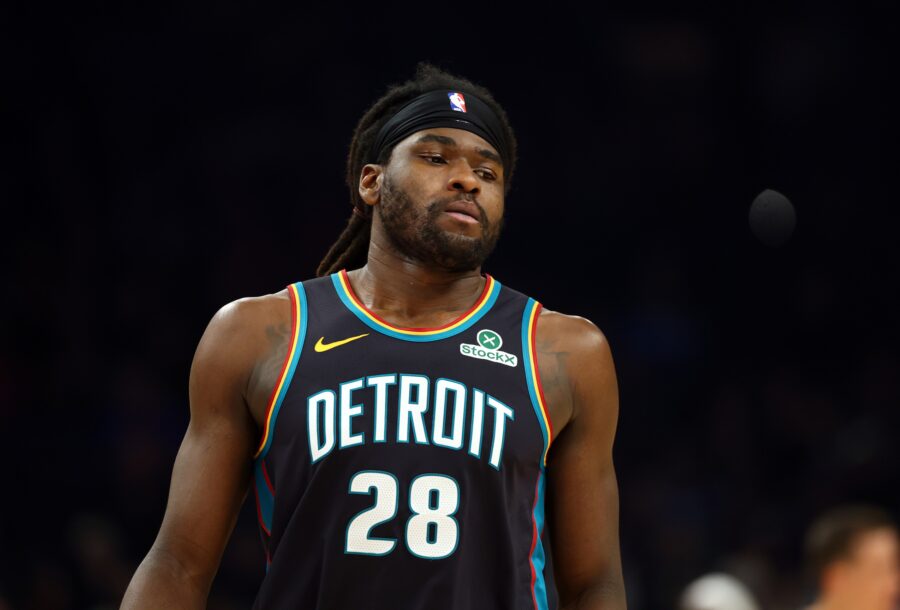
The Pistons and Grizzlies completed a trade Wednesday shipping Isaiah Stewart to Memphis in exchange for three future second-round picks. Stewart, a 24-year-old power forward who averaged 8.2 points and 7.1 rebounds last season, departs Detroit after four years with the franchise. For the Pistons, the move trades a mid-tier contract and rotation contributor for future draft ammunition—a classic salary-shed-for-optionality play ahead of what figures to be a competitive offseason.
Stewart's departure reshapes Detroit's frontcourt geometry. The 6'9" forward logged 22.3 minutes per game last season, primarily in pick-and-roll defense and rebounding assignments against opposing bigs. His departure opens rotation minutes for younger wings and clears approximately $11.3M in committed salary, money the Pistons can redirect toward a free-agent signing or used as matching salary in a larger deal. Memphis, conversely, adds depth to a playoff-caliber roster, acquiring a switchable defender who can provide backup minutes behind Steven Adams without the luxury-tax hit of a major free-agent commitment.
From a roster construction standpoint, this trade reflects divergent timelines. The Grizzlies are in win-now mode and need cheap, durable role players—exactly what Stewart offers. The Pistons, meanwhile, are resetting their asset base after a disappointing season and banking on future draft capital to supplement their core of Cade Cunningham and Jaden Ivey. Three second-rounders, even from a playoff team, carry negligible re-sale value in isolation, but in aggregate they represent optionality: swing-and-miss room on bench development, trade fodder, or eventual replacement-level contributors.
For bettors tracking Pistons roster volatility, this trade signals continued flux in Detroit's rotation. Stewart's departure removes a reliable, if unspectacular, minutes-eater from the frontcourt. Cunningham and Ivey's offensive load figures to remain the primary throughline, but the reduction in complementary rim-running and rebounding support at power forward could depress team rebounding totals marginally. If the Pistons replace Stewart's 7+ rebounds per game with a wing-forward or smaller big, expect their team rebounding to dip toward 43.5–44.5 boards per game—below their recent season average—until a new rotation stabilizes. Monitor Pistons team total rebounds in preseason and early regular-season lines; the inventory shift creates a short-window edge before the market reprices Detroit's glass-cleaning capacity.