NBA · transaction
NBA Probe Into Bucks-Trent Deal Signals Cap-Circumvention Red Flag
Milwaukee's $64 million re-signing of Gary Trent Jr. has triggered league investigation for potential salary-cap manipulation, raising questions about roster construction and production metrics.
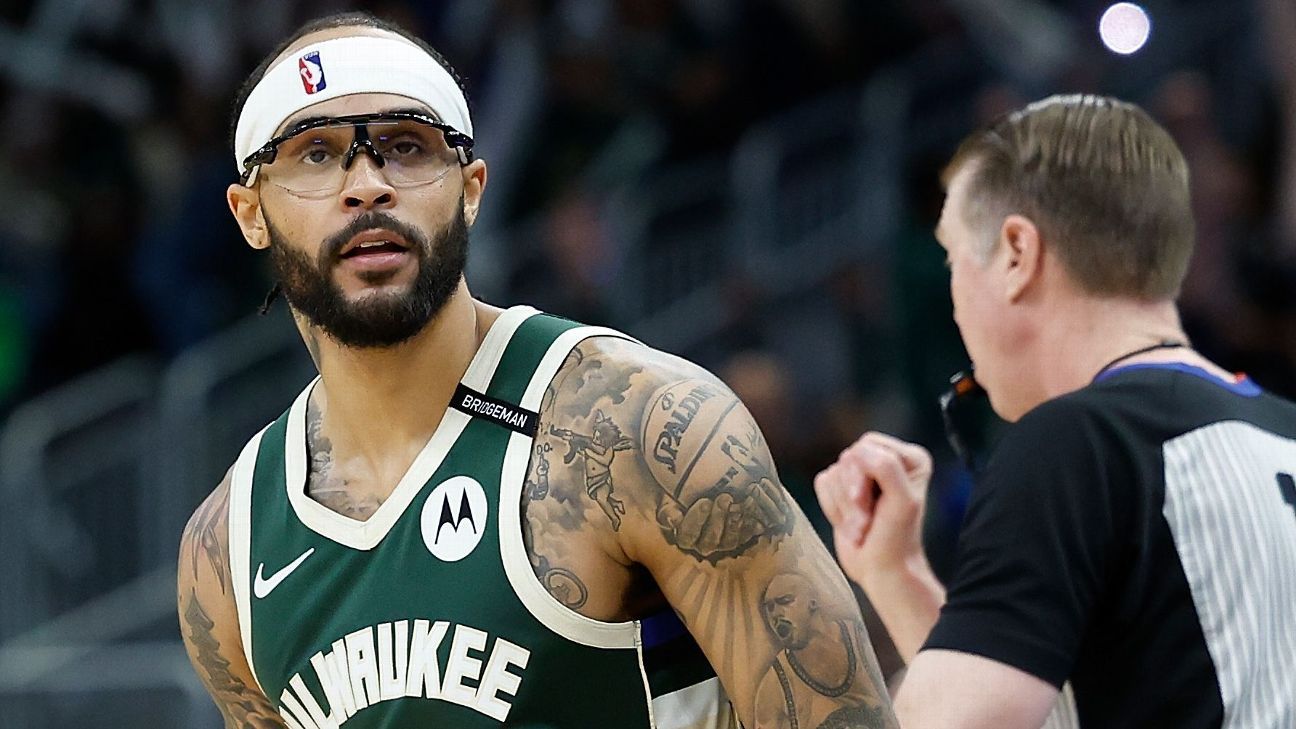
The NBA announced an investigation into the Milwaukee Bucks' four-year, $64 million contract with Gary Trent Jr. on Thursday, citing possible violations of the league's salary-cap circumvention clause. The deal, officially submitted that morning, marks a sharp reversal in Trent's earning trajectory: he earned just $3.7 million last season under a two-year, $7.5 million deal signed before the 2024-25 campaign, then opted out to test free agency—only to re-sign with Milwaukee at $15.2 million annually.
The structural mechanics here warrant scrutiny. Trent produced some of the lowest numbers of his career in 2025-26, averaging 8.1 points on 38.7% shooting—well below the 11.1 PPG on 43% efficiency he posted in his strong 2024-25 rookie season with the Bucks. Multiple league executives had forecast his re-signing months in advance, per ESPN's sourcing, and at least one team expressed interest in a sign-and-trade. The timing and magnitude of the raise—from $3.7 million to $15.2 million, anchored by early Bird rights the Bucks had engineered during his prior contract—fits the circumvention template: a below-market-value performance season followed by a premium payday contingent on rights the team had secured beforehand. The CBA's "prior agreement" clause exists precisely to prevent teams from using restricted contractual leverage to circumvent the cap after establishing negotiating advantages.
Historical precedent cuts both ways. The league voided Minnesota's contract with Joe Smith in 2000 after discovering a written illegal agreement that masked the true economic transaction. No voided deal is certain here—the investigation is ongoing—but the pattern (low-production bridge year + pre-arranged escalation) will invite league scrutiny. Trent's backcourt situation in Milwaukee is already crowded: the Bucks added Tyler Herro via trade and drafted Brayden Burries at No. 10, creating redundancy that compounds the optics of the overweight Trent extension.
For prop bettors, the immediate takeaway is roster volatility. If the NBA voids or restructures this contract, Milwaukee's cap flexibility tightens, forcing potential trade-downs of secondary wings or bench contributors. Trent's own scoring and three-point props become unreliable for the next 30-60 days while the investigation concludes; the Bucks may bench him, trade him, or adjust rotational minutes depending on the league's determination. Avoid committing to Trent volume props until clarity emerges. For Bucks team total props and spread betting, assume Milwaukee's roster depth could shrink if the league finds violation. Any reduction in bench wings or secondary offensive handling tightens the Bucks' margin for error—a subtle but real impact on totals and moneyline pricing once the investigation concludes.
The broader signal: franchises testing cap-circumvention edges through contractual timing will face immediate league pushback. Milwaukee's gambit, transparent as it appears in hindsight, underscores the NBA's willingness to police creative structuring. Market pricing may already bake in some volatility, but the specific mechanism—investigation timeline and potential contract restructuring—remains opaque. Trent's individual props are the first casualty; Bucks roster composition is the second.