NBA
Magic Fire Mosley After Historic Collapse: What a Coaching Change Means for Orlando's Offensive Props in 2026-27
When a franchise blows a 3-1 lead, trades four first-rounders, and still can't score — the coaching change is just the beginning of the uncertainty.
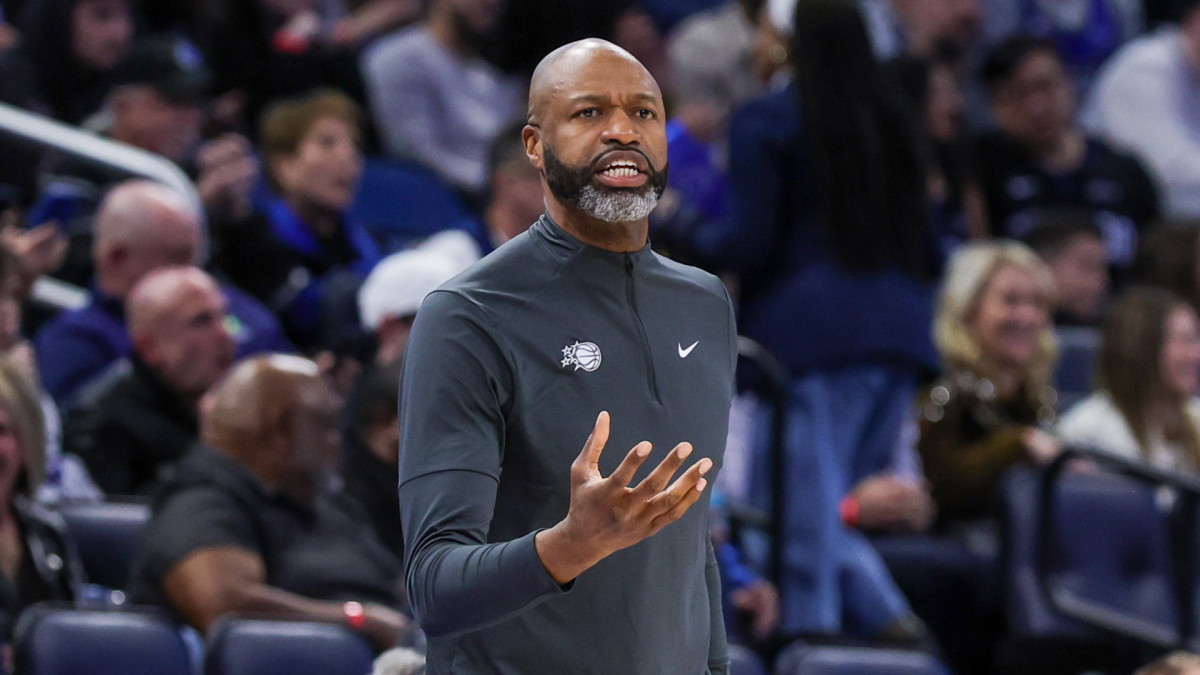
The Orlando Magic parted ways with head coach Jamahl Mosley on Monday, hours after Detroit finished off a stunning Game 7 comeback to eliminate Orlando in the first round. Per the team's announcement, president of basketball operations Jeff Weltman called it a time for "a new voice and fresh perspective" — the kind of carefully worded front-office language that confirms what had been telegraphed all season: Mosley's tenure was living on borrowed time the moment Orlando's offense failed to materialize despite a blockbuster roster overhaul.
The numbers tell the story Mosley couldn't escape. Orlando acquired Desmond Bane last offseason at the cost of four first-round picks, targeting a depleted Eastern Conference with legitimate Finals ambitions. What they got instead was a team that broke a years-long bottom-ten offense streak only marginally, watched their formerly elite defense crater to league average, and couldn't solve the Paolo Banchero–Franz Wagner co-star puzzle. Both players statistically thrived in isolation — Banchero averaging near his usual 22-23 point range when featured as the primary option, Wagner operating most efficiently as a secondary creator — but Mosley's offensive schemes never found a functional rhythm that leveraged both simultaneously. The Bane acquisition, designed to add a proven three-level scorer and floor spacer, instead exposed the absence of connective offensive tissue around Orlando's stars rather than fixing it.
The playoff collapse was the exclamation point. Orlando led the 60-win Pistons three games to one, went up 24 points in a winnable Game 6 at home, and then collapsed without Wagner — who missed the final three games — surrendering that lead and eventually dropping Game 7 without much resistance. A coaching staff that couldn't make adjustments with a four-game sample against a beatable opponent, or design an offense capable of sustaining a 24-point lead for one half, had no runway left. The front office apparently agreed.
For bettors looking ahead to 2026-27, the coaching vacancy is the most important variable on Orlando's board right now — and it cuts directly into how you price Banchero and Wagner individually. Mosley's system consistently suppressed both players' efficiency in shared minutes, which artificially compressed their assist and usage numbers on nights they played together. A new offensive-minded head coach — the profile Orlando will presumably target given the roster's structural needs — could unlock meaningfully higher floor for both stars' points, assists, and PRA lines. Banchero in particular, capable of 25-point, 6-assist nights as a true lead initiator, has been chronically underpriced when the market discounts his upside in an offense perceived as broken. That perception is now subject to change.
The catch is timing and financial reality. Orlando is jammed against the second apron after max extensions for Banchero and Wagner, with Anthony Black's rookie extension looming. Roster flexibility is limited, meaning a new coach inherits largely the same personnel — including an unresolved Bane fit — and will need to generate offensive production through scheme rather than acquisitions. That makes the coaching hire genuinely consequential for every Orlando prop line next season. Until that hire is made and a system is established in preseason, Orlando player props carry elevated uncertainty. Banchero's points and PRA lines will be the most watched — and potentially the most mispriced — of any Eastern Conference player entering next season.