Sean Sweeney to Orlando: Defense-First Culture Reset Arrives in Eastern Conference
By Justin Erickson ·
The Magic hired San Antonio's defensive architect mid-Finals, signaling a philosophical rebuild that could reshape Orlando's playoff ceiling.
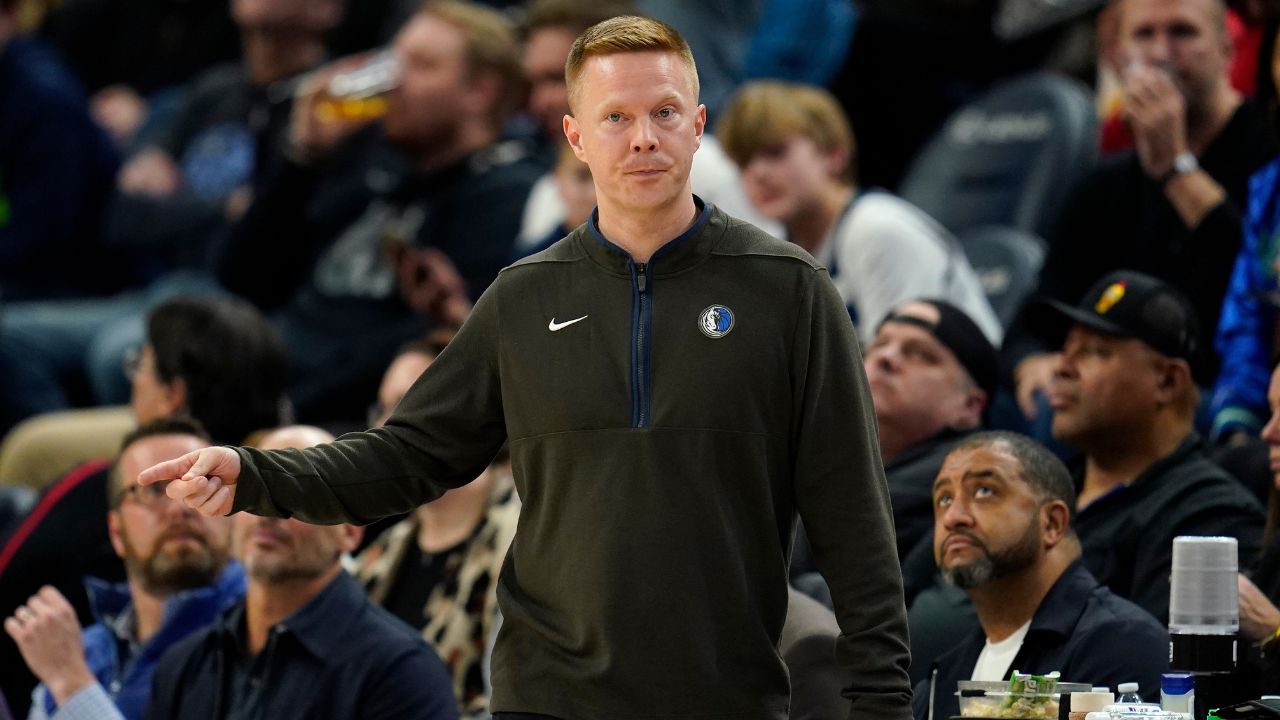
Sean Sweeney was formally named Orlando Magic coach on Monday, though he'll remain on the San Antonio Spurs' bench through the NBA Finals against New York. The 41-year-old replaces Jamahl Mosley after three consecutive first-round exits, bringing a resume built almost entirely on defensive reconstruction. In one season with the Spurs, Sweeney transformed a league-worst defense into a top-5 unit centered on Victor Wembanyama's Defensive Player of the Year campaign—a dramatic swing that Orlando's front office clearly studied before making the hire.
Sweeney's appointment reflects a deliberate strategic choice by Magic President Jeff Weltman. This isn't a lateral basketball hire; it's a statement that Orlando's playoff ceiling has been capped by defensive liability, not offensive creativity. Mosley's regime averaged 3.1 three-pointers per game allowed and allowed 110.4 points per 100 possessions over his final season—numbers that haunt first-round opponents with depth. Sweeney's credential comes from the inverse: he builds schemes that suffocate spacing and force turnovers. His previous four seasons in Dallas positioned him as one of the league's rising defensive minds, and his appointment signals that the Magic believe their core (Paolo Banchero, Jalen Suggs, Franz Wagner) can survive a defensive culture shift that may initially suppress their offensive rhythm.
The timing matters significantly. Sweeney won't take the floor in Orlando until after the Finals conclude, meaning the Magic enter summer with a coaching void during the most critical development window for a young core. This creates a short-term drag on team continuity—Banchero, at 22, thrives in high-usage offensive systems, and Sweeney's intensity could reduce his shot volume in Year 1. However, the structural gain is durable: a defense-first coach in the Eastern Conference, installed on a team with plus-defenders in Wagner and Suggs, represents a permanent shift in how bookmakers should price Orlando's season-long totals and playoff odds. If Sweeney's Spurs system translates even 60% to a younger roster, the Magic's defensive rating improves by 2-3 points per 100 possessions next season—enough to swing three to five additional wins and alter playoff seeding implications.
Prop bettors should monitor Orlando's team total projection and defensive prop lines carefully. The Magic's season win total will likely land in the 44–47 range depending on roster continuity, but unders gain hidden value in the short term (November–December) because Sweeney's implementation curve is steeper than a standard new-coach hire—he's not installing a balanced system, he's installing a defense-first constraint. Banchero's scoring line may compress early (his usage dropping from 28% to 24–26% as defensive principles demand more spacing discipline), while Franz Wagner and defensive role players see increased leverage. The defensive philosophy also creates a runoff effect: teams playing the Magic will face fewer uncontested rebounds and faster transition closeouts, meaning opponent three-point attempts will rise even as makes decline. This signals value in fading opponent player props against Orlando specifically—expect defensive tightness that inflates opponent shot volume without corresponding efficiency gains.