NBA · injury
Veesaar's Season-Ending ACL Tear Eliminates Hawks Center Depth
Atlanta loses a developmental big man to injury before the season tips, forcing the franchise to lean harder on Okongwu and Landale.
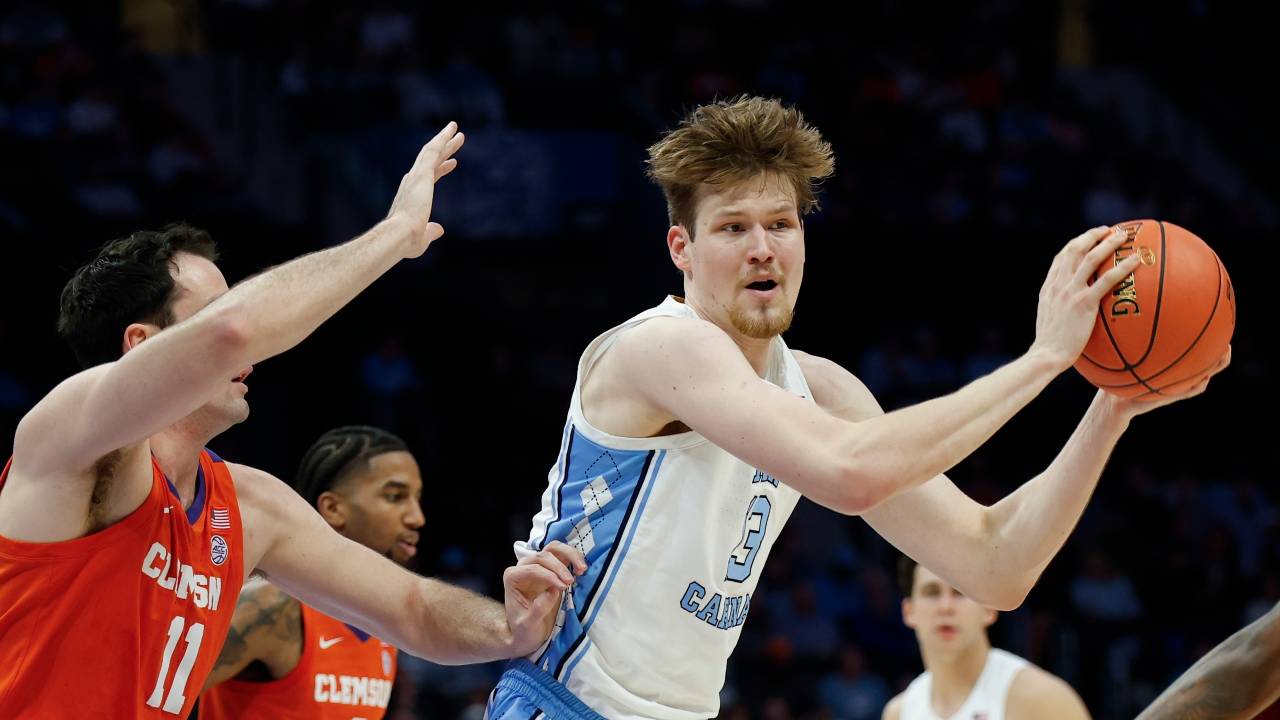
Henri Veesaar's rookie season is over before it began. The Hawks' second-round pick tore his right ACL during a pre-season workout on Monday and will miss the entire 2026-27 campaign, the team announced. The 22-year-old seven-footer from North Carolina was never guaranteed heavy minutes—he would have slotted third on the depth chart behind Onyeka Okongwu and Jock Landale—but his absence still compresses Atlanta's center rotation at a position where injuries have historically forced rapid escalation in usage.
Veesaar averaged 17 points and 8.7 rebounds across 31 college games last season, marking him as a prospect with real floor-spacing and rim-running upside. For a Hawks franchise that finished last season ranked 24th in pace-adjusted offensive efficiency, adding a mobile seven-footer who can roll hard and finish lobs held theoretical value. The injury robs the team of a depth option and, more immediately, forces the organization to manage the health of its two primary centers with no third-wheel insurance.
Okongwu carries injury history—he's dealt with shoulder issues that have limited his availability—and Landale isn't a high-durability profile either. Veesaar's role was never destined to be large, but his absence narrows the Hawks' margin for error. Any minor soft-tissue issue for either starter now creates pressure to either rush a return or play extended minutes on a backup who won't be NBA-ready. This is the kind of depth casualty that doesn't move a line on opening night but compounds over a season's worth of fatigue and forced minutes distribution.
From a betting lens, Hawks center minutes are now locked into a two-man carousel. Okongwu's rebounds, assist rates, and scoring volume will face upward pressure if Landale misses time; conversely, Landale's per-minute efficiency could dip if he's asked to absorb extra backup load on back-to-backs. Monitor how Atlanta's coaching staff manages the workload in the first month—early patterns will signal whether we should lean toward higher or lower production lines for both players depending on injury risk or load management cycles. If Okongwu sees 30+ minutes consistently, his double-double frequency and rebound lines shift notably.