NBA · transaction
Curry Takes $20M Discount to Finish Warriors Dynasty on His Terms
Stephen Curry's two-year, $116 million extension sacrifices max-contract money for late-career security and front-office flexibility—a rare alignment of star leverage and organizational trust.
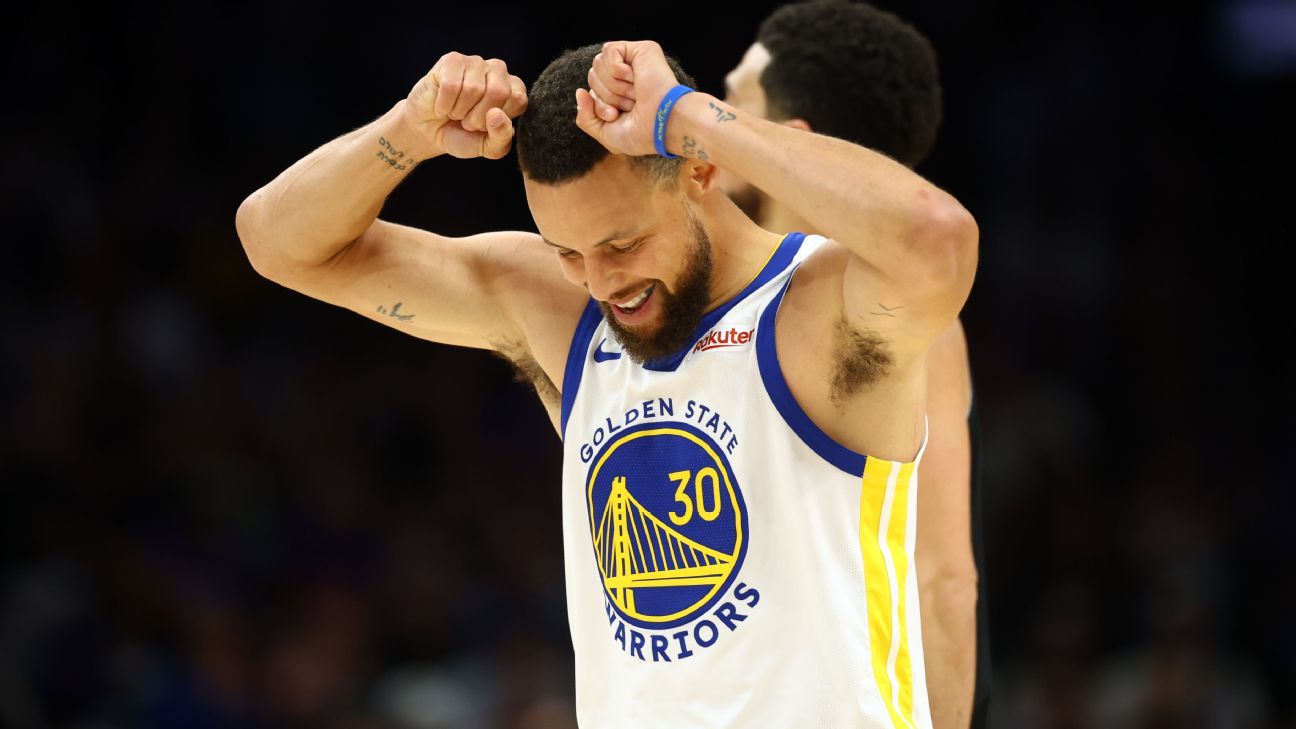
Stephen Curry signed a two-year, $116 million extension with the Golden State Warriors on Friday, choosing financial middle ground over maximum payday in a move that reveals as much about the franchise's trajectory as it does his priorities. The deal came less than a month after Curry became eligible for an extension on August 29, when general manager Mike Dunleavy presented him with multiple paths: max money, a wait-and-see delay, or a structured compromise that would cement his legacy while preserving cap space for the front office. Curry chose the compromise—a calculated decision that speaks to both his confidence in the roster and his understanding of organizational constraints.
The mathematics underscore the restraint. Curry was eligible to sign a two-year extension worth $136.7 million; he accepted $116 million instead, a $20.7 million discount over the life of the deal. But the structure matters more than the headline number. The second year carries a player option, meaning Curry has truly committed to just one year of reduced salary—approximately $10 million below his max entitlement. That cushion gives the Warriors breathing room in their cap architecture without forcing Curry into a long-term sacrifice. "We're all smart people in this room," Curry said, acknowledging the intentional design. "So you can kind of read the tea leaves on why it's designed the way that it is."
Dunleavy's front office has deliberately structured the roster with expiring contracts, creating theoretical cap flexibility for trade-deadline maneuvering or next offseason moves. Curry's $55.7 million commitment for 2027-28 carves into that space, but not fatally—the $10 million gift provides enough maneuvering room for mid-season acquisitions or summer options without gutting the long-term plan. This is not a desperate star taking a hometown discount; it's a franchise star and front office in lockstep about future direction.
For prop bettors, the real signal is operational alignment. Curry's willingness to defer maximum compensation suggests confidence in the Warriors' near-term roster construction and Dunleavy's plan. Teams that lock in their franchise cornerstone at below-market rates rarely telegraph panic or upheaval. Curry enters 2026-27 with guaranteed security and no incentive to manage workload—he's not chasing one last max contract elsewhere, and the organization just proved it's committed to competitive windows around him. That removes a layer of load-management variance that typically dampens star player prop lines. His scoring, assist, and three-point volume should reflect normal usage patterns, not strategic resting or aging-star caution. The market will price Curry's age (38 to 40 during the extension) conservatively; that creates an edge for bettors who believe organizational stability and late-career security correlate to full engagement over the next two seasons.
NBA Intelligence — Basketball intelligence beyond the box score. Open NBA Intelligence →