Giants Lose McDonald to UCL Sprain; Rotation Cascade Reshuffles SF Pitching Economics
By Ty Whitney ·
Trevor McDonald's season-ending elbow injury forces San Francisco into a fire-sale rotation shake-up with immediate implications for playoff odds and bullpen workload.
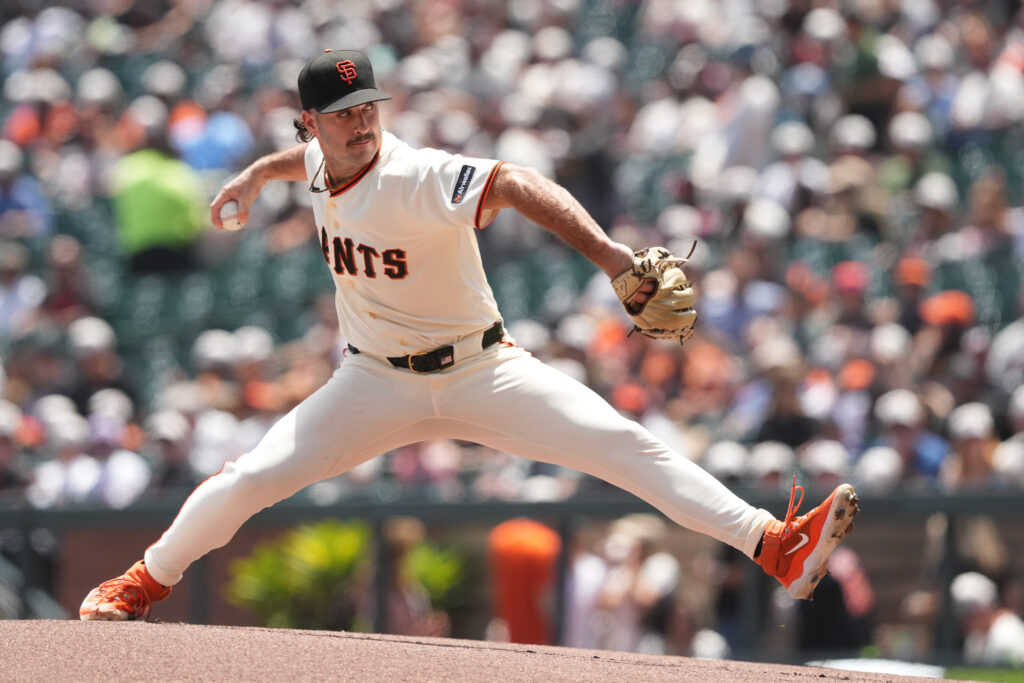
Trevor McDonald's 2026 season is over. The Giants' 25-year-old starter was diagnosed with a moderate UCL sprain on Friday, per manager Tony Vitello, and will seek a second opinion this weekend to map out treatment. Surgery remains possible—and if the ligament damage warrants it, McDonald could miss all of 2027 as well. He's been placed on the 15-day injured list after making 14 starts and pitching 70 1/3 innings since earning a rotation spot in early May.
McDonald's injury arrives at the worst possible moment. The Giants are already dismantling their roster ahead of the deadline, with Luis Arraez, Robbie Ray, Tyler Mahle, and potentially JT Brubaker all headed out within the next 10 days. Losing McDonald—however uneven his performance—removes depth from a rotation that will soon lose two established starters to trades. His 5.12 ERA and 18.4% strikeout rate made him expendable from a talent standpoint, but his innings consumed mattered in a season-long grind. The team now faces a forced audition of lesser-proven arms: Carson Whisenhunt and Blade Tidwell are the likely callups to fill the gap McDonald leaves behind.
What's also accelerating is the Giants' bullpen timeline. With McDonald, Harrison Bader (plantar fasciitis since late May), and reliever Matt Gage all candidates for 60-day moves, San Francisco has immediate 40-man roster flexibility—and the cap space to chase waiver claims after the trade deadline. But that same flexibility masks a deeper problem: Ray and Mahle departing means the rotation's remaining innings will fall disproportionately on Logan Webb and whatever prospects are rushed into the fold. Bullpen usage patterns will spike. Teams that lean on young, high-velocity relievers early in games tend to post elevated bullpen strikeout totals and steeper walk rates as fatigue accumulates.
For prop purposes, the Giants' pitching profile shifts immediately. Webb's per-start workload will increase; expect him to pitch deeper into games now that the rotation's depth has evaporated. Incoming starters Whisenhunt and Tidwell carry higher variance—both are reclamation projects with inconsistent track records. If either enters the rotation as a legitimate starter rather than a stopgap, their strikeout prop lines will likely open soft given the lack of major-league sample and the innings-per-start uncertainty. The bullpen arms tasked with cleaning up after a thinner rotation will see elevated leverage situations, making their individual appearance-to-strikeout ratios a hedge play for teams betting against Giants starter overs; as starters accumulate early trouble and exit sooner, relievers absorb more high-K innings in lower-leverage spots.
The market will price the Giants' rotation uncertainty into team totals and first-5-inning unders for the next two weeks. But that repricing may overcorrect. If Whisenhunt or Tidwell show competence in their debuts, they'll beat soft early-game strikeout expectations. The real edge lies in waiting for clarity—post-deadline, once Ray and Mahle are gone and the replacement arms have thrown 15+ innings. Single-game strikeout props on incoming starters before that sample accumulates are trap bets; the line will have inflated them to compensate for unknown variance, and the house doesn't need to guess. Fade those early spikes and wait for the market to calibrate on actual performance.